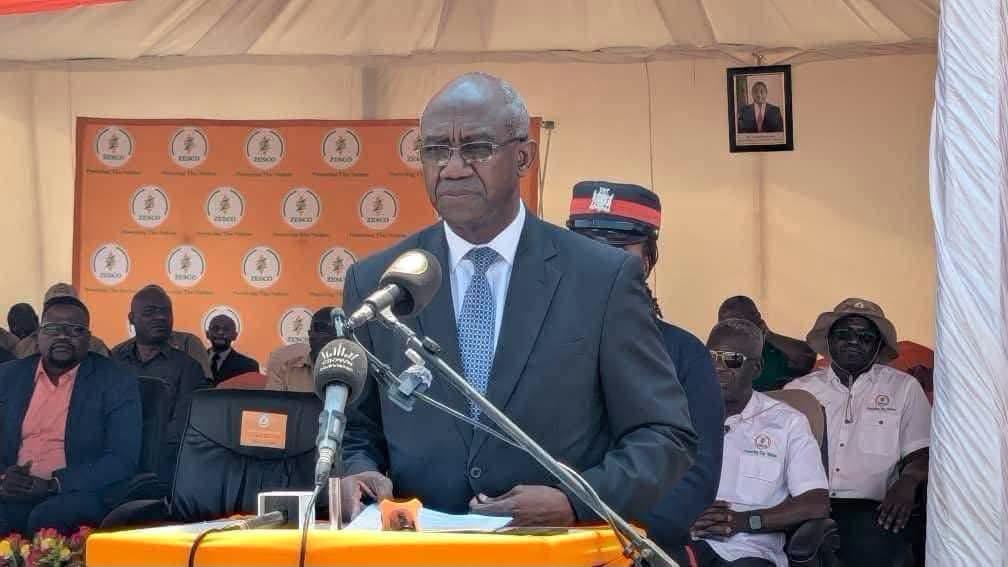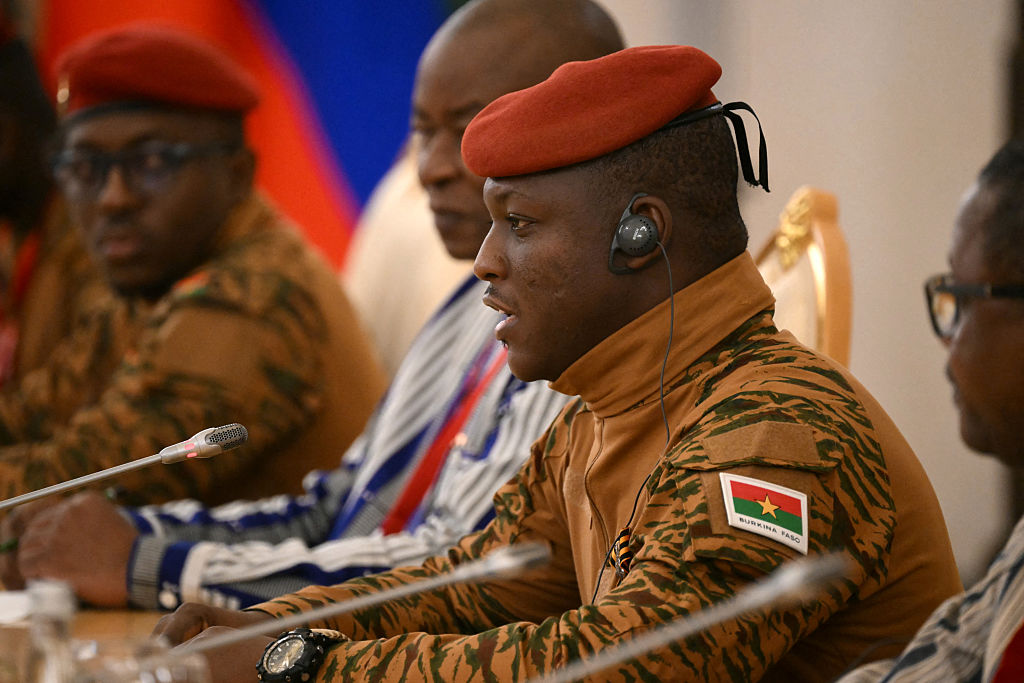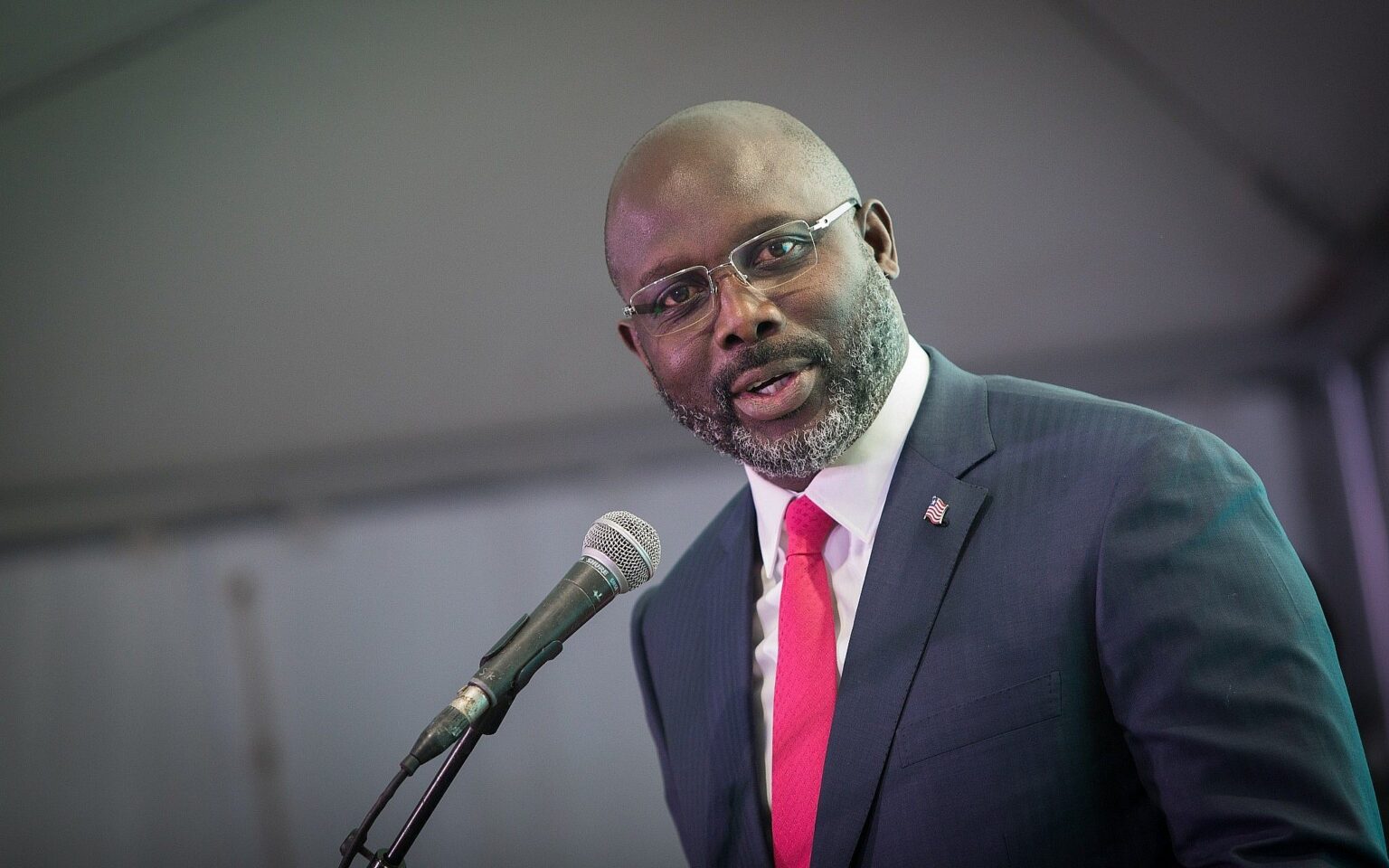

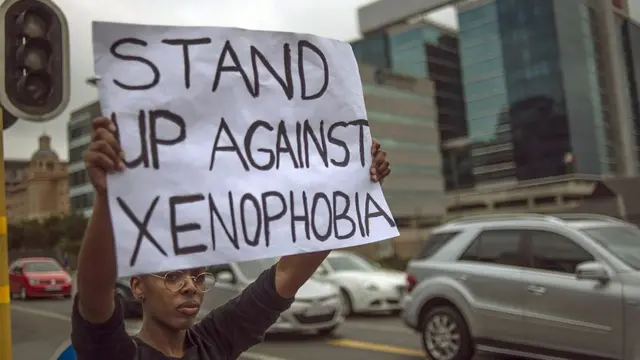
President Bola Tinubu, represented by Vice President Kashim Shettima at the 69th ECOWAS summit in Freetown, Sierra Leone, declared that South Africa should be reminded that the freedom it currently enjoys is the result of the sacrifices and liberation efforts of African countries, including Nigeria.
"Nigeria condemns, in the strongest terms, the recent attacks on its citizens and other Africans in the Republic of South Africa. South Africa should be reminded that the freedom it currently enjoys is the result of the sacrifices and liberation efforts of African countries, including Nigeria," the Vice President said.
The Federal Government has already evacuated 1,490 stranded Nigerians across seven batches, with Foreign Minister Bianca Odumegwu-Ojukwu hinting at potential diplomatic and economic retaliatory measures if South Africa fails to guarantee the safety of foreign workers.

Coordinated West African Response
The diplomatic offensive has taken on a coordinated West African character, with Ghana joining Nigeria in condemning the violence. Ghana's Foreign Minister Samuel Okudzeto Ablakwa has filed a formal complaint against South Africa at the African Union, arguing that the violence contravenes the African Charter on Human and Peoples' Rights.
"In our petition, we are demanding, first, a discussion of the matter. The South African government should explain to us why this keeps recurring and they don't seem to have the political will to deal with this decisively. Nobody is sanctioned," Ablakwa said in an interview with Joy FM.
The two countries have called for "Africanophobia" to be discussed at the next African Union summit in early 2027, seeking a continental framework to address the recurring violence.
Scale of the Crisis
The scale of the exodus has been staggering. According to estimates, at least 15,000 foreign nationals have left South Africa in recent weeks. The repatriations have been coordinated through government-organized flights, buses, and voluntary repatriation programmes, with Malawi, Zimbabwe, and Nigeria carrying out the largest operations.
Nigeria's evacuation operation has proceeded in multiple phases:
- 258 Nigerians returned on June 11 in the first evacuation flight
- 66 Nigerians returned on June 24 aboard a South African Airways flight arranged by a Nigerian benefactor
- 269 Nigerians returned on June 30
- More flights have followed, bringing the total to 1,490 as of mid-July
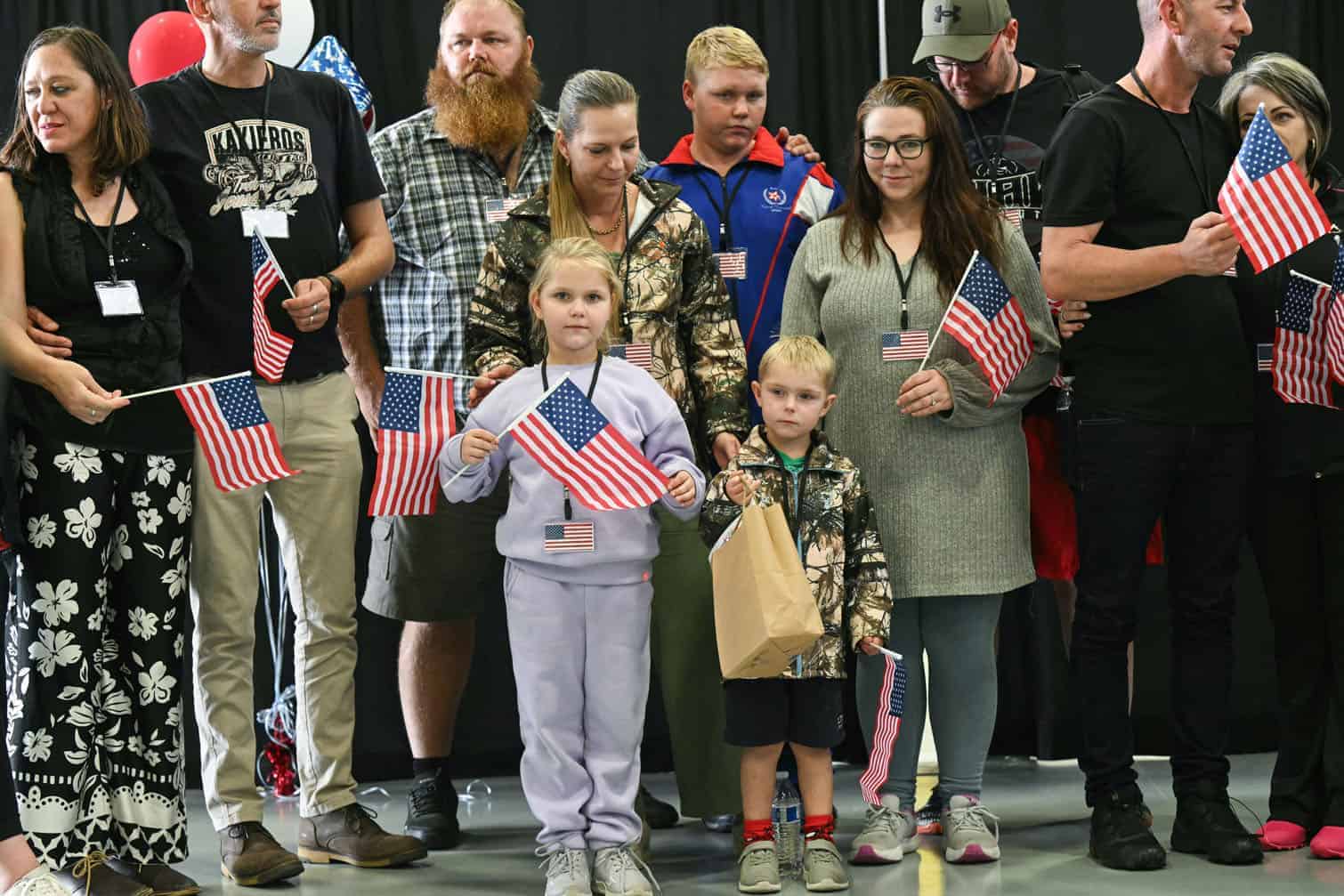
The Nigerian government has fully funded the evacuation, with no cost to the returnees. Upon arrival, evacuees undergo documentation, profiling, and medical screening before receiving temporary accommodation and assistance ahead of reunification with their families.
The Trigger for Violence
The attacks began after fringe South African groups ramped up demands for undocumented migrants to leave by June 30, sparking violent protests and clashes that killed at least four foreign nationals. South Africa has experienced recurring outbreaks of anti-immigrant violence over the years, with foreign-owned businesses often targeted.
The departures began after fringe South African groups ramped up demands for undocumented migrants to leave by June 30, sparking violent protests and clashes that killed at least four foreign nationals.
South Africa, long a destination for documented and undocumented African workers due to its relatively advanced economy, continues to grapple with high unemployment, which remains above 30 percent. This has fuelled periodic tensions over jobs, public services, and immigration.
Ghana's Role and Broader Regional Concerns
Ghana has been particularly vocal, with authorities repatriating hundreds of its nationals in what they described as the first phase of a broader operation expected to assist up to 800 citizens. Accra has argued that the violence contravenes the African Charter on Human and Peoples' Rights and has demanded that South Africa explain why such incidents keep recurring without decisive action.
The Ghanaian government argues that the violence contravenes the African Charter on Human and Peoples' Rights and has demanded that South Africa explain why such incidents keep recurring without decisive action.
Ablakwa noted that no one has been sanctioned for the recurring violence, highlighting the lack of accountability that has allowed such incidents to persist.
South Africa's Response
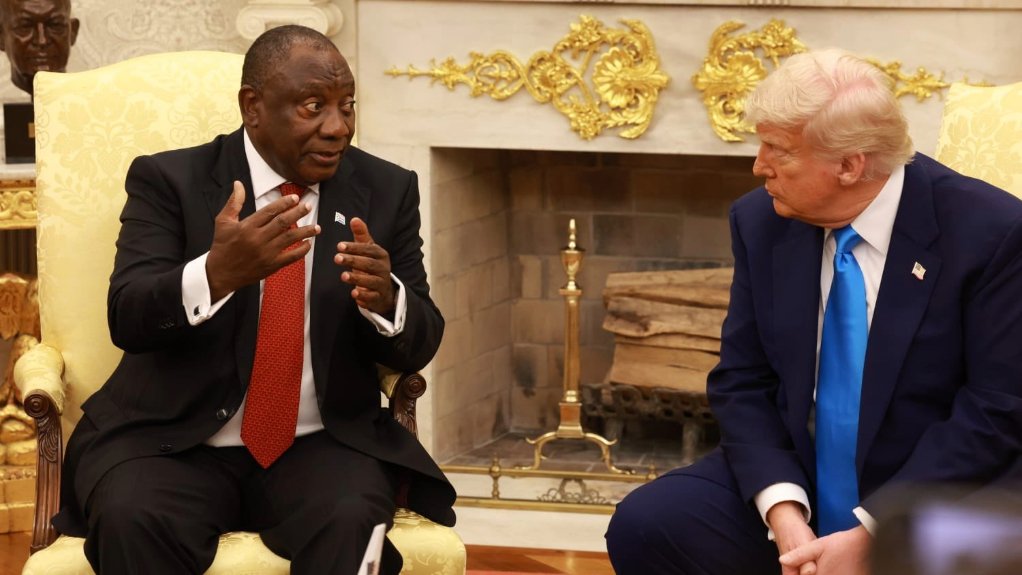
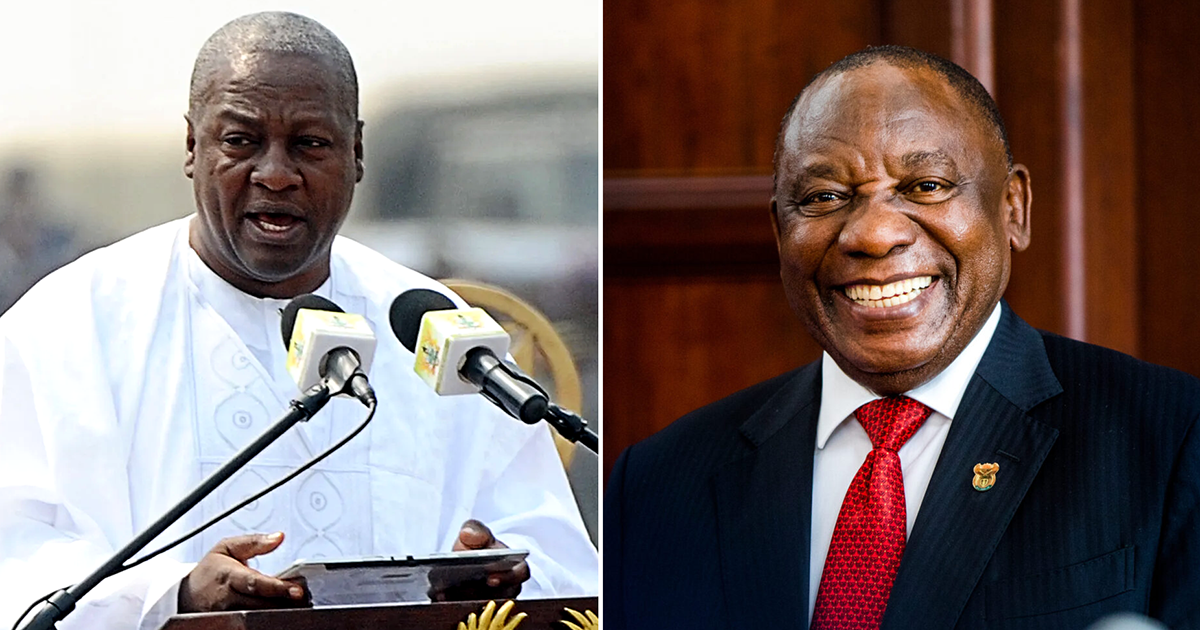
South African President Cyril Ramaphosa has condemned attacks on foreign nationals while pledging to strengthen immigration enforcement and uphold the rule of law. Presidency spokesperson Vincent Magwenya has pushed back against claims that the country is xenophobic, arguing that such accusations unfairly damage the country's image.
Minister Lamola has denied claims that Nigerian nationals were killed in the violence, calling such reports "entirely unsubstantiated by available information." He noted that there is an active police investigation into the deaths of two Mozambican nationals.
"No Nigerian National has been killed during the current waves of attacks in South Africa," Lamola wrote on his official X account. "Second, it is untrue that five Mozambicans were killed. While there is an active South African Police Service investigation into the deaths of two Mozambican nationals, deaths we deeply regret, we trust that this matter will be thoroughly investigated, resulting in clear accountability and justice."
South African authorities have acknowledged challenges linked to undocumented migration and are intensifying enforcement efforts, but the government has urged citizens not to take the law into their own hands and has condemned acts of intimidation and violence against foreign nationals.
However, critics argue that statements of condemnation must be accompanied by "prompt, concrete, and sustained measures to prevent recurrence and ensure accountability," as the African Commission on Human and Peoples' Rights urged in April.
Historical Context
Nigeria's reference to its role in ending apartheid carries significant weight. Nigeria spent billions and provided massive backing to help end Apartheid in South Africa, making the current violence particularly galling for Nigerian officials and citizens.
This is not the first time tensions have flared between the two countries. In 2019, Nigeria repatriated more than 600 citizens after a wave of xenophobic violence. At that time, Nigerian President Muhammadu Buhari sent an envoy to South Africa to "express Nigeria's displeasure over the treatment of her citizens".
What Happens Next
The situation remains fluid. Nigeria's Foreign Minister Bianca Odumegwu-Ojukwu has warned that the figure of registered returnees could increase as concerns over security and livelihoods deepen. She has also hinted at potential diplomatic and economic retaliatory measures if South Africa fails to guarantee the safety of foreign workers.
South African President Cyril Ramaphosa and Mozambican President Daniel Chapo have agreed that migration challenges require a coordinated continental response rather than isolated national measures . However, with Nigeria and Ghana pushing for African Union intervention and potential sanctions, the diplomatic pressure on Pretoria is likely to intensify.
The upcoming African Union summit in early 2027 will be a critical moment, with Nigeria and Ghana leading the charge for a continental discussion on "Africanophobia" and a framework to hold member states accountable for protecting African citizens across borders.