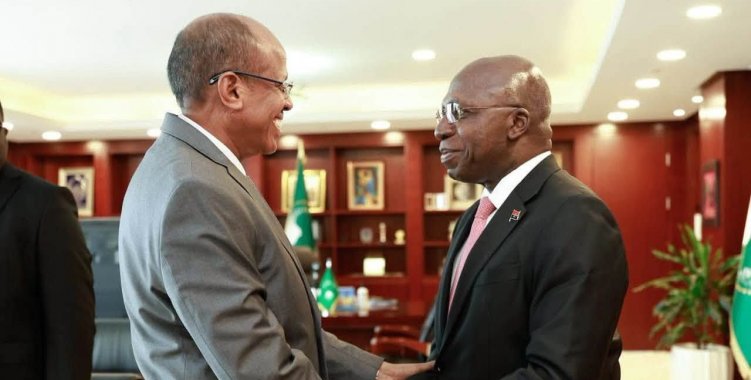

Clayson Monyela, a South African foreign affairs official, confirmed the outcome on X, stating that Pretoria had defeated the attempt to "single out & isolate" the country. "The AU will discuss the migration issue broadly & look at the 'Pull & Push' factors," Monyela wrote, referring to the conditions that drive people to leave their countries and those that draw them elsewhere.
The Diplomatic Clash
Ghana raised the issue during an AU Executive Council meeting of foreign ministers in Addis Ababa, seeking to place xenophobic violence in South Africa on the agenda of the October mid-year coordination meeting. The proposal followed weeks of anti-migrant protests in South Africa that have led to more than 176,000 foreign nationals leaving the country.

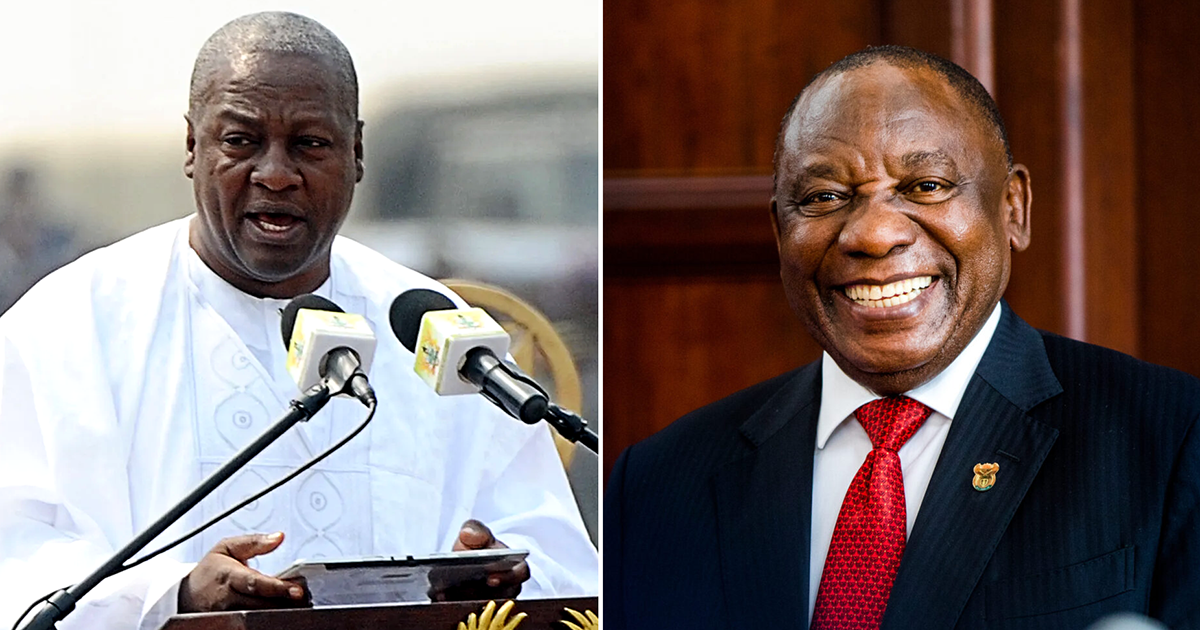
Ghana has been a prominent critic of anti-immigrant protests and xenophobic attacks in South Africa, repatriating hundreds of its citizens ahead of a June 30 deadline set by a South African anti-migrant movement for undocumented foreigners to leave. Ghanaian President John Dramani Mahama had also called on the AU to formally address what he described as escalating anti-immigrant violence, warning that the crisis threatens African solidarity and regional integration.
South Africa's Counter-Argument
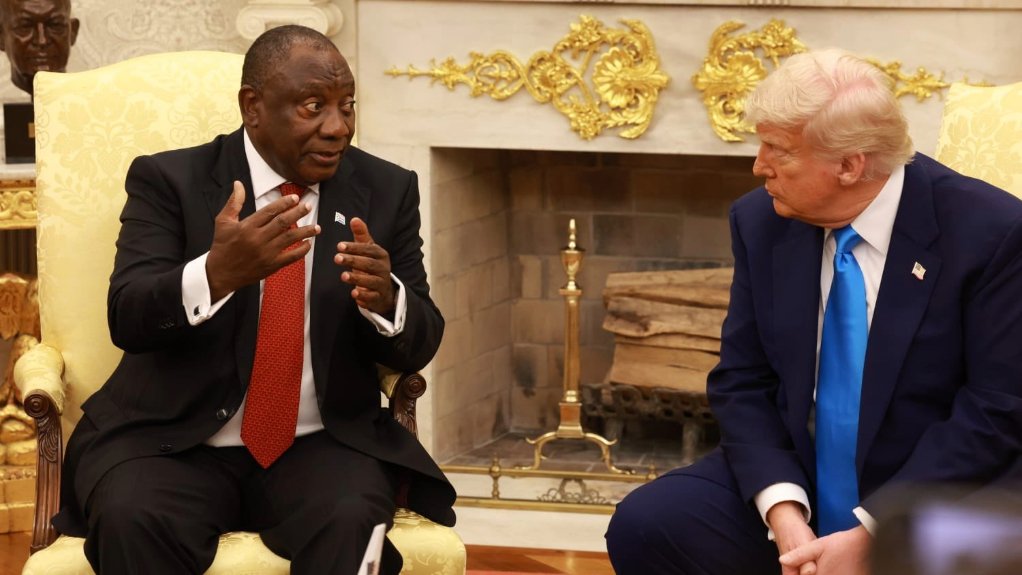
South African Minister of International Relations and Cooperation Ronald Lamola pushed back against the proposal, arguing that rather than singling out South Africa, the AU should hold a broader discussion on continental migration patterns. Lamola clarified that the dialogue should focus on the root causes of migration, including weak economic growth, high unemployment rates, and governance, peace and security issues that drive citizens to leave their countries.
He stressed that limiting the discussion to accusations of South Africa's xenophobia without addressing deeper factors would not contribute to finding sustainable solutions, calling for a comprehensive and constructive approach to tackle migration at the continental level.
What the AU Agreed
The Executive Council ultimately turned down Ghana's proposal, which means South Africa will not be under the spotlight at the mid-year meeting in Alamein, Egypt. The AU will instead discuss migration broadly, examining both the factors driving people to leave their home countries and those attracting them to other nations.
South Africa has pushed for this broader approach since the tensions began, arguing that sending, transit and destination countries must collaborate to find solutions. The foreign ministry confirmed that the Executive Council decided not to include migration on the agenda for the bloc's mid-term review meeting in Egypt in October.
The Broader Context
The diplomatic victory comes after weeks of intensifying debate over migration across the continent. In May, Ghana first requested an AU debate on xenophobic attacks in South Africa, and both Ghana and Nigeria have been among the most vocal African countries condemning the violence.
Nigeria has evacuated 1,490 nationals from South Africa, while Ghana has repatriated at least 926. The scale of the exodus has raised economic concerns, with labour shortages reported in sectors such as agriculture where many farmers rely on foreign workers.
Tensions have also affected diplomatic engagements, with Ghana postponing a planned visit by South African President Cyril Ramaphosa to Accra amid concerns that the unrest would overshadow the meeting.
With reporting from Reuters, AFP, allAfrica.com, GhanaWeb, Daily Maverick and Africa Press Arabic.