


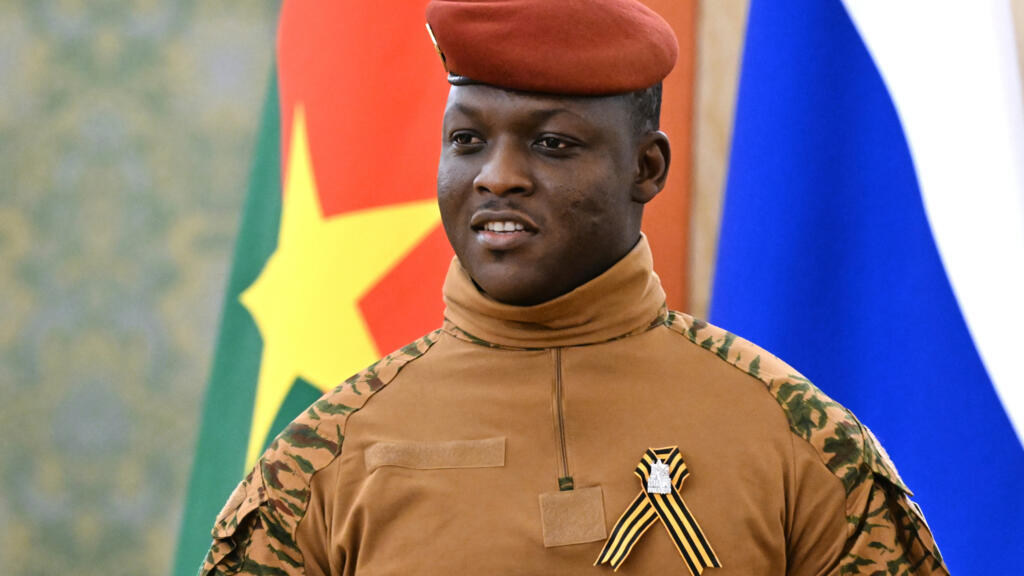
Civicus said authorities have used a restrictive 2025 freedom of association law to suspend or dissolve more than 1,100 civil society organisations, including human rights groups, women's organisations and community development associations. The law requires all NGOs to register with the government and gives authorities broad powers to suspend organisations deemed to be acting against national interests.
The NGO said the junta, which seized power in 2022, has also dissolved political parties, suspended media outlets and curtailed international scrutiny. "Authorities have also targeted student unions, religious leaders, journalists and activists who criticise the government," Civicus said in a statement.

Several journalists have been detained, and media outlets have been suspended for reporting on the security situation or criticising the government's handling of the insurgency. In July, authorities suspended the broadcast licence of a private radio station for allegedly spreading "false information" about the security situation in the country.
The crackdown has also targeted international organisations. In May, the government ordered the closure of several international NGOs, accusing them of interfering in the country's internal affairs. The move was condemned by the United Nations and human rights groups, who warned that it would further restrict humanitarian access in a country already facing a severe crisis.
Civicus said Burkina Faso now surpasses neighbouring Mali and Niger in the pace and intensity of repression, despite all three countries being under military rule. "The rapid deterioration of civic space in Burkina Faso is deeply concerning," the group said. "The government is using the pretext of security to silence dissent and consolidate its grip on power."
Burkina Faso has been gripped by a devastating insurgency since 2015, with armed groups linked to al-Qaeda and the Islamic State controlling large swathes of territory in the north and east. The military junta, which seized power in a coup in 2022, has made restoring security its top priority, but the violence has continued to escalate.
The government has argued that its actions are necessary to protect national security and prevent the spread of terrorism. It has also accused some civil society organisations of supporting the insurgents, a charge that human rights groups have denied.
With reporting from AFP, Xinhua, Reuters, allAfrica.com, Hiiraan Online, and independent sources.



Comments (0)
No comments yet. Be the first to share your thoughts!