
The DA's legal challenge, filed in the Western Cape High Court, seeks to have the Expropriation Act declared unconstitutional and invalid. The case has been consolidated with two other challenges brought by the Afrikaner lobby group AfriForum and the Institute for Race Relations.
Proceedings are scheduled to run through the end of the week, but it remains unclear how long judges will take to deliver a ruling, which could take weeks or months.

The Expropriation Act: What It Does
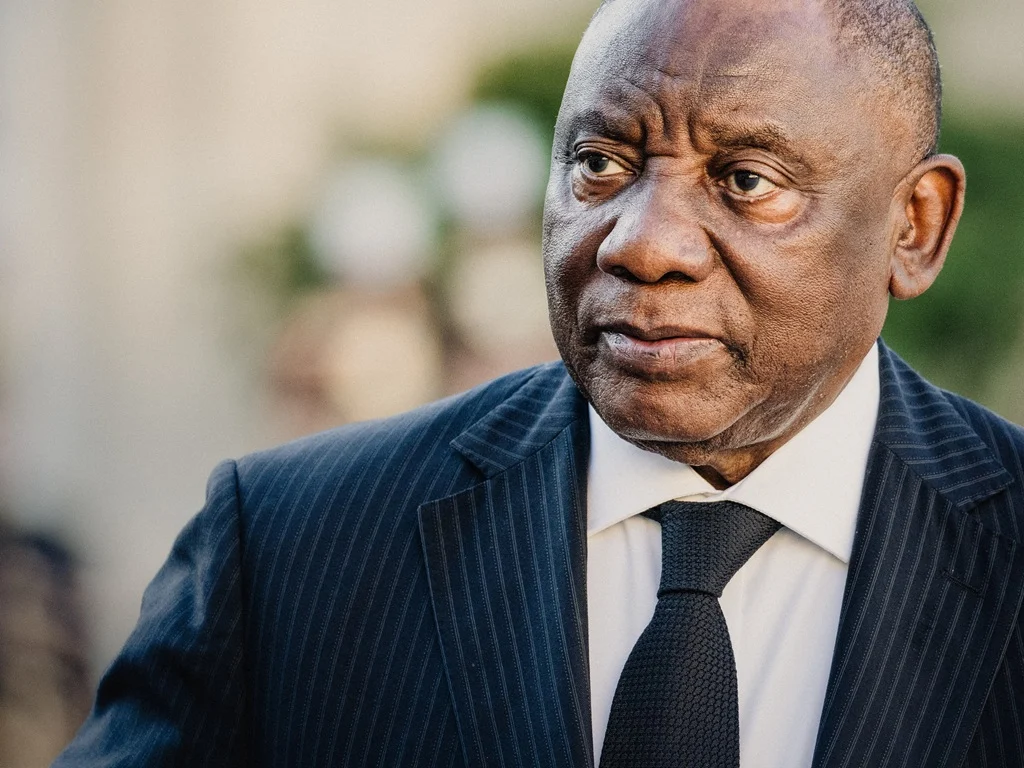
The Expropriation Act was signed into law by President Cyril Ramaphosa in January 2025 as part of the government's efforts to address the effects of land dispossession and economic inequality through decades of white minority rule in South Africa that ended in 1994.
The law allows the state to expropriate land in the public interest, in some cases without compensating the owner, if negotiations for a reasonable settlement have failed. The government says the law does not allow land to be taken arbitrarily and will be aimed at making unused land productive. No land has been seized to date.
The DA's Case: Two Central Arguments
Speaking outside the court before proceedings began, DA Federal Council Chairperson Ashor Sarupen said the party's case rests on two central arguments: that parts of the Act are irrational and it was not validly adopted by the National Council of Provinces.
Circularity in the Law
The DA argues that sections 19(2) and 19(3) of the act create what Sarupen described as an "irresolvable circularity." The legislation requires a notice of expropriation to include compensation already determined by a court, while simultaneously stating court proceedings to determine that compensation can only begin after the notice of expropriation has been issued.
"It can't be both ways," Sarupen said. "Parliament did not fix the fundamental defects in the bill, which are fatal to its constitutionality."
Procedural Irregularities
The DA also argues that the National Council of Provinces failed to properly consider the bill before it was passed. The party contends that the NCOP, which represents provincial governments and is meant to ensure provincial interests are considered, did not adequately debate the legislation before approving it.
The Government's Defense
The African National Congress, the senior partner in the Government of National Unity, has defended the law as a necessary step to address the country's legacy of land dispossession. The ANC argues that the law is constitutional and that the DA's challenge is an attempt to protect the interests of white farmers.
"The expropriation act is a milestone in our efforts to transform the country's racially unequal economy," an ANC spokesperson said. "The white minority still owns most of the private farmland in South Africa. This legislation is about justice and redress."
The government has also noted that the law includes safeguards, including the requirement that expropriation must be in the public interest and that compensation must be reasonable. The law also provides for judicial review of expropriation decisions.
International Implications
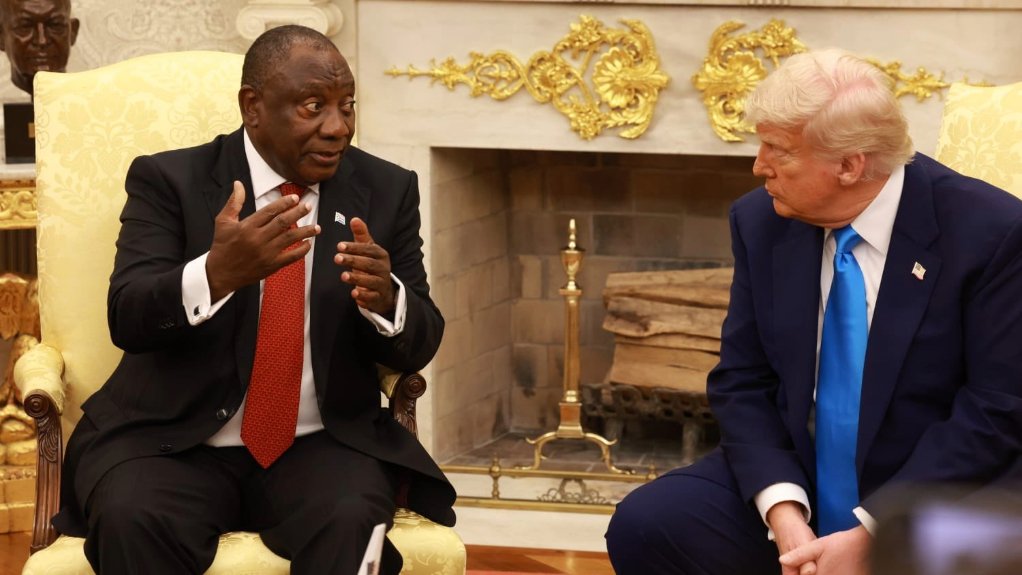
The legal challenge comes amid heightened international scrutiny of the law. Former President Donald Trump cited the Expropriation Act when he cut off aid to South Africa last year, claiming it discriminated against white farmers. The South African government has rejected these claims, saying the law applies to all South Africans equally and is not aimed at any racial group.
The case has also drawn the attention of international investors, who are watching closely to see how the courts rule. Some business groups have expressed concern that the law could deter investment in South Africa's agricultural sector.
With reporting from Reuters, Bloomberg, News24, The Citizen, EWN, DA, and SABC News.