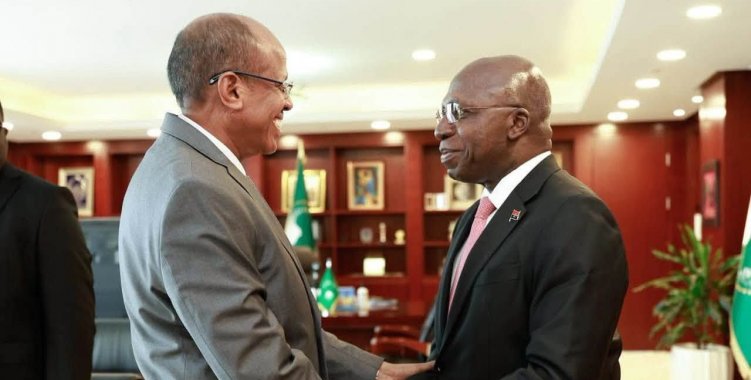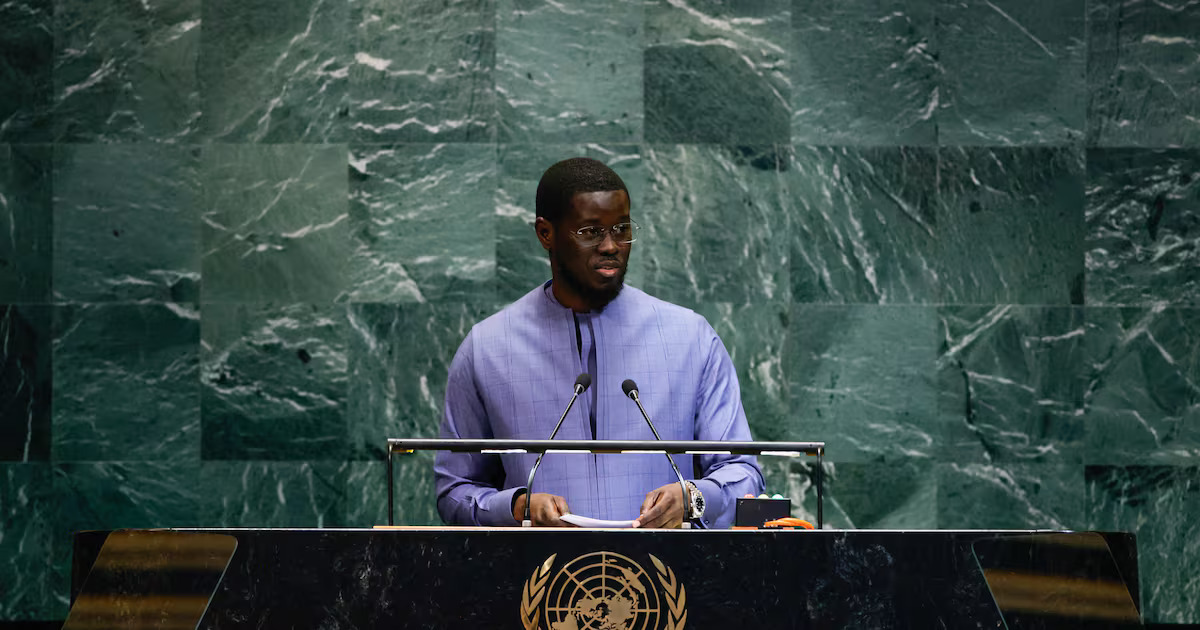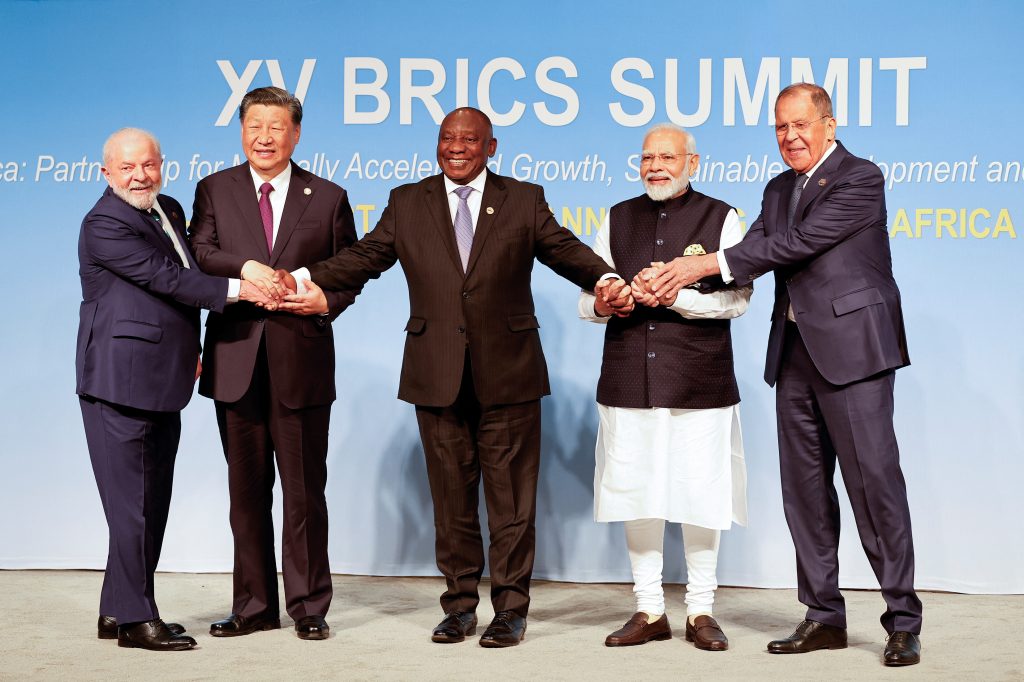

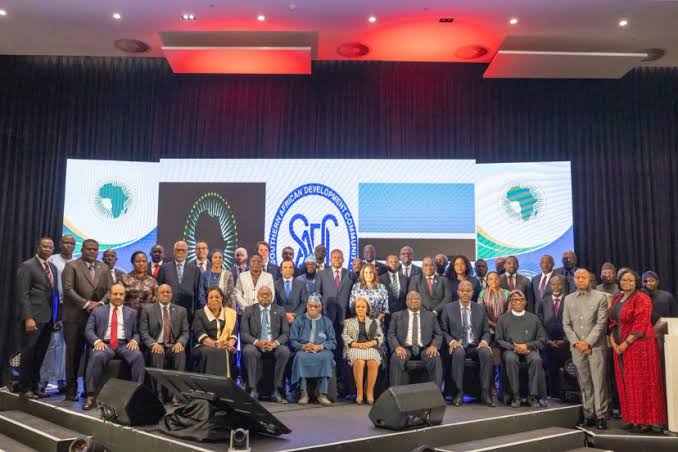
The meeting brought together key actors involved in the AU-led peace mediation framework, including representatives from SADC, the AU Panel of Facilitators, the Independent Joint Secretariat, the East African Community and other regional stakeholders. Discussions focused on strengthening coordination among mediation efforts, improving implementation of existing peace agreements and developing practical measures to advance lasting peace and stability in eastern DRC and the wider Great Lakes Region.
African Leaders Call for Unified Action
The meeting was led by former Nigerian President Olusegun Obasanjo, Chairperson of the AU Panel of Facilitators, who called for stronger cooperation among African regional institutions to accelerate peace initiatives. Obasanjo urged participants to develop practical recommendations aimed at improving the implementation of ongoing peace agreements while reaffirming the importance of African-led solutions to African challenges.

"Time will be going, people will be dying," Obasanjo cautioned delegates, warning that prolonged discussions without action would come at a heavy human cost.
Botswana's Minister of International Relations, Dr Phenyo Butale, highlighted the broader economic stakes for the continent, noting that security in the DRC remains critical to regional integration, cross-border trade, economic development and the achievement of the African Union's Agenda 2063 aspirations. He stressed that international initiatives such as the Washington Agreement and the Doha Process should complement rather than replace African-led mediation efforts.
Worsening Security and Humanitarian Crisis
Professor Kula Ishmael Theletsane, Director of the Organ on Politics, Defence and Security Affairs at the SADC Secretariat, reaffirmed SADC's commitment to supporting efforts aimed at restoring peace and security in eastern DRC. He observed that while progress had been made towards establishing an Africa-led peace framework, persistent security challenges, ceasefire violations, humanitarian concerns and emerging public health issues demanded renewed commitment and stronger coordination among stakeholders.
The urgency of the summit came against the backdrop of deteriorating security in eastern DRC, marked by frequent ceasefire violations, a worsening humanitarian crisis and growing public health concerns, including a major Ebola outbreak that has claimed more than 1,000 lives. The outbreak, caused by the rare Bundibugyo strain of the virus, has a mortality rate of up to 40 percent and has no approved vaccine or treatment.
Strengthening the Peace Architecture
Representing the AU Mediator, H.E. Yackoley Kokou-Johnson warned that the talks came at "a critical stage" as humanitarian conditions worsen, adding that the region expects tangible results. The meeting reviewed the institutional strengthening of the Independent Joint Secretariat, thematic priorities and the development of a six-month strategic roadmap and operational action plan to support the peace process.
The gathering included members of the African-led mediation architecture in eastern DRC, including the AU Mediator, His Excellency Faure Essozimna Gnassingbé, President of Togo, represented by Minister Delegate Yackoley Kokou-Johnson.
Other participants included experienced regional leaders such as former Botswana President Dr Mokgweetsi Eric Keabetswe Masisi, former Ethiopian President Sahle-Work Zewde, former Central African Republic President Catherine Samba-Panza and AU Chairperson of the Panel of the Wise, former Burundi President Domitien Ndayizeye.
Qatar Reaffirms Support for Peace Efforts
Qatar also participated in the coordination meeting, reaffirming its commitment to supporting peace in eastern DRC. HE Dr Ali bin Ghanem Al Hajri, Director of the African Affairs Department at Qatar's Ministry of Foreign Affairs, outlined progress under the Doha track, including the activation of a ceasefire monitoring and verification mechanism and ongoing negotiations on remaining protocols under the Doha framework.
Dr Al Hajri stressed that achieving a durable settlement would require patience, gradual progress and the ownership of all parties involved, while underscoring the AU's central role in leading mediation efforts due to its regional legitimacy and ability to engage neighboring states.
A Renewed Push for Peace
Participants reiterated the commitment of SADC, AU, EAC and other partners to strengthen collaboration in support of the peace process through continued dialogue, coordinated implementation of peace initiatives and engagement with all relevant stakeholders.
The conflict in eastern DRC has persisted for more than three decades, remaining one of Africa's most devastating and enduring crises. Millions of people have lost their lives, countless families have been displaced and the instability has spread across the wider Great Lakes Region, creating serious humanitarian, political and security challenges.
The Gaborone meeting represents an important step toward building a more peaceful, stable and secure future for the Democratic Republic of the Congo and the entire Great Lakes Region, demonstrating Africa's determination to strengthen its leadership in resolving one of the continent's longest-running conflicts.
With reporting from SADC, Channel Africa, Government of Botswana, Efficacy News, Berliner Zeitung, Qatar Ministry of Foreign Affairs and Botswana Youth Magazine.