
A bill may look like a collection of legal words printed on paper, but behind those words is a political story. When a bill enters Parliament, the most important question is not always what the bill says—it is who wants it passed, who wants it stopped, and who stands to benefit or lose if it becomes law.
This is where the politics behind a bill becomes important—For ordinary citizens, legislation can be difficult to understand. It may contain legal terms, clauses and amendments that appear distant from everyday life. But every clause can have consequences for someone's income, business, rights, taxes, employment or access to public services.

Understanding the politics behind legislation therefore means looking beyond the wording of the bill and examining the people, interests and constituencies surrounding it.
Who Introduced the Bill?
The first question is simple: Who brought the bill to Parliament?
A bill may be introduced by a government minister, an individual Member of Parliament or, depending on the parliamentary system, another authorized member.
The sponsor matters because it can reveal the political priorities behind the proposal.
If a government ministry introduces a bill, it may be connected to the administration's policy agenda. If an individual MP introduces a private member's bill, the proposal may reflect a particular constituency, campaign promise or political concern.
But introduction alone does not tell the whole story. A bill can change significantly after being introduced. MPs can propose amendments, committees can examine it, stakeholders can make submissions, and political negotiations can reshape important sections.
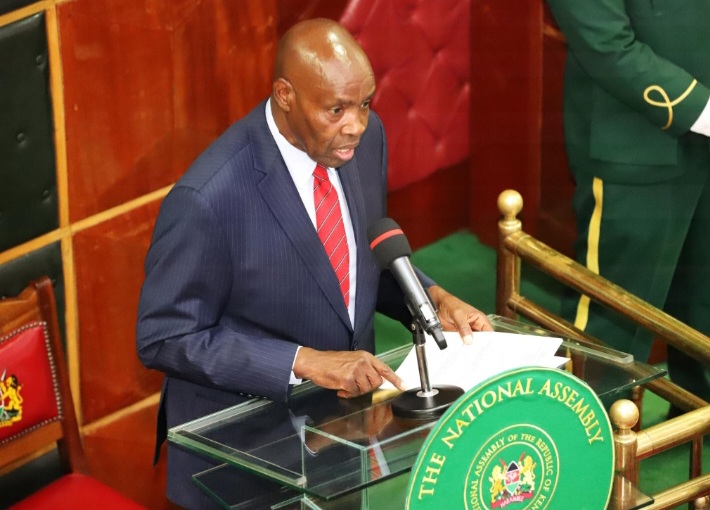
Which MPs Support It?
A bill rarely moves forward because one politician wants it. It needs political support.
That means examining which MPs are publicly supporting the proposal and, where possible, why they support it.
Support may come from members of the governing party, opposition parties, regional political groups or MPs representing constituencies that could benefit from the proposed changes.
But political support does not always mean unconditional support.
An MP may support the general idea of a bill while opposing particular clauses. Another may support it after amendments are made. Others may vote for it because of party policy even when they have reservations.
This is why parliamentary voting records, committee proceedings and statements by MPs can be more revealing than political speeches alone.
The question should be: What exactly are MPs supporting?
And Who Opposes It?
Opposition to a bill can be just as politically important as support.
An MP may oppose legislation because they believe it will hurt their constituents, increase the cost of living, reduce government accountability, affect businesses or give the government powers they consider excessive.
Political parties may also oppose a bill because they disagree with the government's policy direction.
But opposition should not automatically be dismissed as political resistance.
Sometimes MPs who oppose a bill are raising genuine concerns about how the law could affect citizens.
The important task for journalists and citizens is to identify what the disagreement is actually about.
Is the opposition about the principle of the bill?
Is it about a particular clause?
Is it about money?
Or is it simply part of a wider political battle between parties?
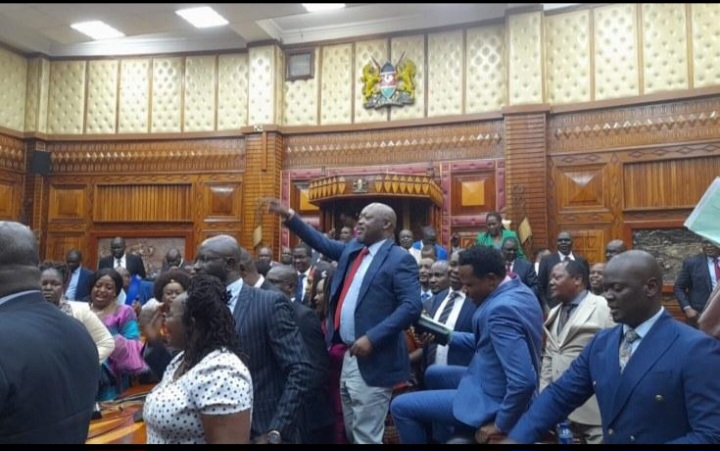
Who Gains If the Bill Becomes Law?
Every major piece of legislation creates winners, losers or groups that experience different effects.
The beneficiaries may be obvious.
For example, a bill dealing with taxation could reduce the burden on one group while increasing it for another. A bill affecting business regulation could make it easier for some companies to operate while creating additional costs for others.
A bill dealing with agriculture could benefit farmers but affect consumers, traders or importers.
A bill on public finance could change how money is distributed between national and local priorities.
This is why the question "Who benefits?" should always be asked.
But there is another question that is equally important: Who pays for those benefits?
The answer may reveal the political choices hidden behind the legal language.
Constituencies Matter
Members of Parliament are elected to represent constituencies.That means legislation is not just a national political issue. It can have very different consequences in different parts of the country.
A bill affecting fishing may be particularly important to coastal communities. Legislation concerning agriculture may matter more directly to farming regions. Changes to urban housing, transport or business regulations may have a stronger effect on cities.
An MP therefore has to consider both the national interest and the interests of the people who elected them.
This can create political tension.
A law that benefits the country as a whole may impose costs on a particular region. Conversely, legislation that strongly benefits one constituency may raise questions about whether the wider national interest is being served.

What Role Do Political Parties Play?
Party politics can strongly influence how MPs approach legislation.
In many parliamentary systems, MPs are expected to follow their party's position on important votes. This can make party support a powerful force in determining whether a bill passes.
However, party politics does not always tell the entire story, where MPs may face pressure from constituents, professional groups, businesses, civil society organizations and other interest groups.
An MP may therefore find themselves balancing several competing demands:
Party loyalty.
Constituency interests.
National interest.
Personal political beliefs.
Public opinion.
The final vote can be the result of all these pressures.
The Lobbying and Interest-Group Question
Another important part of the story is the people and organizations outside Parliament seeking to influence the legislation.
Businesses, professional associations, trade unions, civil society groups, religious organizations, lawyers, environmental organizations and other interest groups may campaign for or against a bill.
Their involvement is not automatically evidence of wrongdoing.
Stakeholders often have legitimate expertise and can identify problems lawmakers may have overlooked.
The important question is whether their influence is transparent and whether policymakers have considered the interests of ordinary citizens alongside those of organized groups.

What Does the Bill Mean for Ordinary People?
This is perhaps the most important part of the analysis.
A bill should not remain trapped in parliamentary language.The public needs to understand what it could mean in everyday life.
Will people pay more or less?
Will businesses face new requirements?
Will workers gain new protections?
Will government agencies receive new powers?
Will certain rights be expanded or restricted?
Will counties or communities receive more resources?
Will the bill create new opportunities?
These questions translate legislation from legal language into real-life consequences.
For example, instead of simply saying that a bill "amends the statutory framework governing taxation," a reader should be told what that amendment could mean for a shopkeeper, employee, farmer or consumer.
That is what makes legislative reporting useful.
What Happens During the Parliamentary Process?
A bill is not necessarily law simply because it has been introduced.
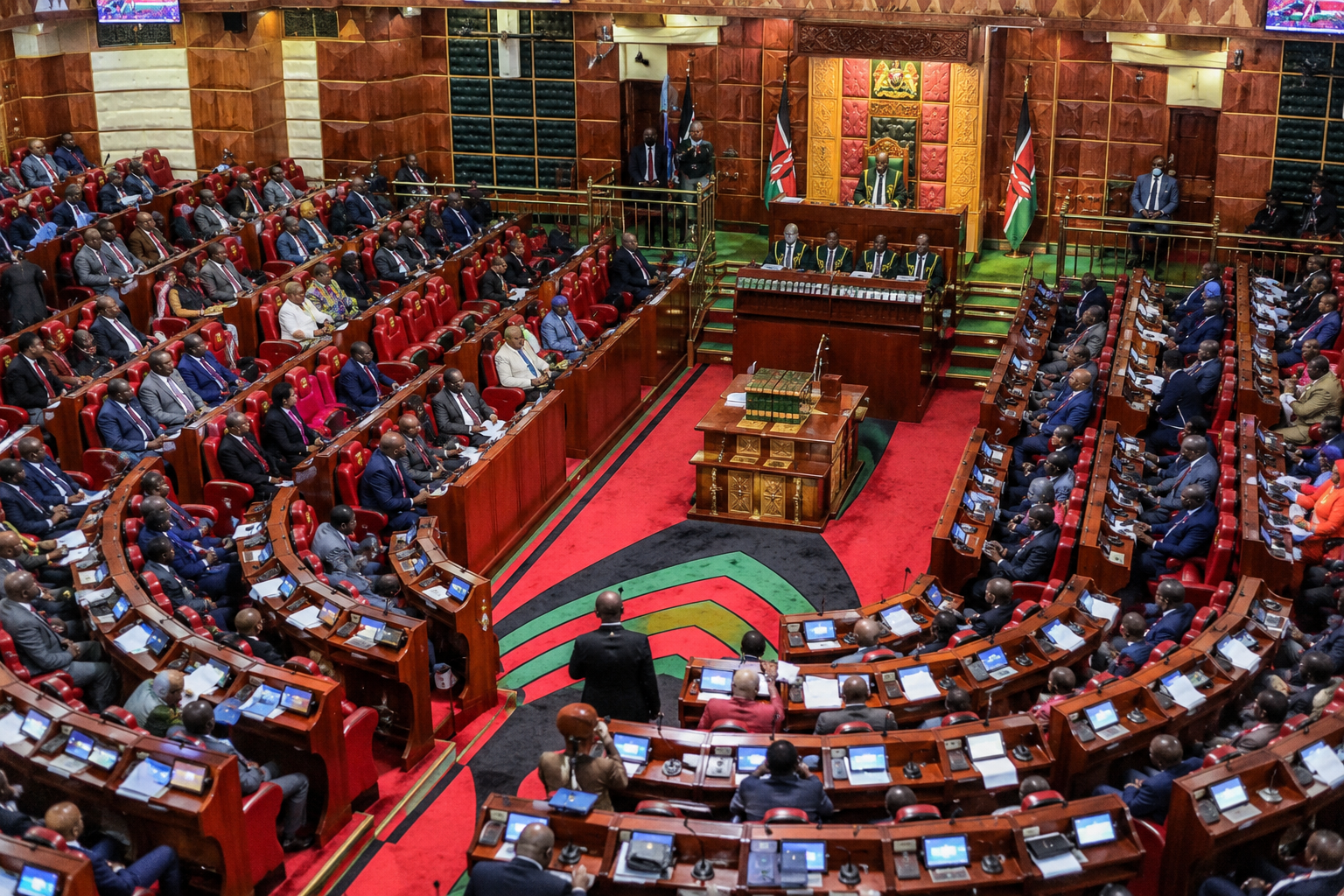
It normally goes through several stages, which can include debate, committee scrutiny, public participation where required, amendments and voting before the final stages of enactment and assent.
At each stage, political positions can change.
A controversial clause may be removed.
An amendment may be introduced.
Opposition MPs may negotiate changes.
The government may defend the original wording.
This process matters because the bill citizens eventually see as law may be very different from the document first introduced.
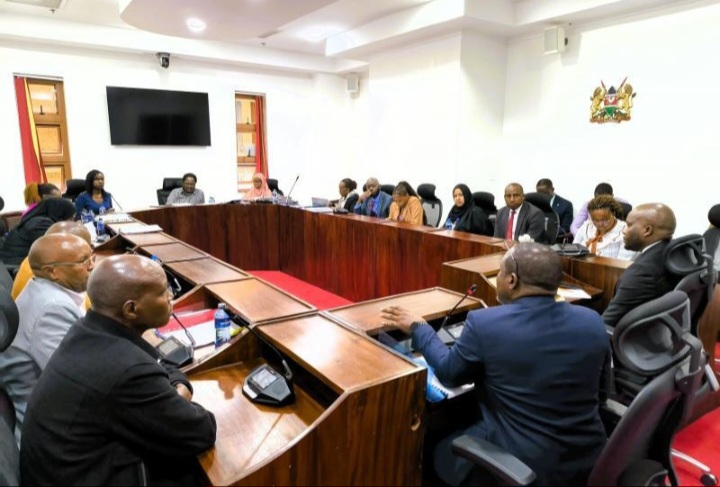
Much of the political bargaining over legislation happens during committee scrutiny and debate, away from the main parliamentary spotlight. The Questions Every Citizen Should Ask
When a new bill makes headlines, citizens do not need to be legal experts to examine it critically.
They can start with a few basic questions:
- Who introduced the bill?
- What problem does it claim to solve?
- Who supports it?
- Who opposes it?
- What amendments have been proposed?
- Which MPs are likely to benefit politically from its passage?
- Which communities could gain?
- Which communities could lose?
- How much will implementation cost?
- Who will ultimately pay?
- What do independent experts and affected citizens say?
- What has changed between the original bill and the final version?
These questions turn a complicated piece of legislation into a story that people can understand.
Beyond the Politics: Does the Bill Work?
There is also a danger in focusing so heavily on political interests that the actual policy gets forgotten.
Not every bill is simply a political maneuver.Some are introduced because a genuine problem needs to be addressed. Others may be necessary to update outdated laws or respond to changes in society, technology or the economy.
The strongest analysis therefore looks at both sides.
What political interests are behind the bill — and does the bill actually solve the problem it claims to solve?
Those two questions should go together.

The Bigger Picture
A bill is more than a legal document—It is a product of political choices.
Behind its clauses are lawmakers making decisions about money, rights, public services, businesses, communities and the distribution of power.
That is why citizens should not only ask whether they agree with a bill.
They should ask who wrote it, who supports it, who opposes it, who benefits, who pays and why.
When people understand those questions, Parliament becomes easier to follow and legislation becomes less mysterious.
Ultimately, the politics behind a bill is about something much bigger than politicians.
It is about who gets what, who carries the cost, who has influence and how political decisions shape everyday life.