



What would happen if an African business could sell its products across the continent with fewer tariffs, simpler trade rules and fewer barriers? That is the idea behind the African Continental Free Trade Area, or AfCFTA. But despite the attention it has received, many people still do not understand how it actually works. AfCFTA is not simply about removing borders or making everything imported from another African country tax-free. It is a system of trade rules designed to gradually make it easier for African countries to trade goods and services with one another. Here is what the agreement really means for governments, businesses and ordinary consumers.

What is AfCFTA?
The African Continental Free Trade Area, commonly known as AfCFTA, is one of the African Union's biggest economic projects.
Its purpose is to create a single continental market for goods and services and make it easier for African countries to trade with one another.
The agreement entered into force in May 2019, while trading under the AfCFTA framework officially began on January 1, 2021.
The idea sounds simple, but the system behind it is more complicated.
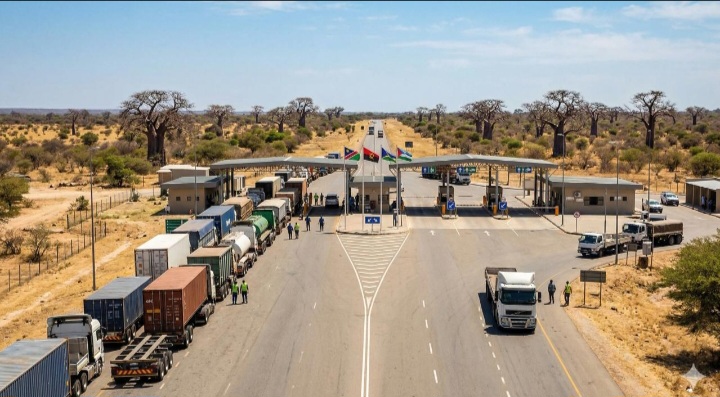
Africa has more than 50 countries, each with its own customs systems, regulations, taxes, infrastructure and economic priorities.
A company selling goods from Kenya to Ghana, for example, may face different requirements from a company selling those same goods within Kenya.
AfCFTA is designed to gradually reduce some of these differences and create common rules for continental trade. However, it does not mean every African country immediately removes every import tax.
Why was AfCFTA created?
For years, African countries have traded heavily with markets outside the continent while trade between African countries has remained below its potential.
AfCFTA is an attempt to change that.
The agreement seeks to increase intra-African trade, support industrialization, encourage investment and create regional value chains.
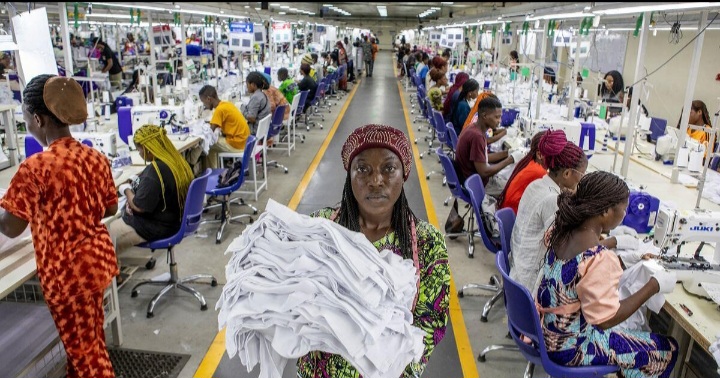
Think about a Kenyan company making clothes.
Instead of seeing Kenya as its only major market, the company could potentially sell to customers in Uganda, Rwanda, Ghana, Nigeria, South Africa and other participating markets.
The same applies to food processors, manufacturers, technology companies, transport businesses and professional service providers.
A larger market can give businesses more room to grow. And when businesses grow, they can potentially hire more workers, buy more supplies and invest in production.
That is the economic logic behind AfCFTA.
Does AfCFTA mean zero tax on everything?
No.
This is probably the biggest misconception about the agreement.
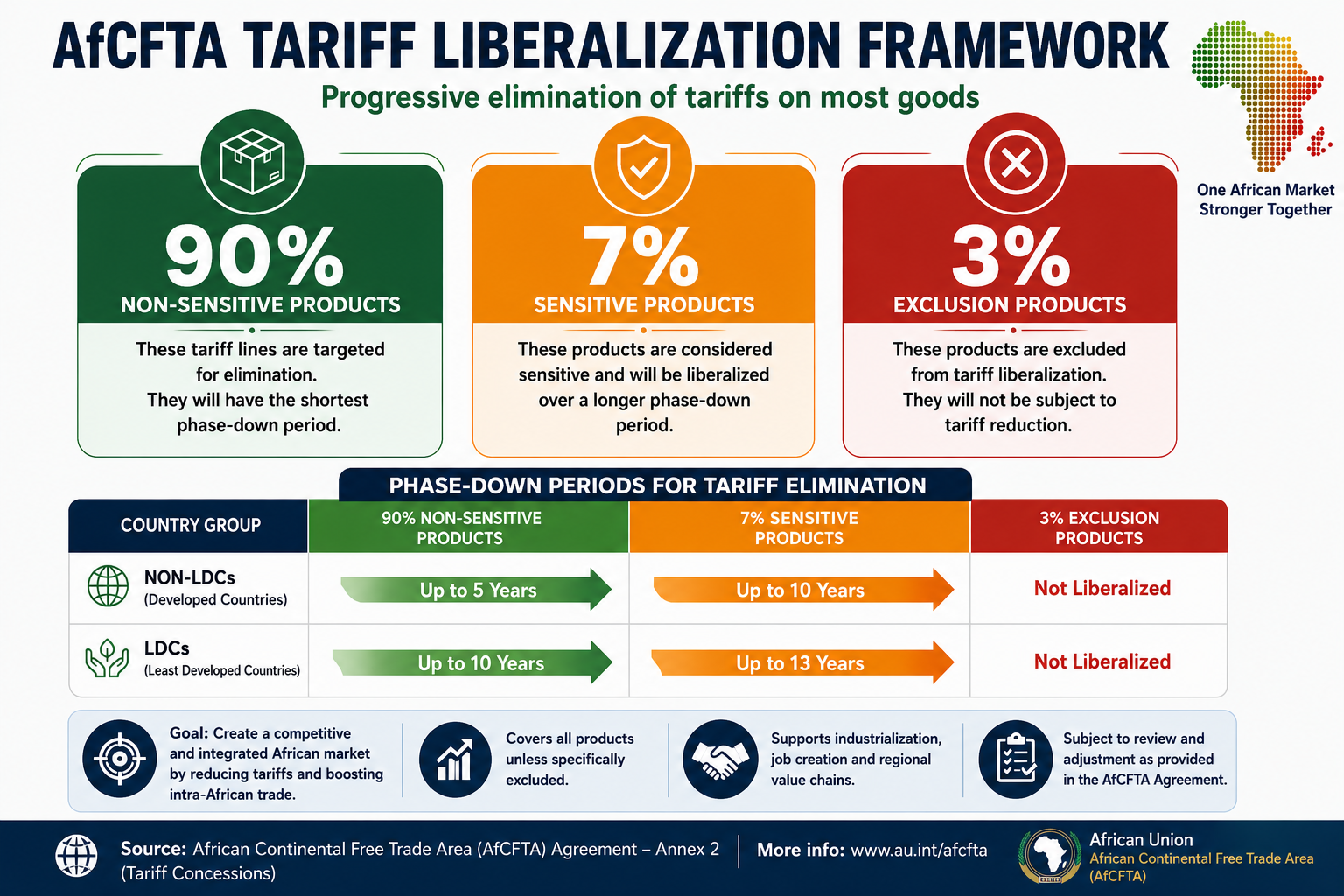
Under the AfCFTA tariff-liberalization framework, countries agreed to progressively eliminate tariffs on 90% of tariff lines.
Another 7% can be classified as sensitive products and liberalized over a longer period.
The remaining 3% can be excluded from tariff liberalization, subject to the agreement's rules and review process.
This means the tariff on a qualifying product is not automatically zero simply because both the exporting and importing countries are African.
The product must qualify under the applicable tariff schedule, and it must also meet AfCFTA's rules of origin.
That brings us to one of the most important parts of the entire system.
What are rules of origin?
Rules of origin answer a basic question: Where was this product actually made?
This matters because AfCFTA is meant to encourage African production, not simply provide a tax advantage to foreign goods passing through an African country.
For a product to receive preferential treatment under AfCFTA, it generally has to qualify as an originating product under the agreement's rules.
The African Union's Rules of Origin Manual explains that goods can qualify if they are wholly obtained in a State Party or have undergone the required substantial transformation there.
Consider a simple example:
A Kenyan company imports materials, manufactures a product in Kenya and then wants to sell it in another AfCFTA market.
The company cannot simply assume that because the final product carries a Kenyan label, it automatically qualifies.
The product must satisfy the specific rule of origin that applies to it.
Depending on the product, this can involve requirements relating to the materials used, processing, tariff classification or value added.
The exact test varies by product.
So how does a business actually use AfCFTA?
This is where the agreement becomes practical—Suppose a Kenyan manufacturer wants to export goods to Ghana under AfCFTA preferences.
First, the business needs to establish whether the product qualifies under the relevant AfCFTA rules of origin.
Next, it needs the appropriate proof of origin.
This can include an AfCFTA Certificate of Origin or an applicable Origin Declaration.
The documentation allows customs authorities to determine whether the shipment qualifies for preferential treatment. The AfCFTA Rules of Origin Manual sets out the criteria and procedures used to determine originating status.
When the shipment arrives, customs authorities can examine the documents and, where necessary, verify the origin of the goods.
If the goods qualify and the relevant tariff has been liberalized, the importer can receive the preferential tariff treatment provided under AfCFTA.
So the process is not simply: Make product → cross border → no tax.
It is closer to: Make product → prove its African origin → meet trade requirements → clear customs → receive applicable preferential treatment.
That difference is crucial.
What does this mean for Kenya?
Kenya offers a useful example of how AfCFTA operates beyond government meetings.
Kenya has participated in efforts to operationalize continental trade, including the Guided Trade Initiative.
For Kenyan businesses, government agencies such as the Kenya Revenue Authority play an important role in implementing customs and origin requirements.
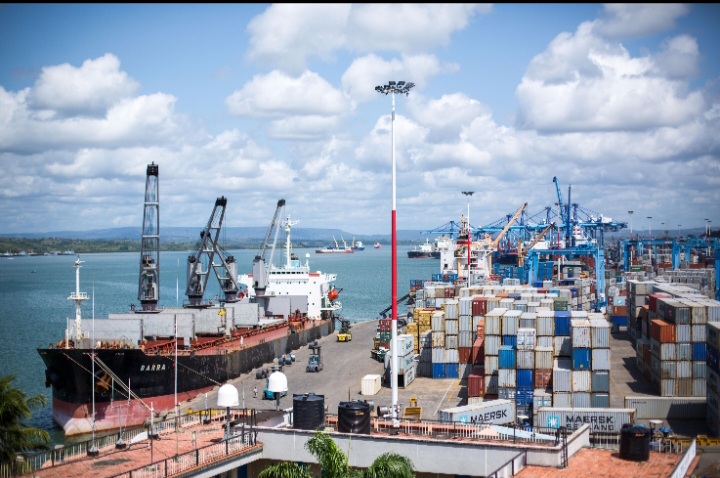
This means an African continental trade agreement ultimately has to work at very practical points: factories, warehouses, customs offices, ports, border posts and businesses.
That is where the success or failure of AfCFTA will eventually be felt.
AfCFTA is also about services
AfCFTA is not limited to physical products.Services are part of the agreement too.
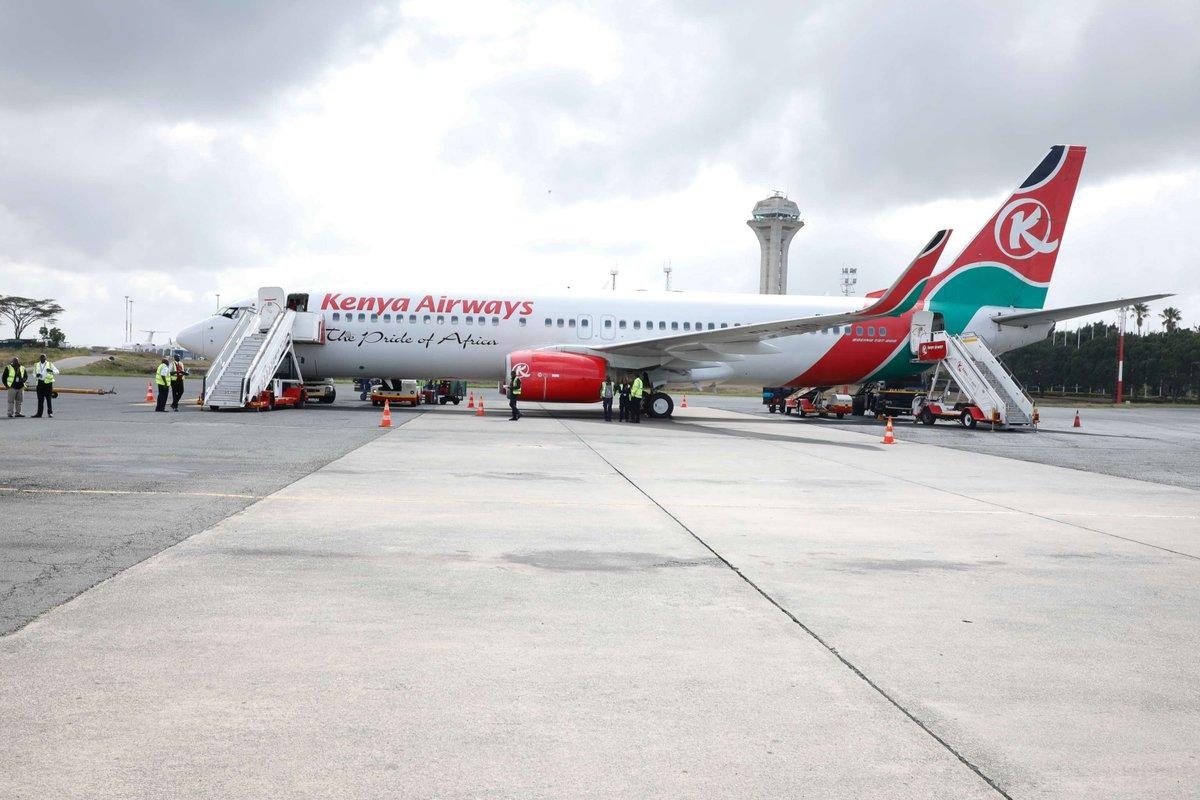
That includes areas such as transport, tourism, telecommunications, financial services and professional services.
This is especially important as Africa's economies become increasingly digital.
A software company does not need to put its product on a truck. A consultant can provide services remotely.
A digital business can potentially serve customers in several countries without physically moving a product across a border.
AfCFTA's Protocol on Trade in Services is intended to progressively liberalize trade in services and improve market access, although the actual commitments and regulatory requirements differ by sector and country.
This means the agreement could eventually matter just as much to a technology company or professional service provider as it does to a manufacturer.
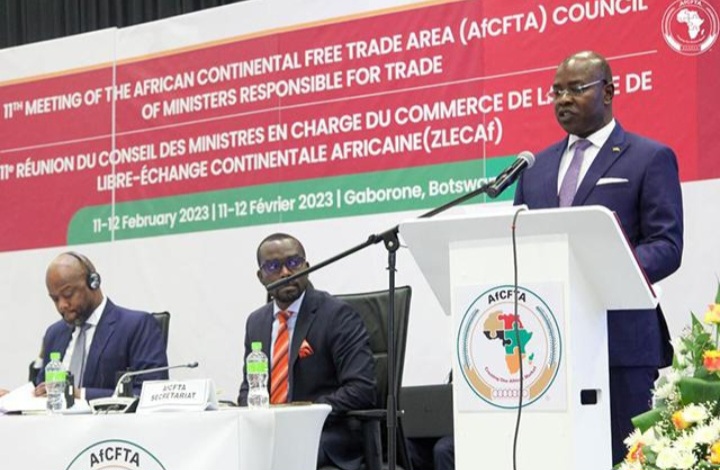
What happens when countries disagree?
No major trade system can work without a way to resolve disputes.
AfCFTA therefore includes a Protocol on Rules and Procedures on the Settlement of Disputes.
The purpose is to provide a rules-based system for handling disputes between participating states concerning their rights and obligations under the agreement.
This matters because businesses need predictable rules.
If two governments disagree over how a trade rule should be interpreted, there needs to be a process for resolving the disagreement rather than allowing every dispute to become a political crisis.
What about border delays and other barriers?
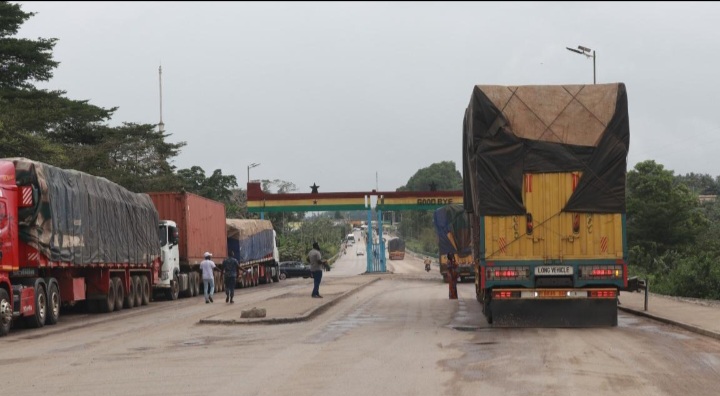
Lowering tariffs does not automatically make trade easy.
A company can still face delays at a border.
A truck can still wait for hours or days.
A business can still struggle with paperwork.
Products can still face different technical standards, health requirements and other regulations.
These are known as non-tariff barriers.
AfCFTA therefore includes mechanisms for identifying, reporting and addressing such barriers. The African Union has also developed operational tools to support implementation, including systems for monitoring non-tariff barriers.
This is important because a company does not necessarily care only about the tax it pays.
It also cares about how long it takes to get its goods to the customer and how predictable the process is
A cheaper tariff means little if a truck carrying perishable food sits at a border for several days.
The Guided Trade Initiative: Testing AfCFTA in the real world
The Guided Trade Initiative, or GTI, was created to help move AfCFTA from an agreement on paper to actual commercial transactions.
The initiative brought together participating countries and businesses to test the practical application of the agreement and its trade rules.
This was important because creating a continental trade framework is one thing. Getting real companies to use it is another.
The experience gained through these transactions can reveal problems that may not be obvious during negotiations.
It can show governments where customs procedures need improvement and where businesses need more information.
Can small businesses benefit?
They can—but AfCFTA is not an automatic business opportunity.
A small company still needs a competitive product, financing, reliable production and knowledge of its target market.
It also needs to meet the applicable customs, origin, product-standard and regulatory requirements.
However, a larger continental market can create opportunities that may not exist when a company thinks only about its home country.
A small clothing manufacturer in Kenya, for example, could potentially target customers in several African markets.
A food-processing company could look beyond its domestic market.
A technology company could provide services to clients in other African countries.
This is particularly important because small and medium-sized enterprises make up a significant part of economic activity across the continent.
AfCFTA's long-term value may therefore depend heavily on whether smaller businesses can actually use it.
Will consumers benefit?
Consumers may eventually notice AfCFTA through greater product choice and stronger competition.
A Kenyan consumer could have access to more products made in Ghana, Egypt or South Africa.
A Ghanaian consumer could have more access to products made in East Africa.
Businesses may also have more choices when looking for suppliers.
But AfCFTA does not guarantee that every product will become cheaper.
Transport costs, fuel prices, exchange rates, domestic taxes, energy costs and other expenses still influence the final price.
AfCFTA can remove some trade barriers. It cannot remove every cost involved in doing business.
Why manufacturing is so important
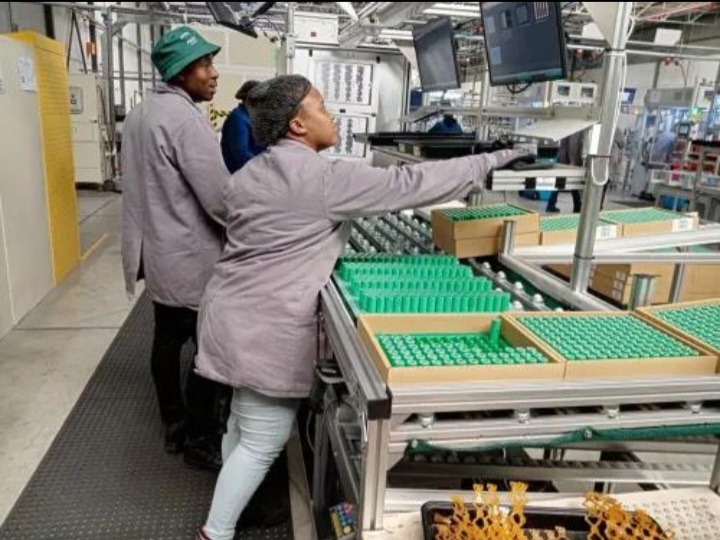
Perhaps the biggest long-term opportunity is manufacturing.
Africa has enormous natural resources, but many countries have historically exported raw materials and imported finished products.
AfCFTA could encourage companies to manufacture more within the continent.
A company that previously considered one African country too small for a large factory may think differently if it can potentially serve customers across a much larger continental market.
That could encourage investment and also create regional supply chains.
One country could produce raw materials.
Another could process them.
Another could manufacture components.
Another could assemble the final product.
The finished goods could then be sold across Africa.
The African Union identifies industrialization and cross-border value chains among the potential benefits of stronger implementation of the trade-in-goods framework.
AfCFTA is not finished yet
It is important not to describe AfCFTA as a fully completed single market—Implementation is still progressing.
According to the African Union's 2025 annual report, by August 2025, 49 countries had ratified and deposited their instruments of ratification. The report also said 48 of 50 tariff schedules had been verified, 25 State Parties had gazetted readiness to trade, and about 92.43% of the Rules of Origin had been agreed, with negotiations continuing in areas including textiles and automobiles.
That tells an important story.
The agreement exists, trade has started, and substantial progress has been made.
But the continental market is still being built.
Countries have different levels of infrastructure.
Businesses have different levels of awareness.
Customs systems still need to work together.
And barriers to cross-border trade have not disappeared.
So, how does AfCFTA actually work?
At its simplest, think of it this way:
First: A business produces a good or provides a service.
Second: It wants to sell in another African market.
Third: If it is exporting goods, it checks whether the product meets the relevant AfCFTA rules of origin
Fourth: It obtains the required proof of origin.
Fifth: Customs authorities assess the shipment.
Sixth: If the product qualifies and the applicable tariff has been liberalized, the importer receives the relevant preferential tariff treatment.
That is the basic mechanism.
AfCFTA does not remove borders. It attempts to make what happens at those borders more predictable and less costly.
The bigger picture
AfCFTA is ultimately about much more than tariffs.
It is about changing the way African economies trade with one another.
For decades, many African countries have looked outside the continent for their largest markets.
AfCFTA asks a different question:
What if Africa also became one of its own biggest markets?
If businesses can sell more easily across borders, manufacturers can produce at greater scale, farmers can reach new customers, service providers can expand and regional supply chains can grow.
That could create jobs, support industrialization and increase the value Africa captures from its own resources.
But the agreement itself cannot guarantee those results.
Governments must implement it.
Customs authorities must apply the rules.
Infrastructure must improve.
Businesses must understand the system.
And countries must continue working to remove barriers that make trade unnecessarily expensive.
The real test of AfCFTA
The success of AfCFTA will not ultimately be measured by the number of summits held or agreements signed.
It will be measured by what happens to real businesses and real people.
Can a Kenyan manufacturer sell more easily in Ghana?
Can a Ghanaian food company reach customers in East Africa?
Can an African technology company expand across several markets?
Can a small business move goods across a border without unnecessary delays and costs?
Can African manufacturers source more of their inputs from other African countries?
If the answer to these questions increasingly becomes yes, then AfCFTA will be achieving its purpose.
The agreement is ambitious, and its implementation will take time, however its central idea is straightforward:Make it easier for Africans to trade with Africans.
The bigger opportunity is not simply to move more goods across borders.
It is to build an Africa where more products are made locally, more businesses can grow beyond their national markets, more jobs are created and more of the value generated by African resources stays within the continent.
That is what AfCFTA is ultimately trying to achieve.













Comments (0)
No comments yet. Be the first to share your thoughts!