

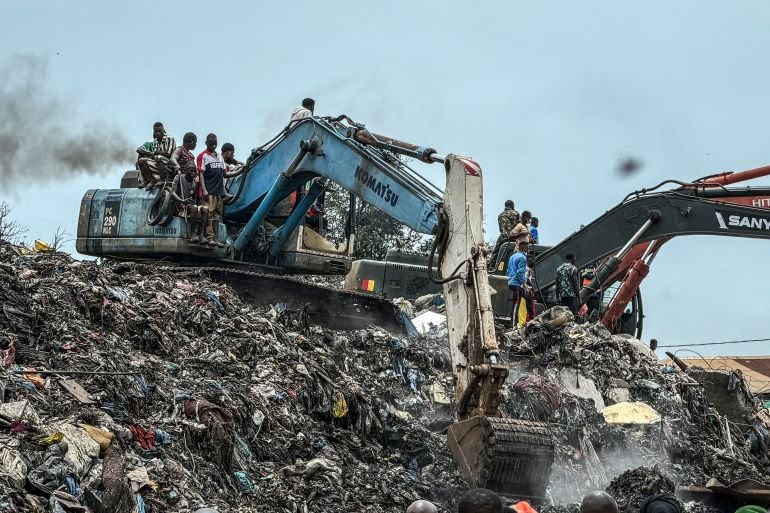
The disaster struck at the Dar Es Salam landfill, where enormous piles of waste had accumulated close to densely populated communities.
But what caused the landfill to collapse? Why were people living so close to such a dangerous site? And why has Guinea struggled to find a safer way of managing waste in one of West Africa’s fastest-growing cities?

The answers reveal a problem that extends well beyond one landfill.
What happened in Conakry?
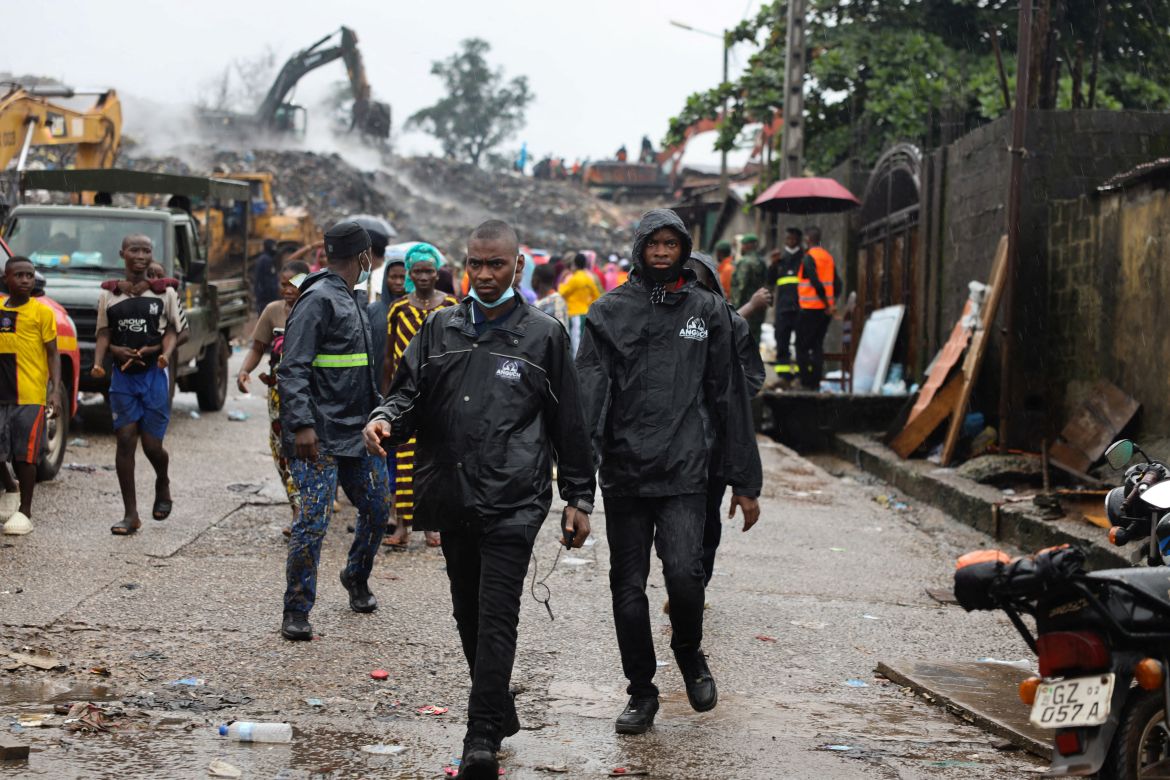
The disaster occurred in the early hours of Sunday after heavy overnight rainfall. A large section of accumulated waste at the Dar Es Salam landfill became unstable and collapsed, sending tonnes of rubbish into nearby homes and other structures.
At least 30 people were killed while 22 others were injured, six seriously. Rescue workers were forced to search through the enormous mass of waste using heavy machinery in an attempt to find survivors and recover bodies.
The tragedy was particularly devastating because people were living and working around the landfill. Some residents had built homes and makeshift structures close to the waste site, putting them directly in the path of the collapsing material.
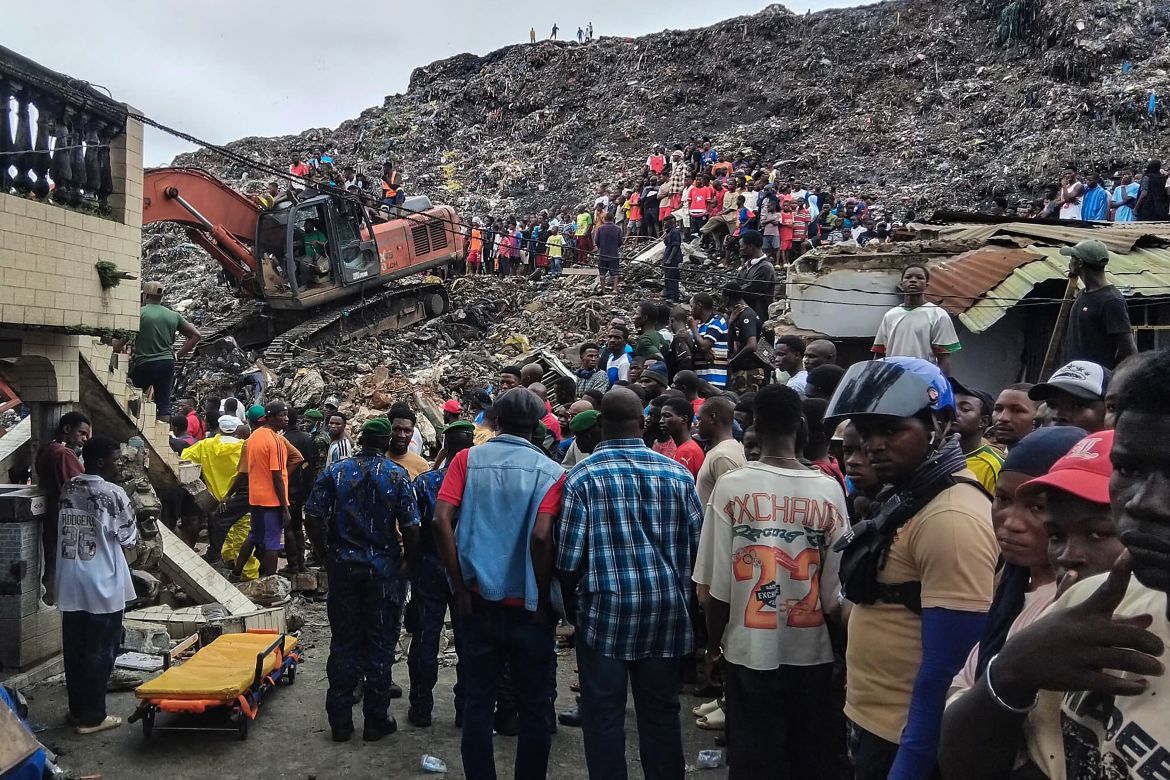
Why did the landfill collapse?
The immediate trigger appears to have been heavy rainfall.
When rainwater enters a large pile of poorly managed waste, it can increase the weight of the material while reducing its stability. Landfills containing household rubbish, soil and other materials can become extremely heavy over time.
If the waste is not properly compacted, drained and engineered, parts of the mound can eventually become unstable. Heavy rainfall can then provide the final push, causing the accumulated material to slide or collapse.
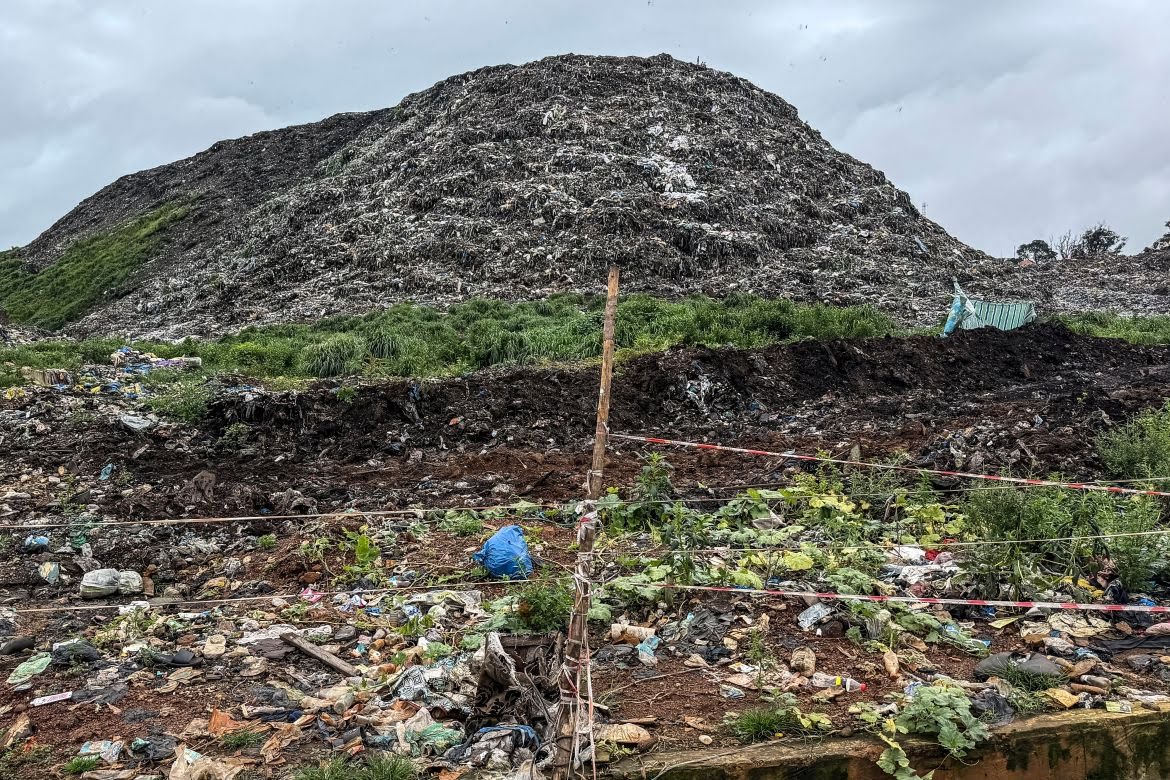
In Conakry, years of waste accumulation created a huge mound beside communities that were already vulnerable.
The disaster was therefore not simply a case of "too much rain". It was the result of rainfall interacting with an already dangerous environment.
Why were people living near the landfill?
This is one of the most important questions surrounding the tragedy.
People generally do not choose to live beside mountains of rubbish because they consider the location safe. For many low-income families, however, affordable housing in safer parts of a rapidly growing city may be difficult to find.
As Conakry expands, informal settlements have developed around areas where land is cheaper or where authorities have limited control over construction.
Some people also depend on waste sites for their livelihoods. Informal waste pickers can recover plastic, metal and other materials from rubbish and sell them for income.
Consequently, a landfill can become more than a place where a city dumps its waste. It can become part of the local economy, even when the environment is extremely hazardous.
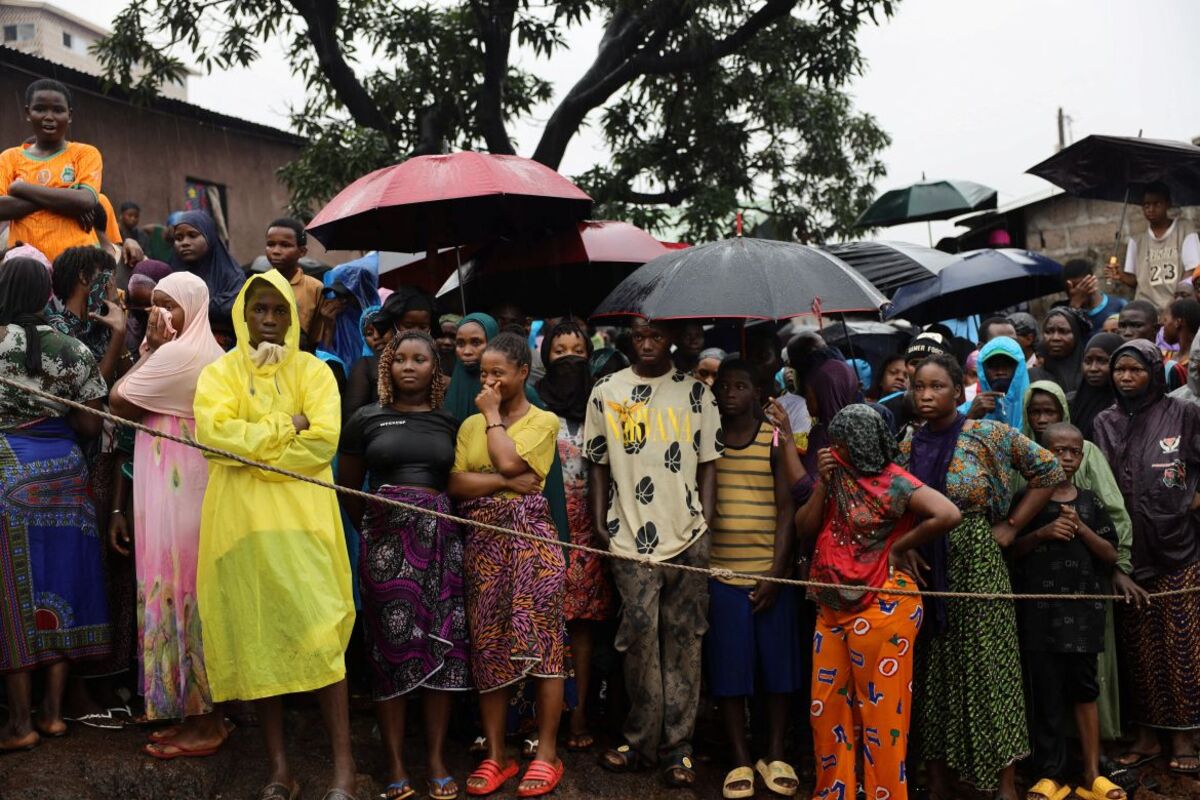
Had authorities warned about the danger?
Yes.
Guinea's authorities had already recognised the risks surrounding the Dar Es Salam landfill and announced plans to close it. Authorities had also issued eviction notices to some residents living around the site.
However, closing a landfill is not as simple as shutting a gate.
A major city produces enormous amounts of waste every day. If authorities close an existing disposal site without establishing an effective alternative, rubbish can quickly accumulate elsewhere.
Similarly, telling residents to leave dangerous settlements does not solve the housing problem if they have nowhere affordable to go.
This is where the tragedy exposes a much deeper challenge, urban safety cannot be separated from poverty, housing and public infrastructure.
Why is waste management such a major problem?
Africa's rapidly growing cities are producing more waste as populations increase and consumption rises.
The challenge is not simply collecting rubbish from homes. Cities need systems for collection, transportation, recycling, treatment and final disposal.
Where those systems are weak, rubbish is frequently dumped in open areas or poorly managed landfills. Over time, enormous quantities of waste accumulate.
The consequences can include polluted water, disease, air pollution, flooding and, as Conakry has demonstrated, potentially deadly landslides.
For governments, building modern waste-management systems can be expensive. Yet the cost of failing to build them can ultimately be measured in lives.
What does climate change have to do with it?
Climate change did not necessarily cause the Conakry landslide by itself. However, changing rainfall patterns and the possibility of more intense extreme-weather events can increase pressure on vulnerable urban environments.
Heavy rainfall becomes particularly dangerous where drainage systems are inadequate, settlements occupy risky land and infrastructure has not been designed to withstand increasingly severe weather.
This creates a dangerous combination.
A city may have a landfill that has been accumulating waste for years. It may also have communities living nearby and limited drainage infrastructure. When exceptionally heavy rain arrives, weaknesses that have existed for years can suddenly become deadly.
Is this only a Guinea problem?
No. The circumstances in Conakry are part of a wider challenge facing African cities.
From West Africa to East and Southern Africa, rapid urbanisation is putting pressure on governments to provide housing, sanitation, roads, drainage and waste-disposal facilities.
In many cities, informal settlements have expanded faster than public infrastructure.
That means disasters such as the one in Conakry should not be viewed as isolated accidents. They are warnings about what can happen when urban development moves faster than the systems needed to make cities safe.
What happens now?
The immediate priority is rescuing survivors, recovering victims and supporting families who have lost homes and relatives.
However, the longer-term challenge will be much harder.
Guinea needs to safely close or replace the Dar Es Salam landfill while creating a reliable waste-disposal system for Conakry. Authorities also need to address settlements around hazardous areas and provide realistic alternatives for people who depend on them.
Simply moving a landfill somewhere else would not solve the underlying problem.
The city needs a broader waste-management strategy that includes better collection, recycling, controlled disposal and properly engineered landfill facilities.
The bigger lesson
The tragedy in Conakry illustrates how several problems can collide to produce a disaster.
Heavy rain was the trigger. Years of accumulated waste created the unstable mass. Rapid urbanisation brought homes and communities closer to the landfill. Poverty limited people's housing choices, while inadequate waste infrastructure allowed the problem to grow.
That is why the disaster matters beyond Guinea.
Africa's cities are expanding rapidly, and millions more people are expected to move into urban areas in the coming decades. If governments fail to expand infrastructure at the same pace, today's environmental problems could become tomorrow's humanitarian disasters.
The lesson from Conakry is therefore straightforward that waste management is not merely about keeping cities clean, It is about keeping people alive.

















Comments (0)
No comments yet. Be the first to share your thoughts!