


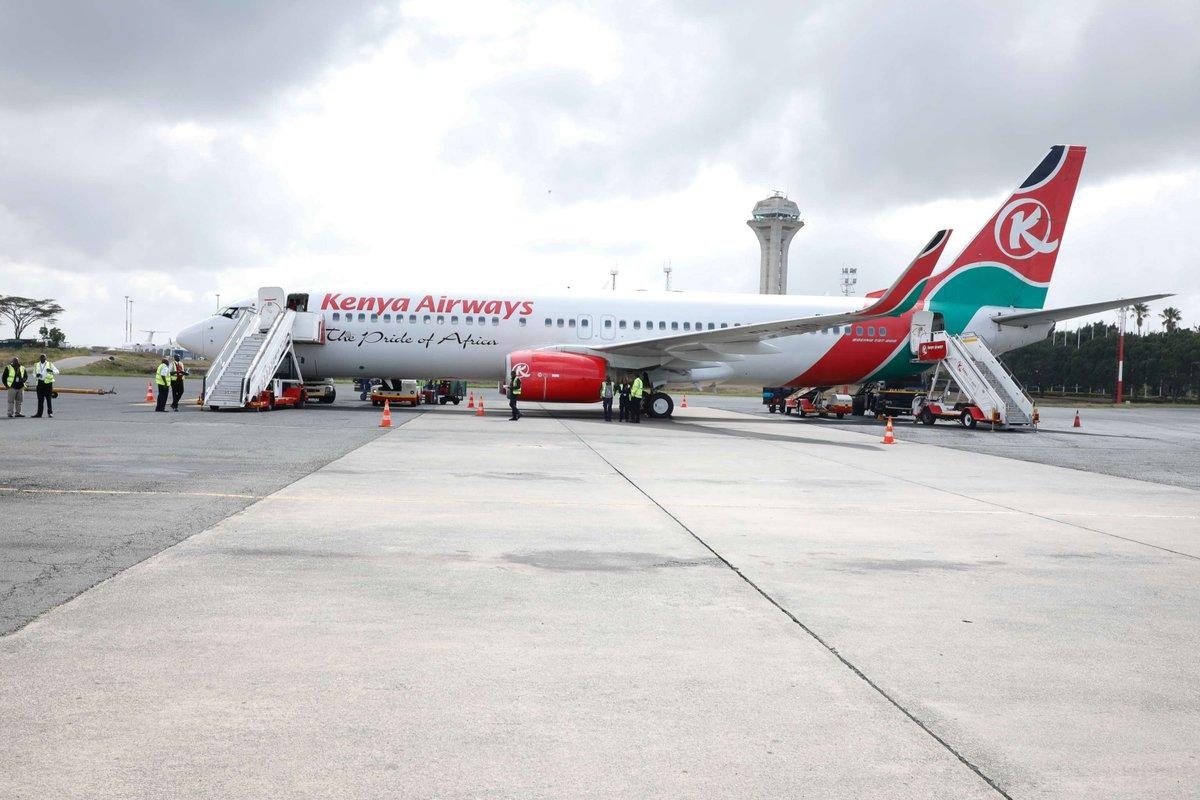
Kenya Airways has suffered a Sh15.92 billion pre-tax loss in the first half of 2026, raising fresh questions about the future of the national carrier. With fuel costs soaring, aircraft grounded and debt weighing heavily on its balance sheet, KQ is now looking to new investors to help finance its turnaround.
Kenya Airways is losing more money
Kenya Airways is facing another difficult financial year.

The national carrier reported a pre-tax loss of Sh15.92 billion for the six months to June 2026, compared with a Sh12.17 billion loss during the same period last year.
The latest loss is equivalent to about $123 million, according to Reuters. The worrying part is that the airline's losses are growing even as its revenues continue to rise.
Kenya Airways generated about Sh81.25 billion in total income, an increase of roughly 9 percent from the first half of 2025. But operating costs rose faster, reaching about Sh91.9 billion.
In other words, KQ is attracting business, but it is costing the airline too much to deliver that business profitably.
That has made the search for a new investor more urgent.
The airline is making more money — but spending even more
There is an important detail behind Kenya Airways' latest results. The airline is not simply suffering because passengers have stopped flying.
In fact, its revenue increased despite operating with reduced capacity.
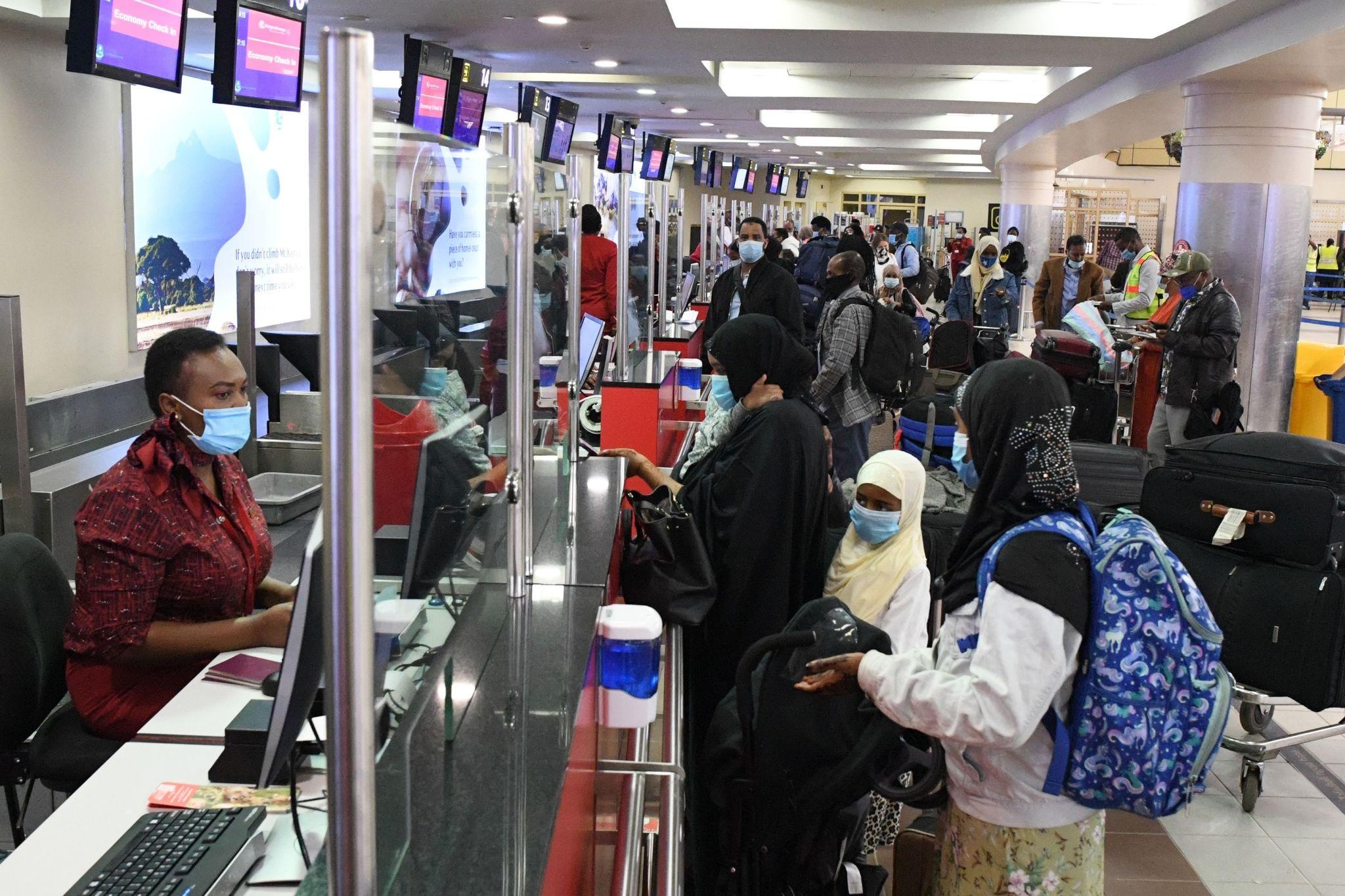
Passenger numbers fell during the period, but the airline's cabin factor — the percentage of available seats filled — improved, while cargo revenue rose by about 18 percent to Sh8.77 billion.
That suggests there is still demand for KQ's network. The bigger problem is profitability.
Acting CEO George Kamal has acknowledged that the airline is struggling to make enough money from each seat.
“The major issue is that profit per seat is very low.”
The statement points to the central problem facing KQ: filling planes is not enough if the cost of operating those planes is too high.
Fuel has become one of KQ's biggest problems
One of the biggest blows to Kenya Airways this year has come from the price of jet fuel.
The airline said its fuel costs increased sharply during the first half of 2026, with the company linking the increase to the conflict in the Middle East. Fuel can account for roughly half of an airline's direct operating costs, making sudden price increases particularly painful.
Kamal said the airline had been heavily affected by the conflict.
“We have been heavily impacted by the war with the fuel prices rising by 72% in the current half-year.”
The problem does not stop at fuel.
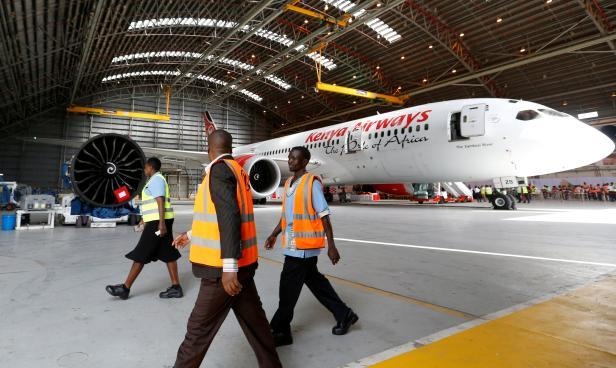
Global supply-chain disruptions have also affected the availability of aircraft spare parts and maintenance services. That has left some Kenya Airways aircraft unavailable for operations.
For an airline, that creates a difficult cycle.
Fewer aircraft mean fewer seats to sell. Fewer seats mean less revenue. But the airline continues to face many of its fixed costs.
Now KQ wants new investors
This is where the future of Kenya Airways becomes particularly interesting.
The airline is preparing to disclose details of potential new investors in the coming weeks.
Chairman Kiprono Kittony said interest has already come from both local and international investors.
“We have received interests from local and international investors who will inject both capital and other resources into KQ,” Kittony told reporters.
The potential investors include parties from the United States, China, South Africa and Singapore.
But Kenya Airways is not simply looking for money.
The airline wants a partner that can bring strategic value to the business.
Kittony said:
“We are confident that we shall achieve both a capital-raise partner and a strategic partner from the aviation industry.”
That could be crucial.
A strategic aviation investor could potentially bring more than cash. It could provide expertise, technology, operational support, aircraft opportunities, partnerships and access to new markets.
For an airline struggling with high operating costs and limited aircraft availability, that could be more valuable than a simple financial injection.
KQ also has a massive debt problem
The search for an investor is closely connected to another major challenge: Kenya Airways' balance sheet.
The airline has accumulated significant debt over years of financial difficulties, and the government remains its largest shareholder.
One proposal under consideration is to convert some of the debt owed to the Kenyan government and a consortium of local banks into equity.
Such a move could reduce pressure from debt repayments and improve the airline's financial position before a new investor comes in.
But there is a condition.
Kenya wants to retain significant control of its national carrier.
Kittony explained:
“It is also a strategic imperative that Kenya does not lose significant equity control of the carrier in order for us not to lose the national carrier status.”
That means the government faces a delicate balancing act.
It needs enough private capital to strengthen KQ, but it also wants to avoid giving away so much ownership that Kenya loses meaningful control of its flag carrier.
Why an investor could still see an opportunity
Despite the headline loss, Kenya Airways is not necessarily an unattractive business.
The airline still has an established international brand, a major hub in Nairobi and an extensive network connecting Kenya with destinations across Africa, Europe, Asia and North America.
Its cargo business is also growing.
The airline's increased revenue despite operating with reduced capacity could be another reason an investor might see potential.
The logic is straightforward: if KQ can get more aircraft back into service while controlling costs, it could generate substantially more revenue from a market where demand already exists.
That is the opportunity a strategic investor would be buying into. But it is also the risk.
Can new money actually fix Kenya Airways?
This is the biggest question.
A new investor can provide capital. But money alone will not solve the airline's structural problems.
Kenya Airways still has to deal with fuel-price volatility, aircraft maintenance, spare-parts shortages, debt, foreign-exchange pressures and intense competition from other airlines.
The airline therefore needs a broader turnaround.
It needs to restore aircraft to service, improve fleet utilization, control costs and increase the amount of money it earns from every passenger and flight.
Management is already looking at cost-cutting measures and other sources of revenue.
The airline has also been developing its maintenance business and looking for ways to increase income beyond passenger tickets and traditional cargo operations.
The objective is to make the airline less vulnerable whenever external shocks hit the aviation industry.
The government has a difficult decision to make
For Kenya, the stakes go beyond one company's financial statements.
Kenya Airways is the country's national carrier and an important part of Kenya's international connectivity.
It connects Nairobi to major business and tourism destinations and supports the movement of passengers and cargo across the region.
But repeated financial support also raises questions about the cost to taxpayers.
The government must therefore answer a difficult question:
How much more public money should go into Kenya Airways if the airline cannot consistently generate profits?
At the same time, allowing the national carrier to deteriorate could have consequences for Kenya's aviation sector, tourism industry and Nairobi's position as a regional transport hub.
That is why finding the right investor matters.
The government does not simply need someone willing to put money into KQ.
It needs a partner capable of helping the airline become commercially sustainable.
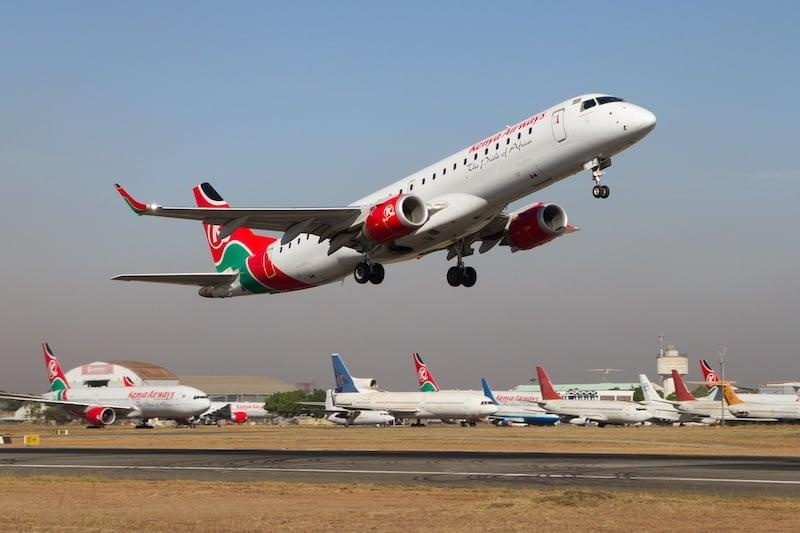
The next few months could decide KQ's future
Kenya Airways' latest results present a mixed picture.
On one side, the airline is generating billions of shillings in revenue, cargo income is growing and passenger demand remains an important strength.
On the other, costs are rising faster than revenue, fuel prices have surged, aircraft availability has been affected by maintenance problems and the pre-tax loss has widened to Sh15.92 billion.
That leaves Kenya Airways at a critical point.
The proposed investor could provide the capital needed to strengthen the balance sheet and restore the fleet.
But the real test will be what happens after the money arrives.
If the new investment helps KQ lower costs, increase aircraft availability and generate sustainable profits, it could become the turning point the airline has been searching for.
If the money only covers existing losses without fixing the underlying problems, Kenya could find itself having the same debate again.
For now, Chairman Kiprono Kittony says the airline is confident it will secure both a capital-raising partner and a strategic aviation partner.
The coming weeks will show whether that confidence translates into a deal.
For Kenya Airways, the question is no longer simply how to survive another year of losses. It is whether the national carrier can finally build a business strong enough to survive without repeatedly needing to be rescued.
















Comments (0)
No comments yet. Be the first to share your thoughts!