


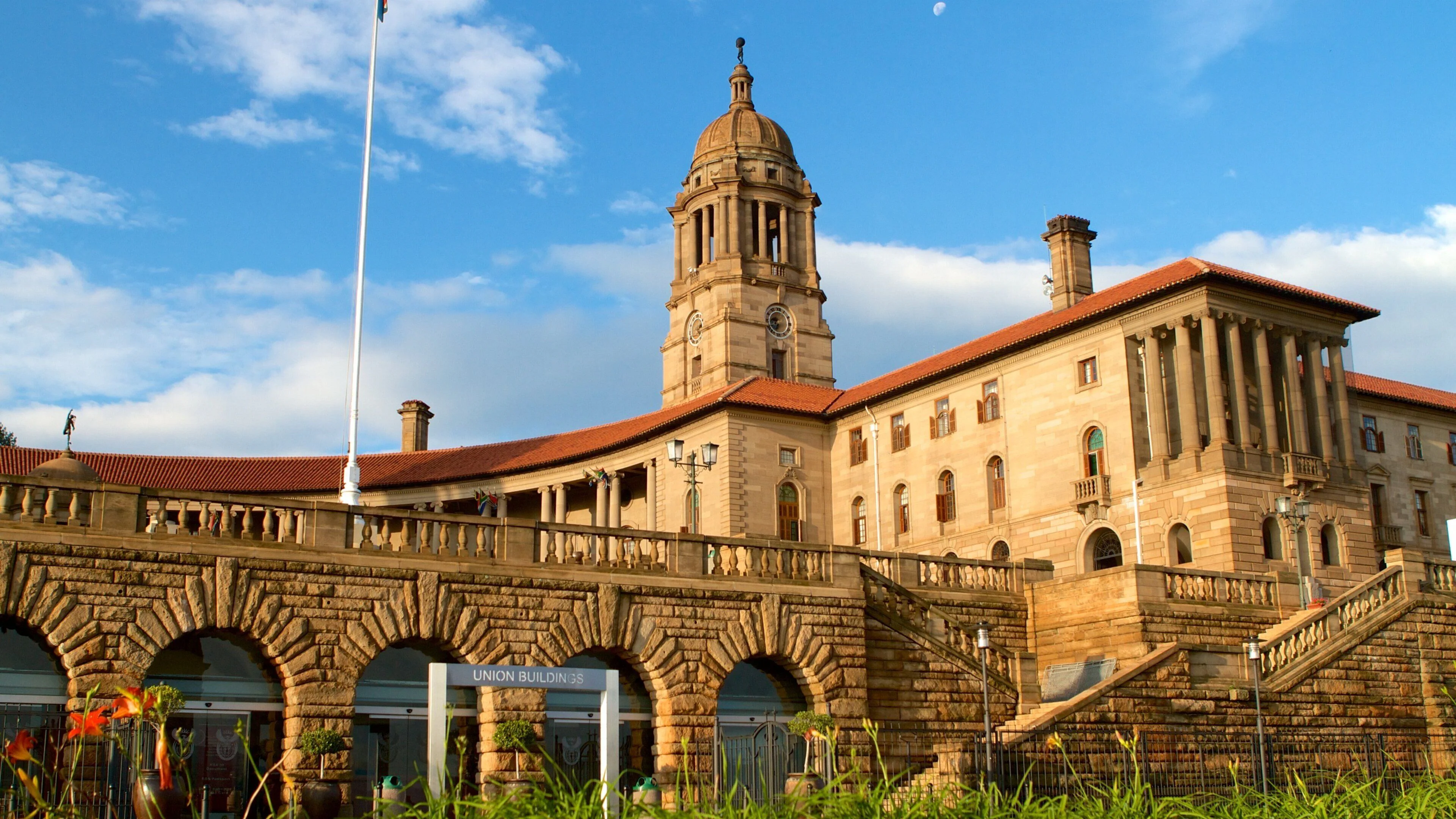
The Bloody Road to Freedom
The streets of South Africa, the Rainbow Nation, will forever remember the bloodshed that came to define the country's democratic future. That struggle was ultimately meant to create a democracy in which political differences could be resolved through unity rather than violence, yet more than three decades later, South Africa finds itself at another defining moment, with a second Government of National Unity, growing political competition and the 2026 local government elections set to test how that democracy is evolving.
The resistance to the apartheid regime was a decades-long struggle in South Africa for liberation, equality and democracy. The struggle lasted for 46 years, from 1948 until the transition to democratic rule in 1994, following negotiations and the election won by the ANC. Major turning points such as the Sharpeville Massacre in 1960 and the Soweto Uprising in 1976 played a significant role in the broader struggle against apartheid.

The First GNU: A Remarkable Compromise
In 1994, South Africa turned a new page. The first Government of National Unity brought former political opponents to the same table, with Nelson Mandela's ANC governing alongside the National Party and Inkatha Freedom Party. It was a remarkable political compromise: a country emerging from apartheid was asking former rivals to put their differences aside and rebuild together. The National Party withdrew in 1996, but the GNU had already helped South Africa take its first steps into democratic rule.
The Return of Coalition Politics
More than three decades later, South Africa has found itself back at that table. But this time, the circumstances are different. The 2024 election ended the ANC's parliamentary majority after 30 years, with the party receiving 40.18% of the national vote, according to the Electoral Commission of South Africa (IEC). The result meant the ANC could no longer govern alone and had to negotiate with other parties, leading to the formation of the current Government of National Unity.
Ten parties formed the current GNU, shifting South Africa from one-party dominance towards a fragmented system in which parties compete for influence. But ten parties around one table do not mean ten parties singing from the same hymn sheet. The tension was visible before the GNU settled into government, when the DA sought 12 ministries and greater influence over appointments during negotiations. It ultimately received six ministerial portfolios and six deputy minister posts. A government born from a promise to work together was already bargaining over the keys to power. Now, as the 2026 local elections approach, those same parties must compete for voters. The early language of "we" is increasingly giving way to parties speaking for themselves.
Tshwane: A Microcosm of Political Tension
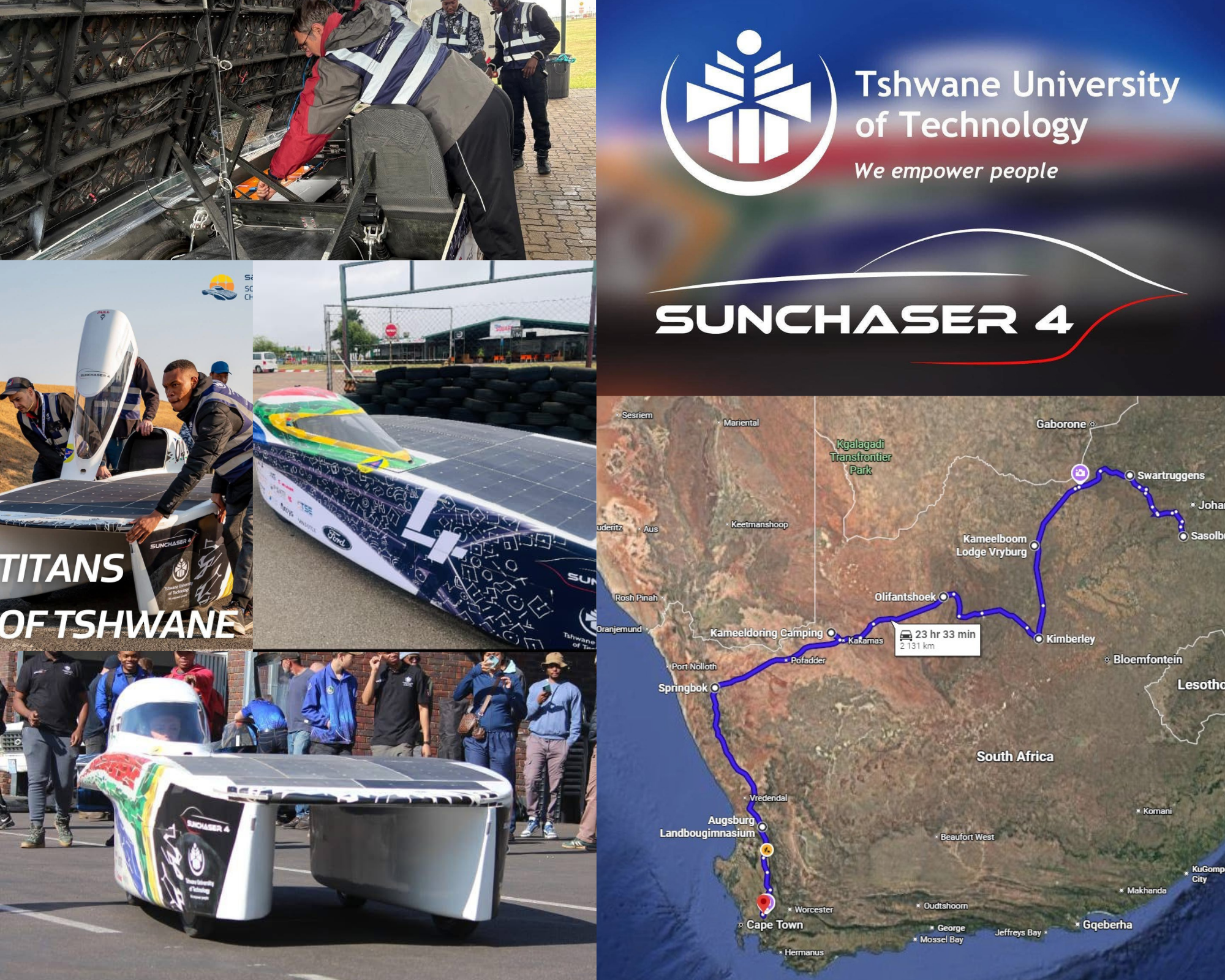
Tshwane offers a glimpse of what happens when cooperation meets competition. The ANC currently shares power within the city's coalition arrangement, with ActionSA's Nasiphi Moya serving as mayor and the ANC holding the deputy mayor position. But the ANC has made clear that it wants the mayoral position if it emerges as the majority.
ANC Greater Tshwane regional secretary George Matjila said: "The position of the ANC is that where we are the majority, we must lead." He added that if the ANC did not win outright but had a majority in a coalition, it would still expect the mayoral position. The statement illustrates the political contest taking shape ahead of the local elections. Nationally, parties may need one another to govern. Locally, they need voters to choose them over one another. The campaign trail has little room for political honeymoon.
The Stakes of the 2026 Local Elections
That is why the 4 November 2026 local government elections matter beyond municipal seats. They will test whether coalition politics can produce stable, effective local government. Parliament has also raised concerns about election security, cybersecurity and the integrity of identity documents. In a democracy where the ballot represents the people's will, the integrity of the identity behind that ballot matters.
The Constitutional Debate
Yet the changing political landscape is not only about parties. SACR, South Africans for Constitutional Reform, reflects this appetite, engaging questions of constitutional reform, accountability and political representation. That debate became sharper on 19 August 2026, when KwaZulu-Natal Police Commissioner Lieutenant-General Nhlanhla Mkhwanazi asked Parliament: "Is the Constitution that gives the powers to one entity still relevant in this country?" His question lands heavily in a country where power is becoming more fragmented and the balance between institutions is under scrutiny.
Institutions Under the Microscope
Accountability is no longer just a campaign slogan. Parliament's Section 89 impeachment process involving President Cyril Ramaphosa, the Ad Hoc Committee examining allegations made by Mkhwanazi and the Madlanga Commission's investigation into allegations of criminality, political interference and corruption show institutions testing the limits of power. The allegations remain allegations until established, but the process matters: evidence is tested and powerful people are questioned in public. Democracy, after all, cannot survive on blind trust alone.
The Streets Are Speaking
Outside Parliament, frustration is also finding its way onto the streets. Movements such as March and March have mobilised around illegal immigration, crime and government failures. Yet legitimate frustration over border management cannot become hostility towards foreigners. Parliament has raised concerns about illegal migration and fraudulent identity documents while also stressing lawful immigration pathways and warning against attitudes that vilify other Africans.
The Reality Test
For ordinary residents, however, the political chess game eventually comes down to everyday life. Does the tap run? Are the streets safe? Is the rubbish collected? Are the roads maintained? Can young people find work? These are the places where political promises meet reality. A coalition agreement may look impressive on paper, but residents ultimately want to see whether the wheels turn.
A Political Crossroads
South Africa is therefore approaching November at a political crossroads. The second GNU is testing whether rivals can govern together, Tshwane is testing whether cooperation can survive electoral competition, Parliament is testing the limits of accountability, and citizens are increasingly testing the boundaries of their own democratic power.
The ballot box will determine who governs municipalities. But the bigger question reaches far beyond November: Is South Africa's democracy failing, or is it evolving because citizens are becoming more willing to challenge power, hold their leaders accountable and change the way power works?




Comments (0)
No comments yet. Be the first to share your thoughts!