

The expansion is visible in countries including Kenya, Cameroon, Tanzania, Uganda, Malawi and Zimbabwe, as Russia simultaneously deepens its political, military and economic relationships across Africa.
For Moscow, the growing religious footprint offers another avenue of engagement with a continent that has become increasingly important to Russia's foreign policy. However, it has also raised questions about where religious outreach ends and geopolitical influence begins.

A rapidly growing network
The centre of Russia's African religious expansion is the Patriarchal Exarchate of Africa, created by the Russian Orthodox Church in December 2021.
Its establishment followed a dispute between Moscow and the Greek Orthodox Patriarchate of Alexandria after Alexandria recognised the independence of the Orthodox Church of Ukraine prompting Moscow to respond by creating its own structure for Orthodox communities across Africa.
The network has since expanded rapidly and by early 2025, the exarchate said it had grown to about 350 parishes across 34 African countries, supported by more than 260 priests, most of them Africans. That represents a significant expansion from the handful of African parishes previously associated with the Russian church.
The growth has continued into 2026 where African priests from countries including Kenya, Malawi, Uganda and Zimbabwe have received theological training in Russia, with some subsequently returning home to serve within the expanding network whereas
in Cameroon, the Russian Orthodox Church was officially granted legal status in January, giving it another institutional foothold in Central Africa.
Why Africa matters to Moscow
Russia's interest in Africa has grown considerably as Moscow seeks new partnerships and attempts to counter Western diplomatic pressure.
Its relationships on the continent extend across security, mining, energy, arms sales, diplomacy and trade. In countries such as the Central African Republic and parts of the Sahel, Russia has also developed strong security relationships with governments that have become increasingly critical of traditional Western partners since Religion adds another dimension to that strategy. Unlike a military deployment or a commercial agreement, a church can establish a lasting presence inside local communities, It can train clergy, educate students, provide humanitarian assistance and build relationships that survive political changes.
This has led some analysts to view the Russian Orthodox Church as part of Moscow's wider soft-power strategy even though that interpretation remains contested.
Kenya and the wider expansion
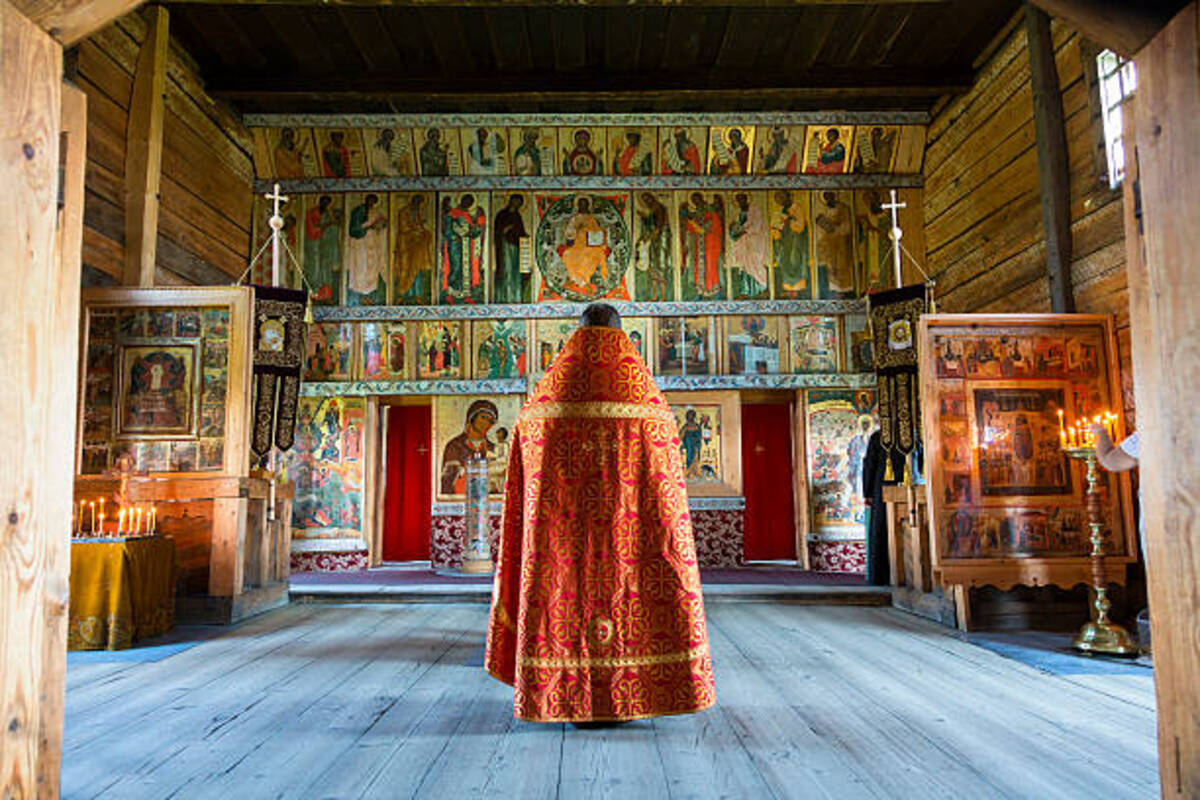
Kenya has become one of the countries where the Russian Orthodox presence is increasingly visible.
Russian Orthodox representatives have developed relationships with Kenyan clergy and communities, while Kenyan priests have travelled to Russia for theological training. In June, Kenyan priests were among African clergy ordained after completing theological studies in Moscow.
For the Russian church, training African clergy is particularly important because it allows its network to develop through local religious leaders rather than relying entirely on Russian missionaries. This approach makes the expansion more sustainable and gives Russia a growing network of people with professional, educational and personal links to the country.
Similar activities are taking place elsewhere with reported religious and humanitarian activities in Tanzania, Cameroon, the Democratic Republic of Congo and other African countries.
Where religion meets geopolitics
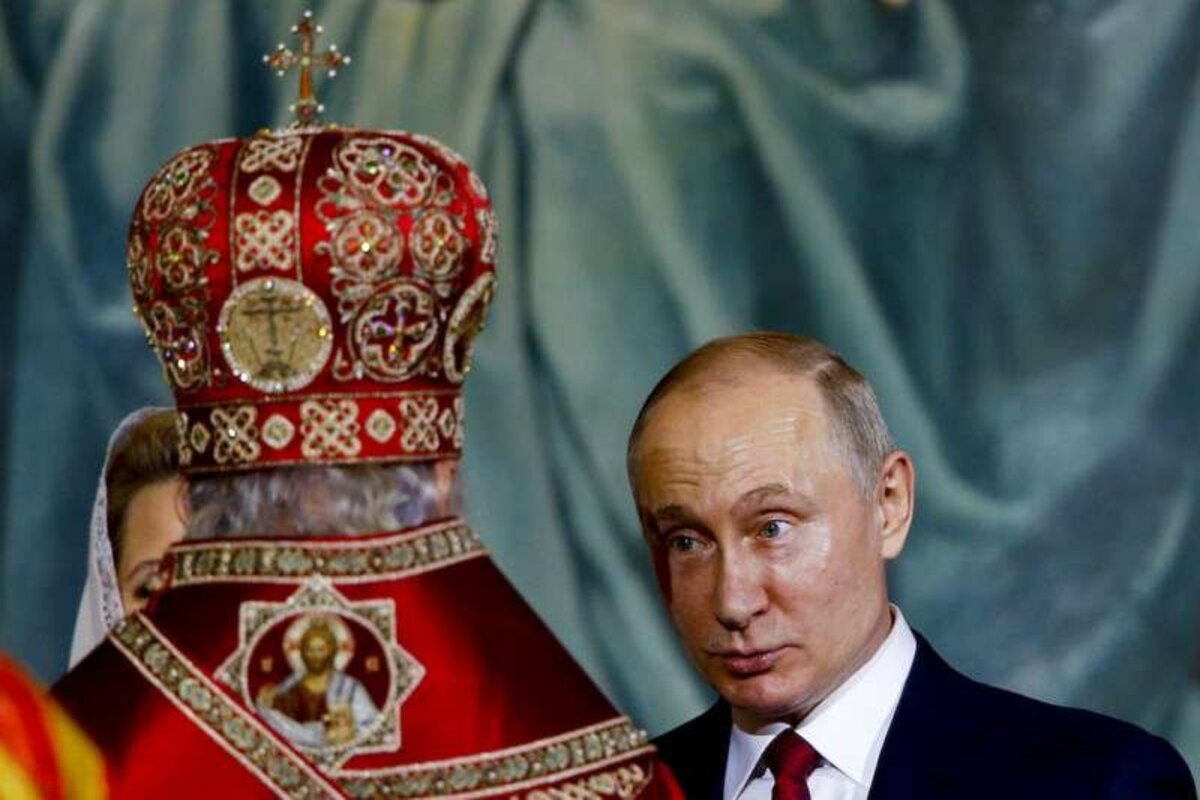
The controversy surrounding Russia's religious expansion comes largely from the close relationship between the Russian Orthodox Church and the Russian state.
Patriarch Kirill, the head of the church, has strongly supported Moscow's position on the war in Ukraine. That relationship has prompted critics to argue that the church can also serve as a channel for Russian political narratives abroad and especially Ukraine, who has been particularly vocal about the issue.
Ukraine's ambassador to Kenya, Yurii Tokar, has warned that Russia's religious structures could provide another avenue for Moscow to spread its narratives and influence across Africa, sentiments which have been supported by other analysts who similarly continue to place the church within Russia's broader soft-power architecture, alongside cultural institutions, media networks and educational exchanges yet it would be too simplistic to portray every Russian Orthodox congregation as a political project.
Moscow rejects the accusations
The Russian Orthodox Church insists that its African mission is fundamentally religious with its Patriarchal Exarchate of Africa saying it is focused on pastoral work, theological education, humanitarian assistance and the establishment of Orthodox communities.
The church has also rejected allegations that its African activities are linked to military recruitment or other political operations. However for many African believers, the attraction may have little to do with Moscow's foreign policy because religious affiliations especially in Africa are driven by faith, community needs, education and access to institutions that provide practical support.
This distinction is important because Russia's influence cannot simply be assumed every time an African religious community establishes links with Moscow. Nevertheless, the timing and scale of the expansion makes the development significant.
A new competition for influence
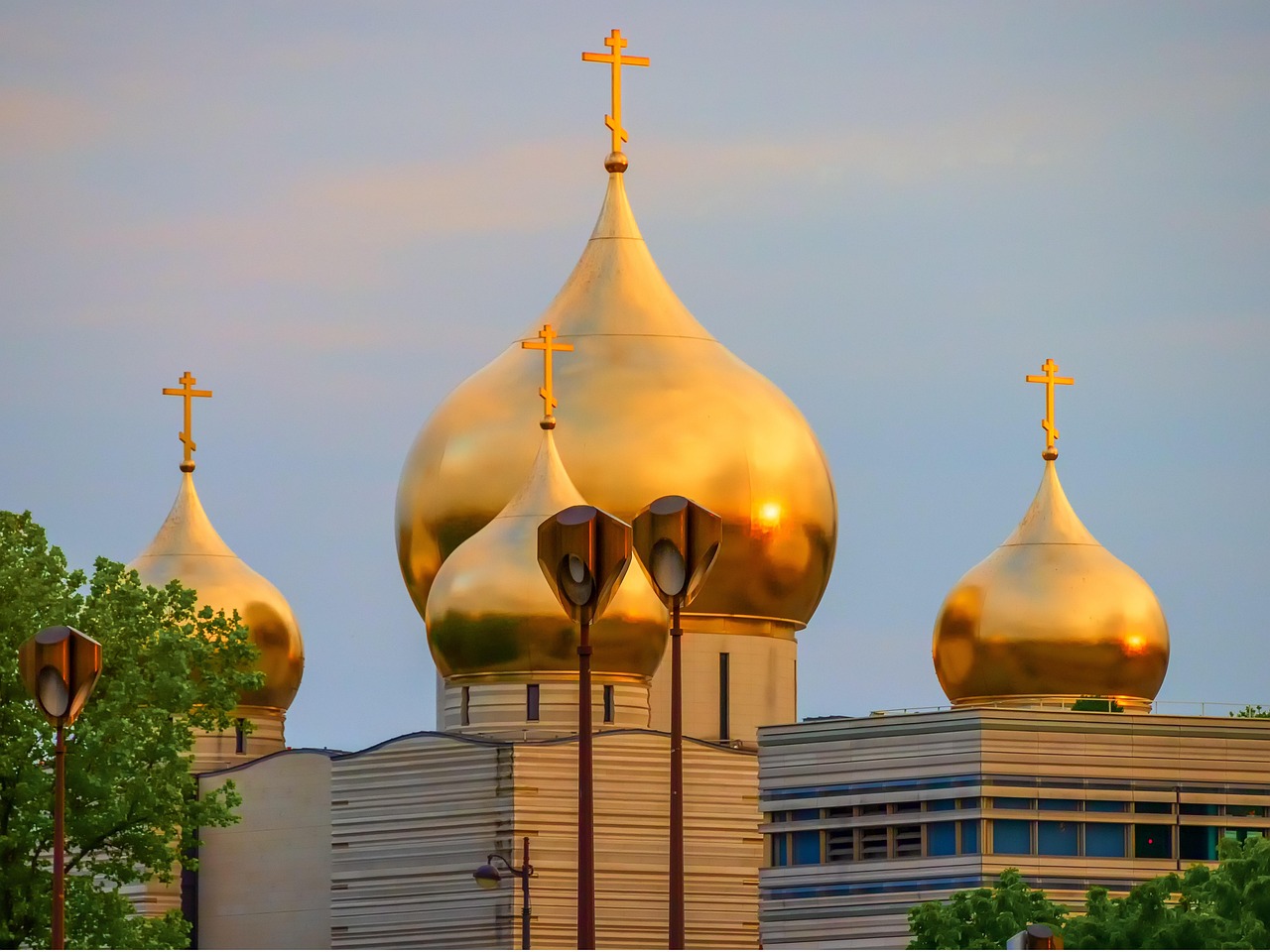
Russia is not alone in recognising the importance of soft power in Africa.
China has built extensive economic and educational relationships across the continent. The United States and Europe still maintain diplomatic, development and security networks, while Turkey, India and Gulf states have also expanded their presence all of which make Africa consequently an increasingly important arena for global competition.
For African countries, however, the issue is less about choosing between competing powers and more about determining how external partnerships serve local interests.
Russia's growing religious presence could bring genuine benefits through theological education, humanitarian assistance and community development. At the same time, African governments and religious authorities will need to ensure that religious institutions remain transparent and that faith communities are not turned into instruments of foreign political competition.
Russia's church expansion may therefore be one of the quieter developments in Moscow's African strategy because it does not generate the same headlines as military agreements, mining deals or diplomatic summits but its strength lies precisely in its ability to operate at community level.
And if Russia succeeds in building a durable network of African clergy, students and congregations, religion could become an increasingly important and overlooked component of Moscow's long-term influence across Africa.






Comments (0)
No comments yet. Be the first to share your thoughts!