


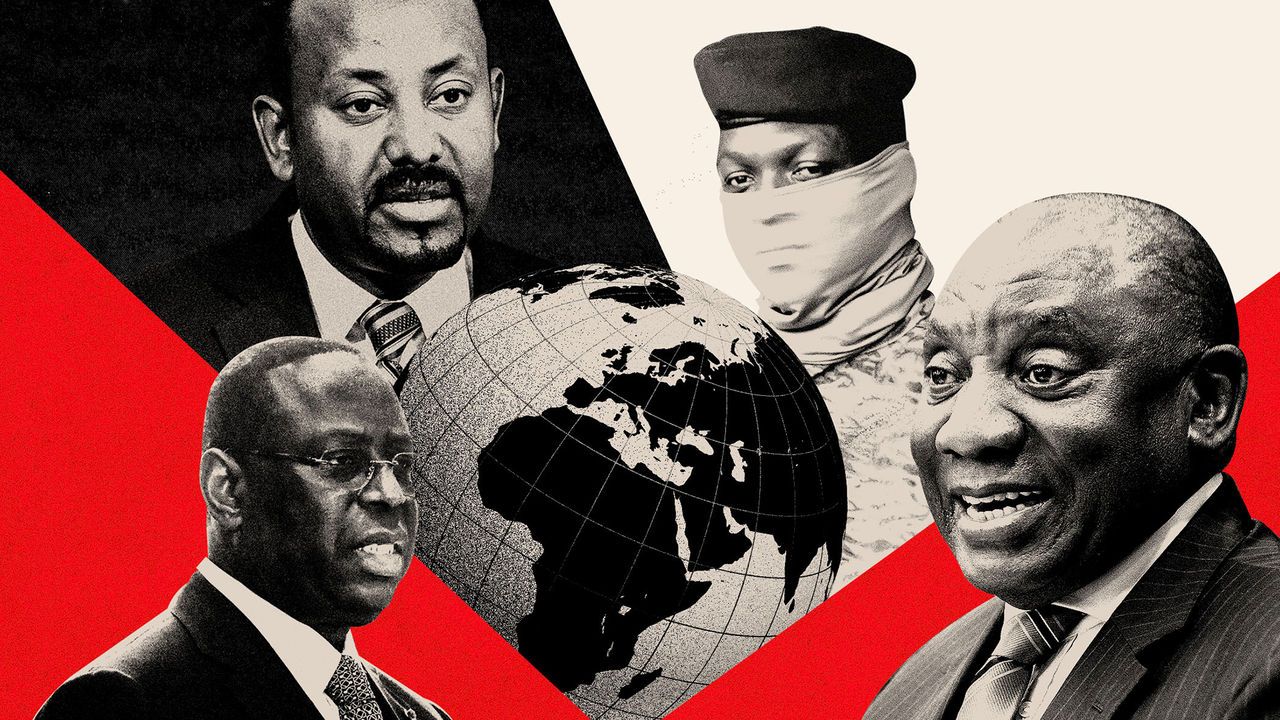
For decades, Africa has been an arena where powerful countries have competed for influence, resources, markets and strategic partnerships. The United States has maintained a significant presence through diplomacy, trade, development programs and security cooperation, while European powers have preserved longstanding political and economic relationships with former colonies.
But the rules of the game are changing.

Across the continent, African governments are increasingly refusing to depend on a single external power. China has built enormous economic relationships across Africa. Russia has expanded its security and political footprint, particularly in parts of the Sahel. Gulf states, Turkey and India have also increased their engagement.
At the same time, African countries are becoming more conscious of their ability to choose among competing partners.
The result is a continent where influence is no longer concentrated in the hands of a few traditional powers.And this could become one of the defining geopolitical stories of the 21st century.
The American Footprint Is Being Challenged
America has never exercised the same type of dominance over Africa that it has exercised in some other regions. Nevertheless, Washington has developed substantial diplomatic and security relationships across the continent.
The United States established AFRICOM in 2007, reflecting the growing strategic importance Washington attached to African security. American engagement has included counterterrorism cooperation, military training, humanitarian assistance, trade and development initiatives. But the geopolitical environment surrounding that engagement has changed. China and Russia have become more active, while some African governments have become increasingly willing to challenge traditional Western partnerships.
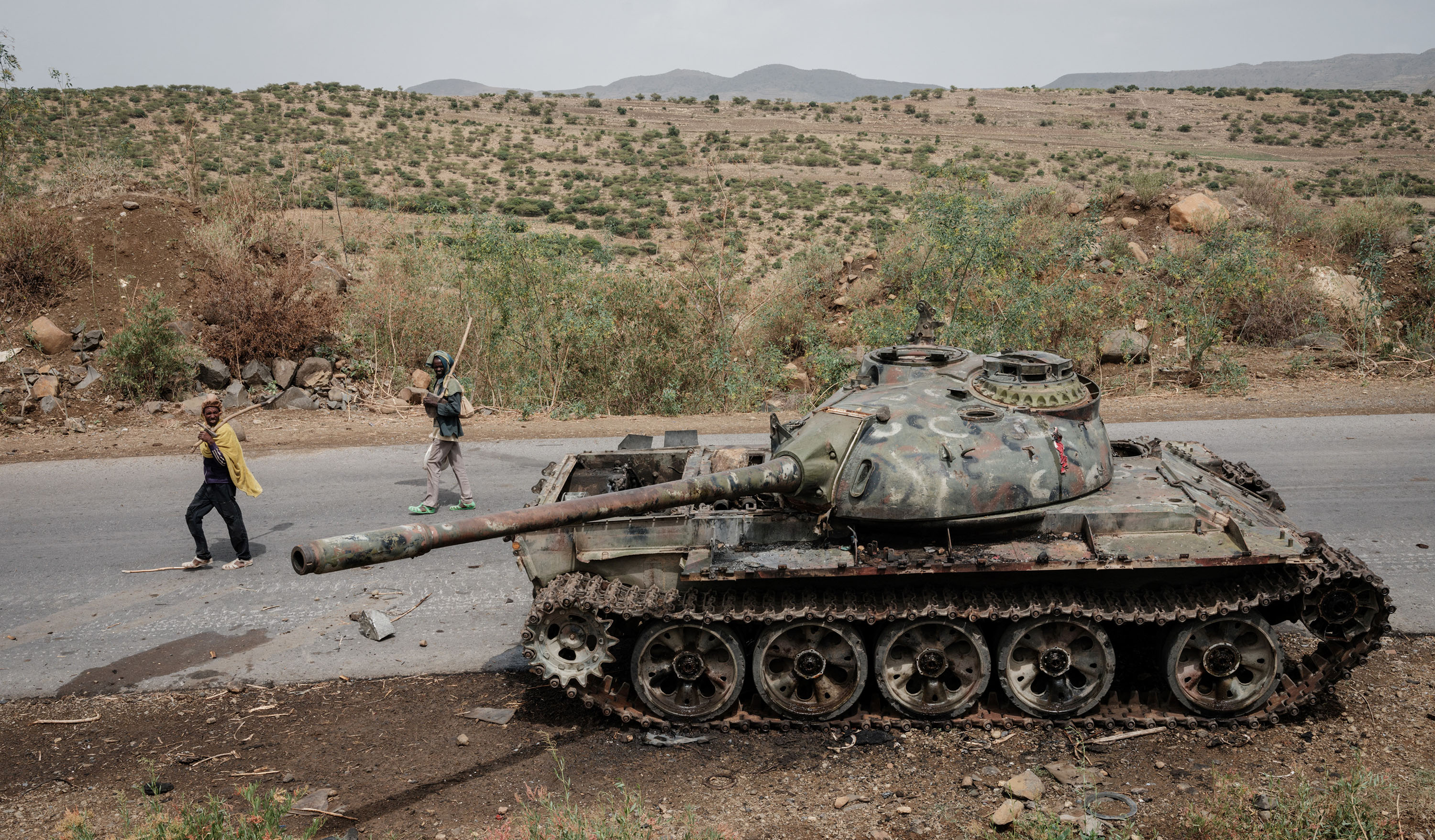
The competition is particularly visible in the Sahel, where military governments in countries such as Mali, Burkina Faso and Niger have moved away from some longstanding Western security relationships while seeking alternative partnerships. Russia has sought a larger security role in parts of the region, including through the Africa Corps, the successor structure to the Wagner Group.
For Washington, the challenge is therefore not simply about military bases or diplomatic influence. It is about relevance.
China Came With Roads, Railways and Trade
If Russia's African strategy has been heavily associated with security, China's influence has been built largely through economics.
China has become sub-Saharan Africa's largest trading partner, with trade exceeding $250 billion in 2023, according to the Council on Foreign Relations. Chinese companies and financial institutions have also played major roles in infrastructure, energy, transportation and telecommunications projects across the continent. This has given Beijing an enormous economic presence. From railways and highways to ports, energy projects and telecommunications infrastructure, Chinese engagement has offered African governments something they urgently need: capital for development.
Russia Is Offering Something Different
Russia has taken a different route.
Moscow's influence has been particularly visible in countries where governments have become frustrated with traditional Western security partnerships. Russia presents itself as an alternative to Western influence and has expanded security relationships in parts of the Sahel and Central Africa. Russian security personnel and the Africa Corps have been active in several African countries, while Moscow has simultaneously sought access to political relationships and natural resources.
But Russia's influence should not be confused with China's economic footprint.
Russia's investment in Africa remains far smaller than China's, while its principal strength has been security and military cooperation. The contrast demonstrates something important, different powers are competing for different forms of influence. China can offer infrastructure and trade. Russia can offer military cooperation. America can offer advanced military capabilities, technology, investment and diplomatic relationships.
Europe remains deeply connected through trade, investment and historical ties.
The African states themselves increasingly have the ability to decide how these relationships fit together.
Africa Is No Longer Just the Prize
This may be the most important part of the story. The traditional way of describing great-power competition in Africa is to ask which country is "winning. "But that question misses something fundamental. Africa is not simply a chessboard.African governments have their own interests, ambitions and competing priorities. They want investment, infrastructure, security, technology, markets and political influence.
They increasingly have opportunities to obtain those things from different partners.
The continent's demographic importance makes this even more significant. By 2050, roughly one-quarter of the world's population is expected to be African, while Africa's working-age population is projected to become the world's largest. That means the continent's importance will extend far beyond its natural resources. Africa will increasingly matter because of its people, consumers, workforce, markets, votes in international institutions and strategic position. The competition for Africa is therefore unlikely to disappear. It is likely to intensify.
The New African Power Game
America is not disappearing from Africa. China has not conquered the continent. Russia does not control the Sahel, and African countries are not becoming uniform allies of any external power. Something more complicated is happening.
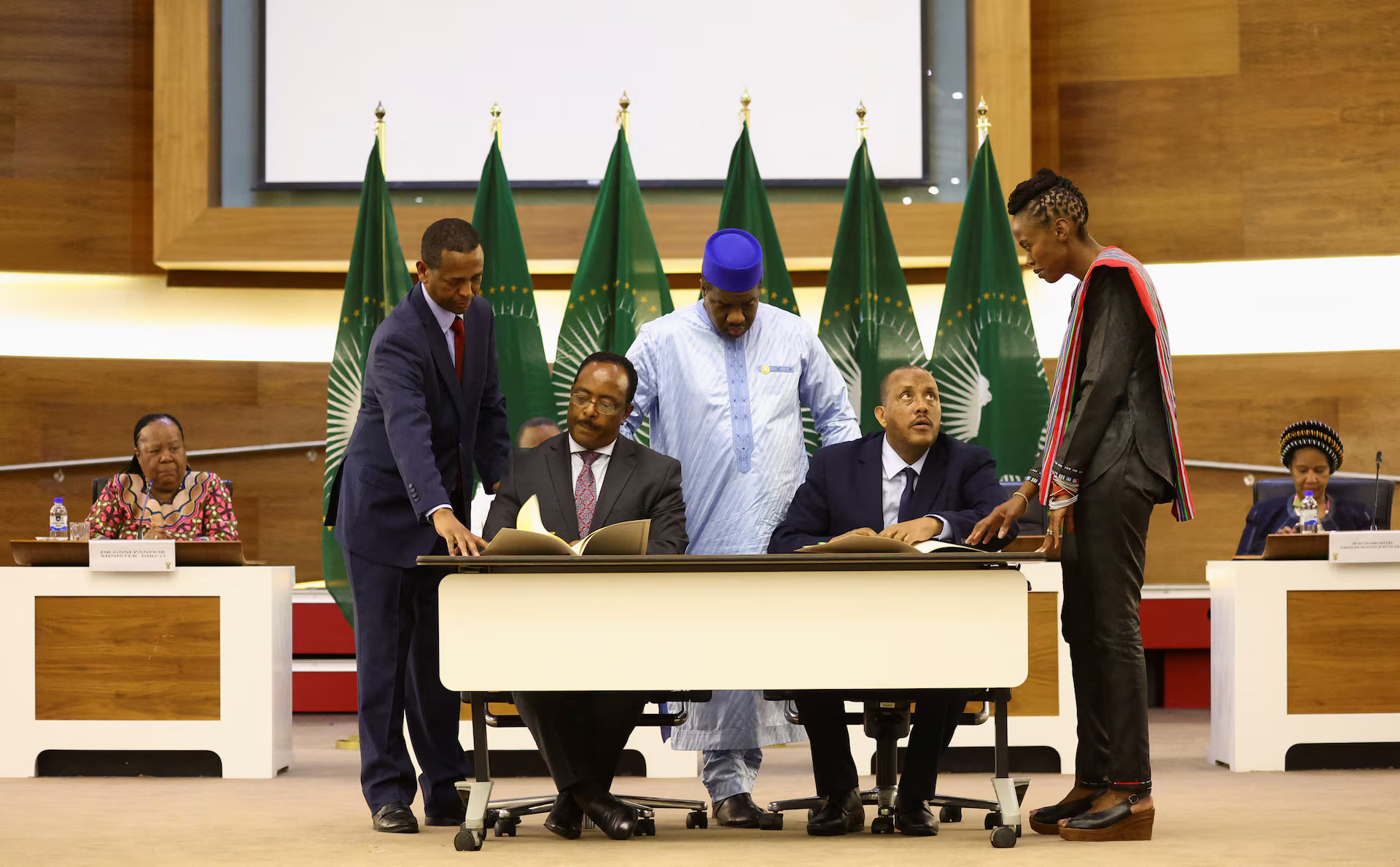
The old model where powerful countries could expect African governments to fall naturally into established spheres of influence is becoming harder to sustain. African states increasingly have choices. And choices create leverage.
A government that can negotiate with Washington, Beijing, Moscow, New Delhi, Ankara or Gulf capitals has more room to pursue its own interests than one dependent on a single external partner. This could ultimately be the most significant transformation of all.
The future of Africa may not be decided by which foreign power becomes dominant.
It may be decided by whether African countries can use this new competition to strengthen their own economies, security and influence.
For decades, the world's great powers competed over Africa. Now, Africa has an opportunity to become a power in the competition itself. The empire may not be disappearing overnight. But the age in which a handful of outside powers could assume that Africa would simply follow their lead is becoming increasingly difficult to sustain.
The scramble for Africa has entered a new errand this time; Africa may have more say in how the game is played.





Comments (0)
No comments yet. Be the first to share your thoughts!