


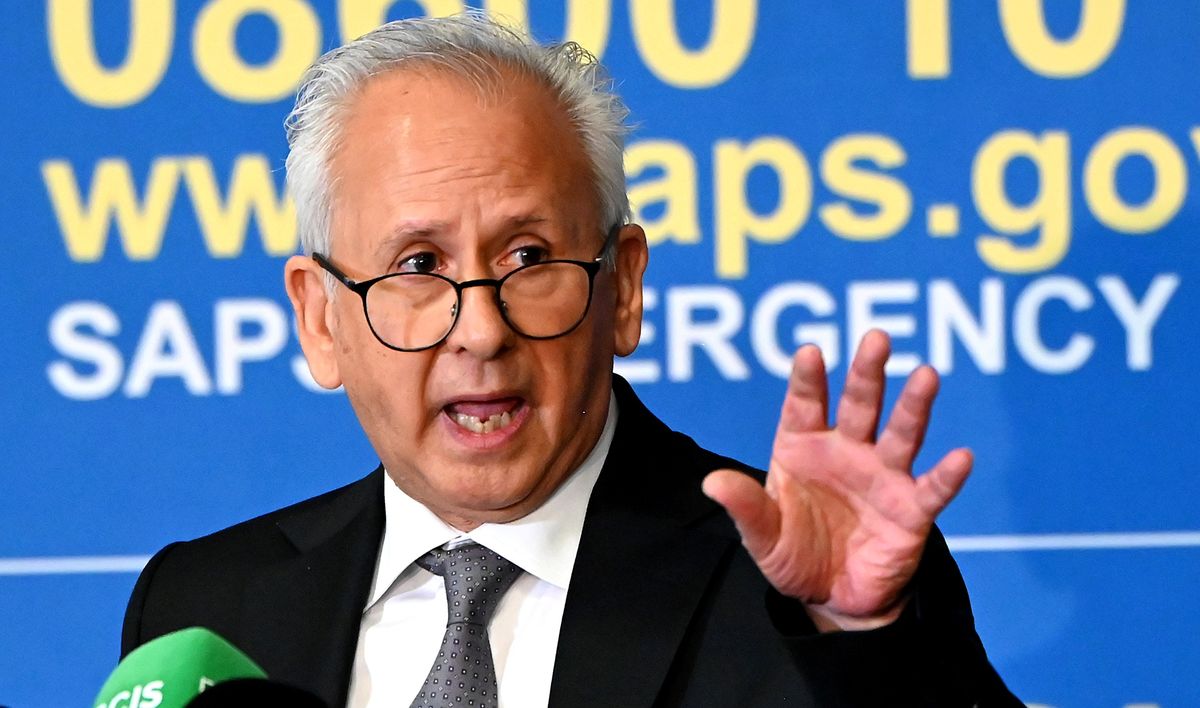
South Africa’s latest official crime statistics show that over three months, 5,590 people were murdered in the country. Referencing to gang killings and violence, Acting Police Minister Firoz Cachalia reminded Parliamentarians that apartheid’s legacy still affected these crimes and that the most affected areas needed development, not just heightened policing.
- 5,590 murders nationally, an increase from 5,427 over the previous three months and lower than the 5,794 murders recorded between July and September last year.
- An average of 60 people killed in the country daily.
- 261 gang-related murders, with the majority, 208, in the Western Cape. (This means the province retains the title of gang violence capital.)
- 15 police officer killings, eight less than the previous three months.
Based on the statistics, the risk of being killed in the Eastern Cape was highest, followed by the Western Cape, then Gauteng. The latter province, Gauteng, had recorded the highest number of murders related to robberies. Acting National Police Minister, wants a serious discussion about critical issues underpinning gang violence – and this will involve uncomfortable truths about apartheid’s corrosive legacy.

“It is not about blaming apartheid,” “But it is also important not to pretend we didn’t have that history… In this country, your chances in life are based on where you are born.” He spoke slowly with what sounded like a hint of frustration – and intense feeling.
South Africa's Q2 murder count fell every year from 2022 to 2026
Number of murders recorded during July–September each year, South Africa, 2022–2026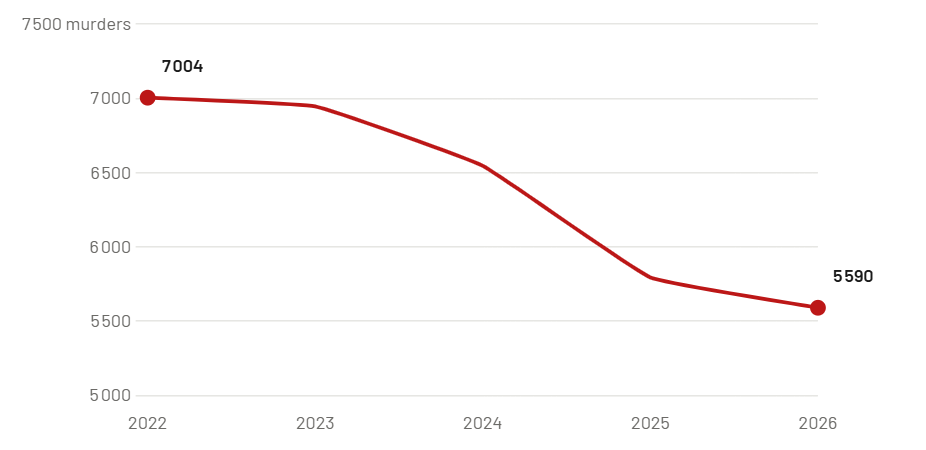
South Africa's July–September murder count has declined every year since 2022, a rare and sustained four-year drop. But with nearly 5 600 killings in a single three-month period, the crisis is diminishing, not resolved — and attempted murder rose 21% over the same stretch.
South Africa's July–September murder count has declined every year since 2022, a rare and sustained four-year drop. But with nearly 5 600 killings in a single three-month period, the crisis is diminishing, not resolved — and attempted murder rose 21% over the same stretch.
Madlanga Moment…
"South Africa’s latest official crime statistics, covering July to September 2026, were released with the national police service in upheaval and undergoing what the government has termed a “reset”. This all started in July 2025 when KwaZulu-Natal Police Commissioner Nhlanhla Mkhwanazi alleged a cartel had infiltrated the criminal justice system, politics and police. The Madlanga Commission of Inquiry was tasked to investigate this, and its hearings and related work have resulted in several police officers being suspended and arrested"
The government has previously described Operation Prosper as involving “members of the South African National Defence Force (SANDF)... working with the [police service] to prevent and combat crime and to preserve law and order, with a focus on illegal mining and gangsterism.” There has been criticism that the army deployment has failed to curb rampant gang violence. The acting Minister, acknowledged that “there was a lot of criticism of Operation Prosper” and said he understood where Parliamentarians were coming from. “But there is also a basic problem with the way the issue of fighting gang violence is being framed” Cachalia added.
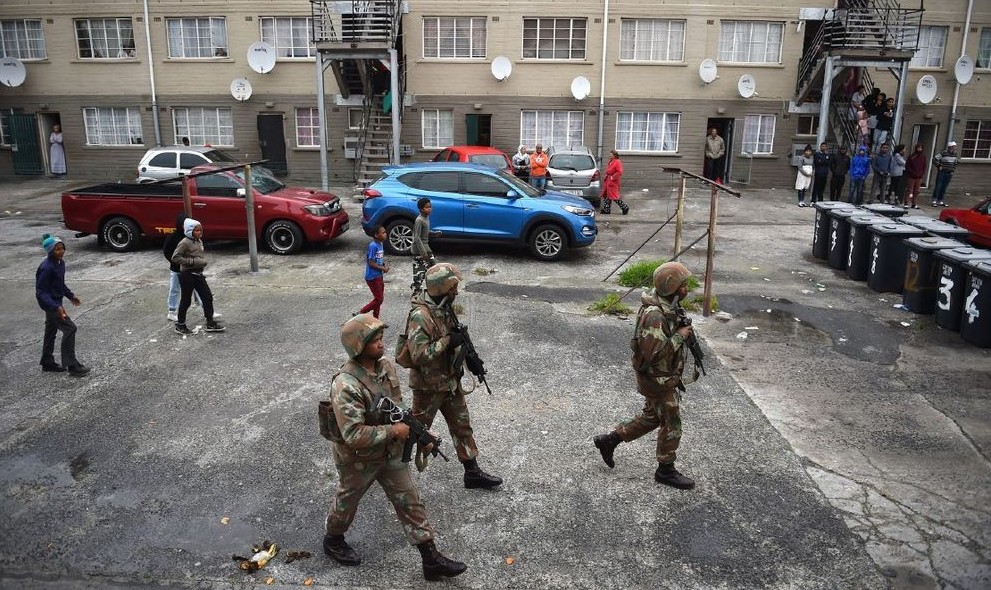
“Here is what is not being focused on: the communities that are being affected by gang violence are the communities that have suffered from the legacy of spatial apartheid, marginalisation, exclusion, lack of opportunity and poor service delivery for generations.”
Attempted Murder Rises While Most Violent Crimes Fall To A Four-Year Low
Year-on-year % change in reported crimes, July–September 2025 vs July–September 2026, South Africa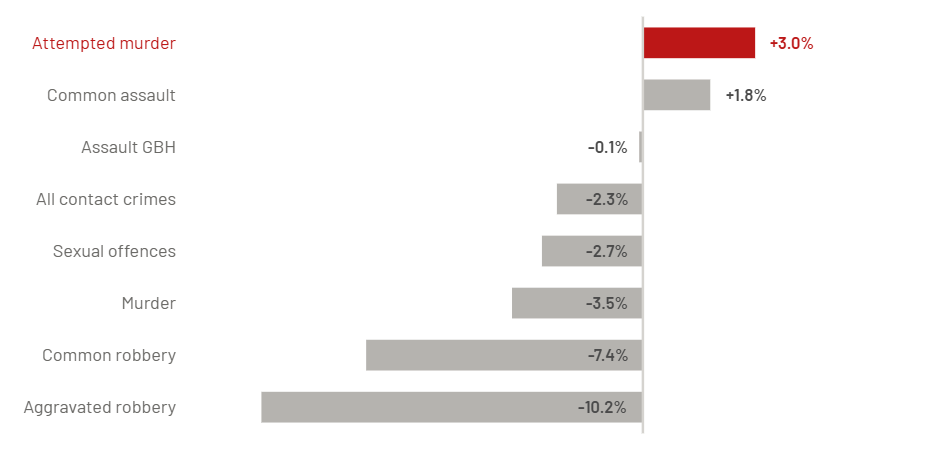
Seven of eight major contact crime categories fell or held flat year-on-year, pushing total incidents to their lowest level in this four-year series. But attempted murder rose for the fourth consecutive year — suggesting that while overall violence is easing, attacks are increasingly intended to kill.
The Reality Is They Need Opportunities
Gang shootings have historically been – and still are – prevalent in apartheid-engineered suburbs where black- and brown-skinned people were forcibly removed under that regime, and which are still more poorly resourced than those areas that were designated for white people. In the Western Cape, apartheid’s Group Areas Act saw non-white residents being forced to live in suburbs known as the Cape Flats.
While home to countless residents not involved in gangsterism, these suburbs are still gangsterism hotspots. In the Western Cape, apartheid’s Group Areas Act saw non-white residents being forced to live in suburbs known as the Cape Flats. While home to countless residents not involved in gangsterism, these suburbs are still gangsterism hotspots. Cachalia said that the neighbourhoods where gang violence was prevalent did not just need law enforcement. “They need development. The young people in those communities need opportunities,” he said. “They need sound public infrastructure. Yes, [they need] police
stations, schools and sport facilities, and I think our political leaders must now focus on that truth, that reality.”
Broader Reality
While gang shootings are prevalent in apartheid-engineered suburbs, these and other crimes associated with gangsterism (like money laundering) play out in, and extend to, wealthier suburbs, where gang bosses are known to reside.
More Serious Discussion Needed
Cachalia said that despite the criticism of the SANDF deployment, it had resulted in “a substantial increase in the arrest rate”. He said President Cyril Ramaphosa had rightly signed off on the army being dispatched to violent hotspots. The deployment was necessary because it was “to provide some stability and protection to the community while we take steps to implement and organise crime strategy, which is what we are doing”. He acknowledged that gang violence was ongoing but reiterated that the issues underpinning it also needed to be tackled, or else the scourge would simply remain. “So, let’s have a more serious discussion about dealing with gang violence in the country,” Cachalia added.
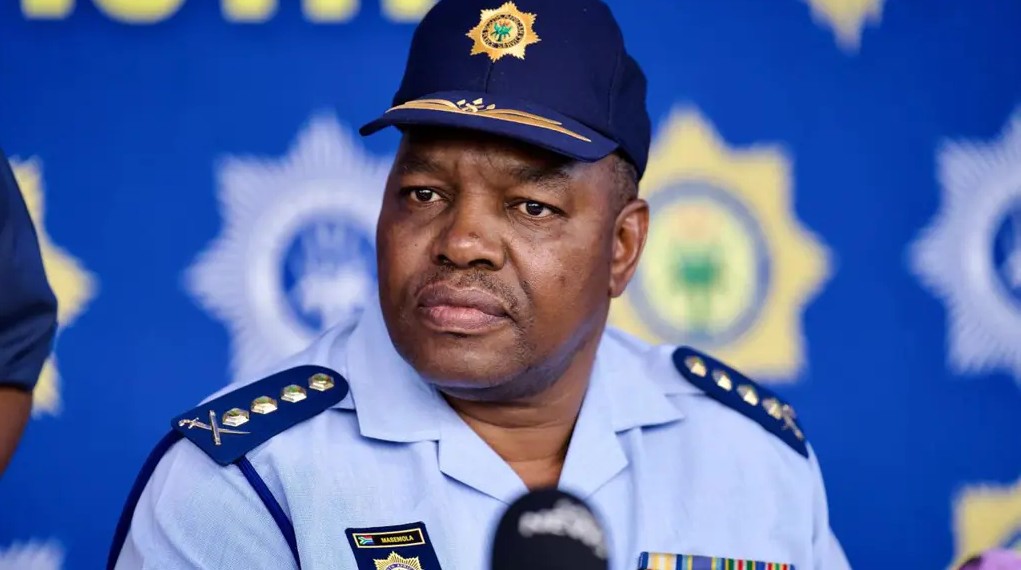
Fifteen Major Drug Factories Uncovered
National Police Commissioner Fannie Masemola also spoke at Friday’s latest crime statistics release, saying that festive season policing operations were in full swing. He then addressed an issue that ties into gangsterism – illicit drugs. Masemola said that over the past year, 15 massive multimillion-rand drug factories had been uncovered in the country and 60 suspects, including from Mexico, had been arrested.
“It shows that our efforts are yielding results,” Over 72 hours, a major drug factory that is manufacturing – Mandrax, the police had uncovered in Umvoti near Kranskop, KwaZulu-Natal, on Wednesday, 18 November, has been dismantled, and a suspect arrested, and drugs, chemicals and equipment worth about R100-million were seized, and the information that led to the discovery of the drug factory came from the Crime Intelligence unit in the Western Cape.
That is because of violence concentrated in apartheid-engineered suburbs that did not have the same resources – opportunities – as wealthier ones. Cachalia now wants to expand focus to these areas so that the issues can be addressed.
Article Credit – Daily Maverick
















Comments (0)
No comments yet. Be the first to share your thoughts!