


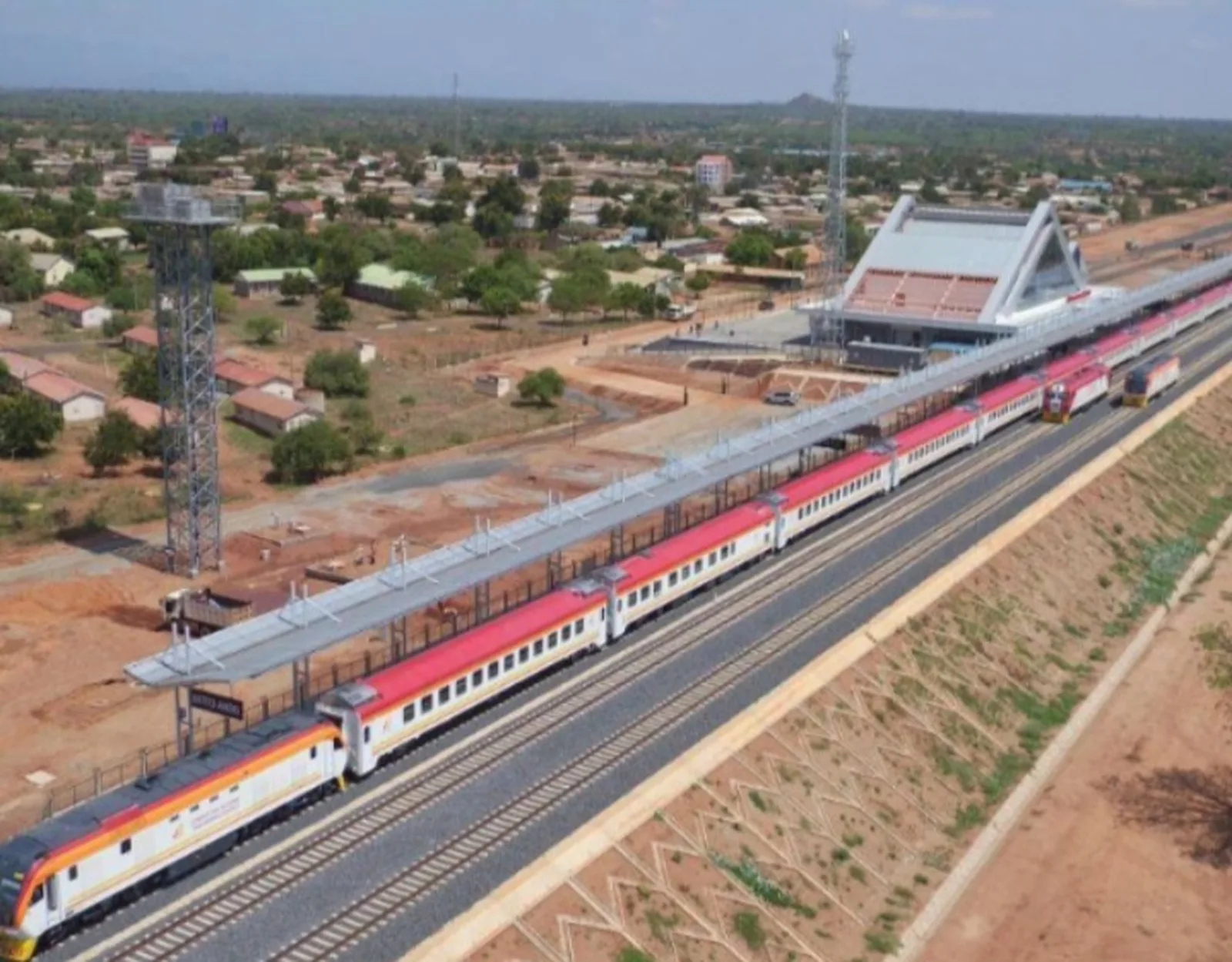
China's Belt and Road Initiative has changed the face of infrastructure development across Africa. From railways and highways to ports, power plants and digital networks, Chinese financing and construction companies have helped African governments build projects that had remained out of reach for decades. But behind the new roads and railway lines is a more complicated story involving debt, trade, jobs, natural resources and China's growing influence on the continent.

What exactly is China's Belt and Road Initiative?
China launched the Belt and Road Initiative in 2013 under President Xi Jinping. The idea was to improve connections between China, Asia, Africa, Europe and other parts of the world through infrastructure and trade.
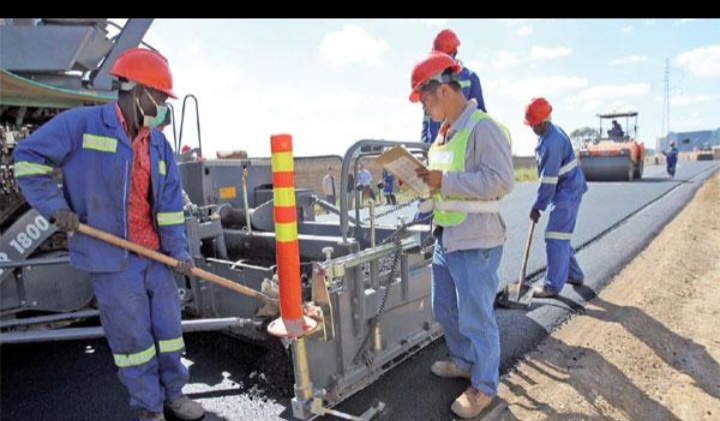
In Africa, the initiative has mainly appeared through major projects such as railways, highways, ports, power plants, industrial parks and telecommunications infrastructure.
For many African governments, the attraction is obvious.
Africa has a huge infrastructure gap. Many countries need better roads, reliable electricity, modern ports and efficient railway systems, but governments often struggle to raise enough money to build them.
China entered that gap with financing, construction companies, engineers and equipment.
The result is that Chinese companies have become some of the most visible builders of major infrastructure projects across the continent.
Railways have become the face of China's African investment
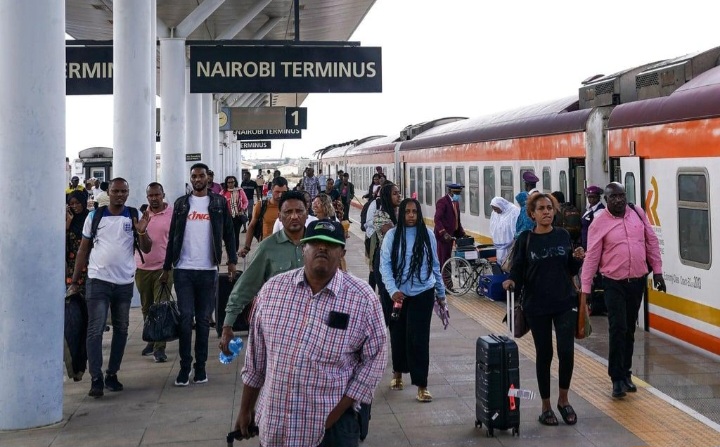
One of the clearest examples is Kenya's Standard Gauge Railway, commonly known as the SGR.
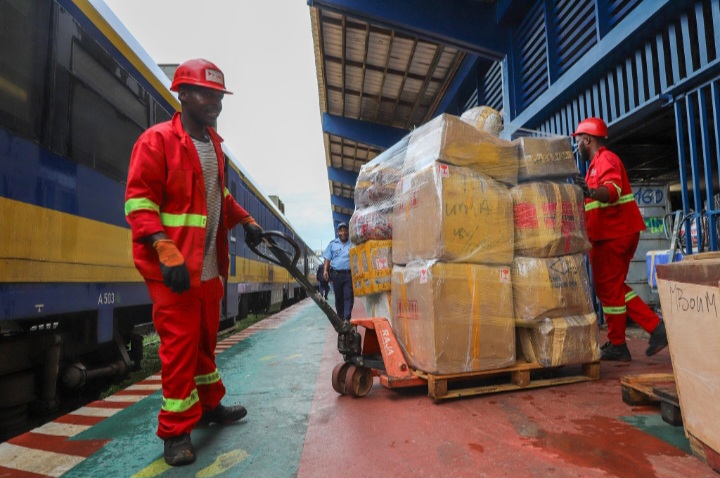
The railway connects Mombasa, Kenya's main port, with Nairobi. The 472-kilometer line was built by China Road and Bridge Corporation and opened in 2017.
The project was designed to provide a faster alternative to road transport and modernize a railway system that had deteriorated over many decades.
It is one of the most visible examples of the Belt and Road Initiative in Africa.
But the railway also illustrates why China's infrastructure model is difficult to judge as simply "good" or "bad."
On one side, the railway has provided faster passenger transport, moved cargo between Mombasa and Nairobi and created economic activity around its stations.
On the other, Kenya borrowed heavily to finance the project, creating a long-running debate about whether the economic benefits are large enough to justify its cost.
Research on the SGR has identified both benefits and concerns involving employment, debt sustainability and the wider economic impact of the project.
The impact goes beyond Kenya
Kenya is not alone. China has been involved in major railway projects in Ethiopia, Djibouti, Nigeria, Angola and other African countries.
The Addis Ababa-Djibouti railway, for example, connects Ethiopia's capital with Djibouti, giving landlocked Ethiopia an important transport route to the sea.
The railway was built with Chinese involvement and is part of a wider effort to improve regional connectivity.
In Angola, Chinese companies rebuilt sections of the Benguela Railway, linking the interior to the Atlantic coast.
These projects are important because Africa's infrastructure problems are not only national problems.
A factory in Ethiopia needs access to a port. A farmer in Uganda needs roads to reach markets. A mining company in Zambia or the Democratic Republic of Congo needs railways to move minerals.
Better regional infrastructure can therefore make African economies more connected. That is one of the strongest arguments in favor of the Belt and Road Initiative.
Better infrastructure can create economic opportunities
Infrastructure is more than concrete, steel and trains.
A new road can reduce the time it takes to transport food.
A railway can move large quantities of goods more efficiently.
A modern port can make it easier for businesses to import machinery and export products.
Electricity projects can allow factories to operate more reliably.
These improvements can help businesses become more competitive.
China's infrastructure model has therefore appealed to African governments that want visible development projects within relatively short periods.
The Brookings Institution has noted that BRI projects can help countries address infrastructure shortages and potentially support economic growth, although their results differ significantly from one country to another.
This difference is important.
There is no single "African experience" with China. A project that works well in one country may struggle somewhere else because of differences in government planning, debt levels, corruption, economic conditions and the ability to operate and maintain the infrastructure.
But who pays for all this infrastructure?
This is where the story becomes more complicated.
Many Chinese infrastructure projects have been financed through loans rather than grants.That means African governments have to repay the money, sometimes over many years.
Debt itself is not necessarily bad.
Countries borrow money to build infrastructure all the time. If a new railway or power plant generates enough economic activity, the investment can eventually help pay for itself.
The problem comes when an expensive project fails to generate enough revenue or economic growth to cover its costs.
AidData has found that debt exposure to China is substantially larger than previously understood in many developing countries. Its research also found that a significant share of BRI infrastructure projects have experienced implementation problems, including corruption allegations, labor disputes, environmental risks and public protests.
This does not mean that every Chinese loan is dangerous. It means African governments need to ask difficult questions before signing major infrastructure agreements.
How much will the project cost?
How much will the country borrow?
What interest rate will apply?
Who will operate the project?
How much revenue is expected?
What happens if the project does not generate enough money?
And most importantly, will the infrastructure strengthen the wider economy?
Is China putting Africa into a "debt trap"?
The phrase "debt-trap diplomacy" has become one of the most controversial descriptions of China's relationship with Africa.
Critics argue that China can provide large loans for expensive projects that leave developing countries heavily indebted.
But researchers caution against treating every Chinese-financed project as evidence of a deliberate debt trap.
Brookings research, for example, has found that African experiences with Chinese financing are very different. Some major borrowers have serious debt problems, while others have incorporated Chinese loans into broader economic programs without the same level of difficulty.
The reality is therefore more complicated than the slogan.
African governments also make their own decisions.They decide which projects to approve, how much to borrow and how contracts are negotiated.
The bigger question should not simply be whether China is lending money.
It should be whether African countries are getting enough economic value from what they borrow.
Jobs: A major promise with mixed results
Another major issue is employment.
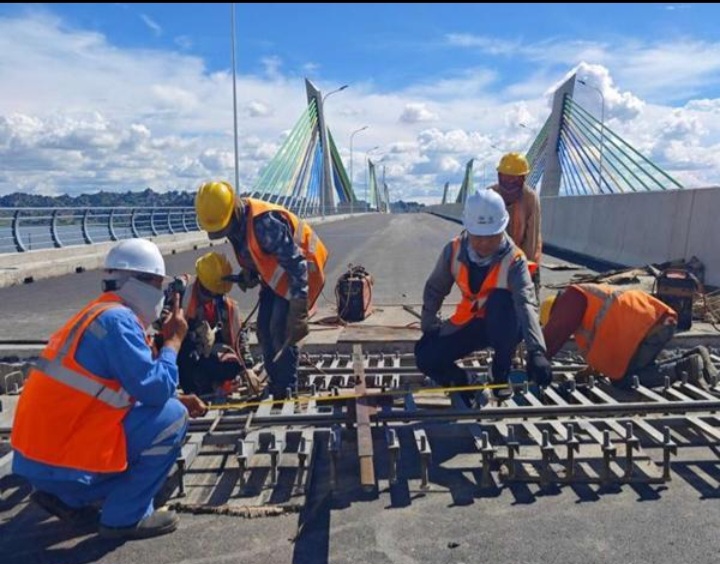
Large construction projects create jobs. Roads need workers. Railways need engineers. Power plants need technicians.
Chinese companies have employed African workers on many projects, while also bringing Chinese managers, engineers and skilled workers.
This has sometimes caused tension. Critics argue that African countries should receive more technology transfer and skilled employment rather than simply providing labor for construction projects.
There is also a bigger question: what happens after construction ends?
A project can employ thousands of people during construction but create far fewer permanent jobs afterward.
For Africa, the greatest benefit would come if infrastructure helped create industries that remain after the construction crews leave.
That means governments need to connect infrastructure investment with manufacturing, agriculture, tourism, technology and local businesses.
China's relationship with Africa is also about trade
Infrastructure makes it easier to trade. And trade is at the heart of China's relationship with Africa.
China needs resources and markets. Africa has oil, copper, cobalt, lithium, iron ore and other valuable resources, as well as a rapidly growing population.
China, meanwhile, has enormous manufacturing capacity.This creates a natural economic relationship.
African countries can export commodities to China while importing machinery, vehicles, electronics, construction equipment and consumer goods.
The danger is that Africa could remain mainly a supplier of raw materials while China supplies the manufactured products.
That would reproduce a problem African economies have struggled with for decades.
The better outcome would be for African countries to process more of their own resources and manufacture more goods locally.
For example, instead of exporting raw minerals and importing finished products, African countries could develop processing plants, battery industries and manufacturing facilities.
That would create more jobs and keep more value inside Africa.
China is changing what it builds in Africa
The Belt and Road Initiative is also changing.
China's overseas infrastructure lending is no longer focused only on giant highways, railways and coal power plants.
There is growing attention to renewable energy, digital infrastructure, manufacturing and other sectors.
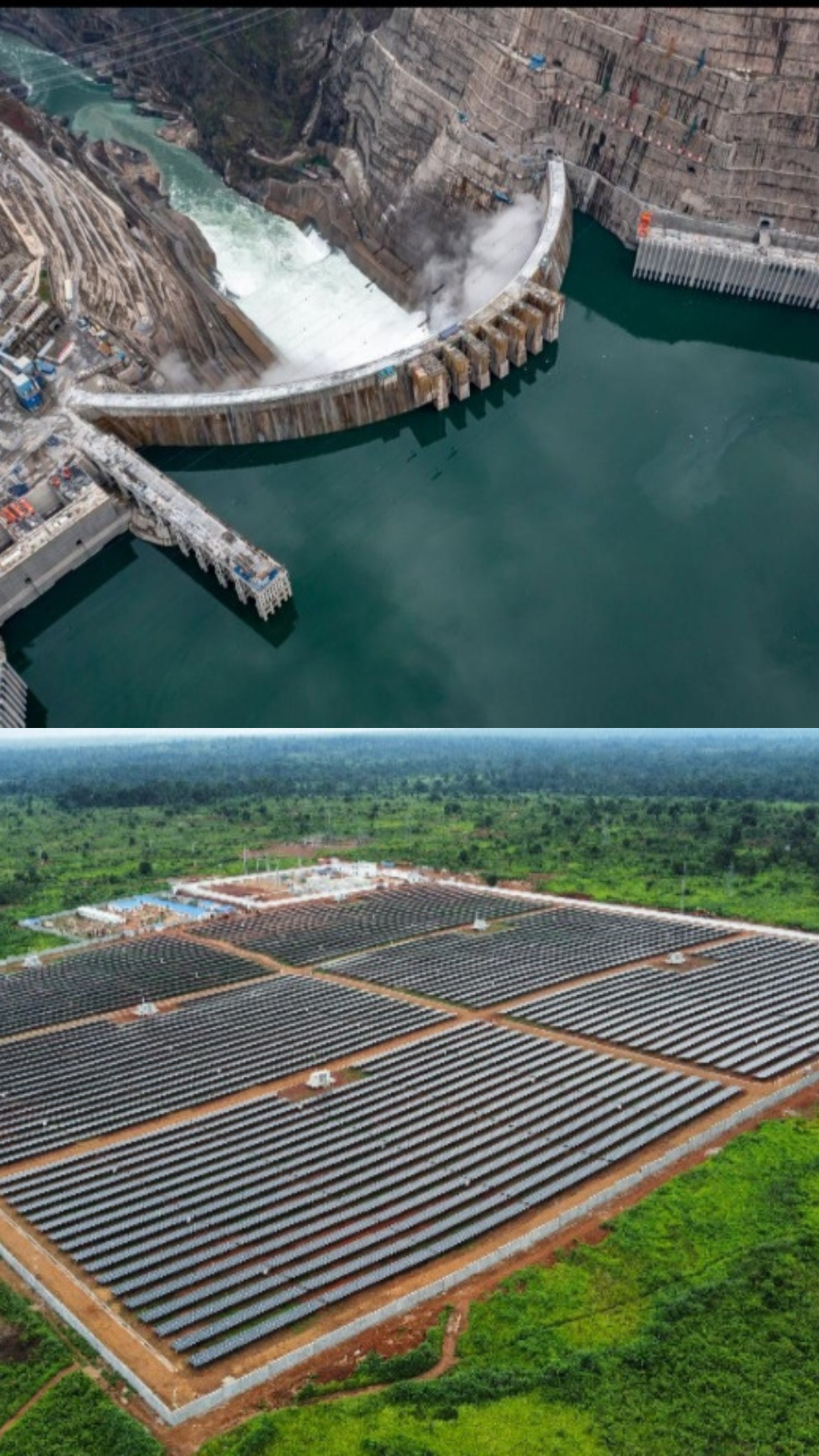
Recent research shows a significant increase in Chinese green-energy activity under the BRI. In the first half of 2026, Chinese BRI green-energy deals reached a record level globally, while African participation in Chinese investment also increased.
That could become particularly important for Africa.
The continent has enormous solar, wind and hydroelectric potential, but millions of people still lack reliable access to electricity.
Chinese companies have already participated in solar, hydro and other energy projects across Africa.
But environmental concerns remain
Large infrastructure projects can transform economies, but they can also transform the environment.
Roads can cut through forests.
Dams can change rivers.
Railways can cross wildlife habitats.
Mining projects can damage ecosystems if they are poorly regulated.
AidData's research into perceptions of Chinese-backed development projects found particularly strong environmental concerns among African leaders. About half of surveyed African leaders reported negative environmental effects associated with Chinese-financed projects.
China has responded to some of these concerns by emphasizing greener development and reducing support for certain high-carbon overseas projects.
But the responsibility does not belong to China alone. African governments must enforce their own environmental laws.
Environmental impact assessments should not become paperwork completed only because a project requires them.
Communities affected by major projects should also have a meaningful voice.
China's growing influence is another part of the story
There is also a political side to the Belt and Road Initiative.
The more infrastructure China builds, the deeper its economic relationship with African countries becomes.
Railways require Chinese equipment.
Power plants may depend on Chinese technology.
Telecommunications networks can create long-term relationships with Chinese companies.
African governments also become more connected to Beijing through trade, diplomatic cooperation and financing.
China's broader strategy is not purely charitable.
Researchers have identified economic and strategic reasons behind the BRI, including expanding trade, creating markets for Chinese companies, strengthening diplomatic relationships and improving access to resources.
That does not automatically make China's involvement harmful.
Countries cooperate because both sides expect to gain something.
But African governments need to understand the interests of every partner they work with.
China has interests.
So do the United States, Europe, Gulf states, India, Turkey and other international partners.
Africa's goal should be to negotiate from a position of strength rather than becoming dependent on one major power.
What does this mean for ordinary Africans?
For ordinary people, the debate about the Belt and Road Initiative is ultimately about one question:
Has the infrastructure improved people's lives?
A railway matters if it makes transportation easier and cheaper.
A road matters if farmers can get their products to market.
A power plant matters if homes and businesses receive reliable electricity.
A port matters if it helps African companies export more products.
And a loan is worthwhile only if the economic benefits justify the cost of borrowing.
This is why measuring China's impact only by the number of bridges, railways or roads built can be misleading.
The real measure is what those projects produce years later:
Do they create businesses?
Do they generate jobs?
Do they increase exports?
Do they improve productivity?
Do they connect African countries to one another?
Do they help countries move from exporting raw materials to manufacturing finished goods?
Those are the questions that will determine whether the Belt and Road becomes a development opportunity or another cycle of expensive infrastructure without enough economic returns.
Africa should not reject China — but it should negotiate better
China's involvement in Africa is unlikely to disappear. If anything, the relationship is becoming more diverse.
Chinese companies are moving into manufacturing, electric vehicles, renewable energy, mining, telecommunications and technology alongside traditional infrastructure.
Recent developments in Africa's automobile industry show this shift. Chinese automakers are increasingly looking at local manufacturing rather than simply exporting vehicles to African consumers.
That could create a new opportunity. Where African countries can use their large markets and natural resources to demand more local production, skills training and technology transfer.
Instead of asking only, "How much money will China lend us?" governments could ask:
How many African jobs will this project create?
How much of the work will be done locally?
Will African companies join the supply chain?
What technology will remain in the country?
How much value will be added before our resources leave Africa?
These questions could determine the next phase of China-Africa relations.
The bigger picture
China's Belt and Road Initiative has brought something Africa has desperately needed for decades: capital and construction capacity for large infrastructure projects.
It has helped build railways, roads, bridges, ports and energy facilities that would otherwise have taken much longer to finance.
But infrastructure alone cannot transform Africa.
A railway cannot create prosperity if there are no industries around it.
A highway cannot eliminate poverty by itself.
A power plant cannot create jobs if businesses cannot afford electricity.
And a loan cannot be called development simply because it pays for a large project.
Africa's challenge now is to turn infrastructure into productive economies.
China can be an important partner in that process, but it cannot be Africa's only partner.
The strongest future for the continent may be one in which African governments use competition between China, Europe, the United States, India, the Gulf states and other investors to negotiate better deals.
The Belt and Road has already changed Africa's physical landscape.
The question now is whether Africa can turn those roads, railways, ports and power plants into something even more valuable: economies that create wealth, jobs and opportunities for Africans themselves.
The question now is whether Africa can turn those roads, railways, ports and power plants into something even more valuable: economies that create wealth, jobs and opportunities for Africans themselves.










Comments (0)
No comments yet. Be the first to share your thoughts!