



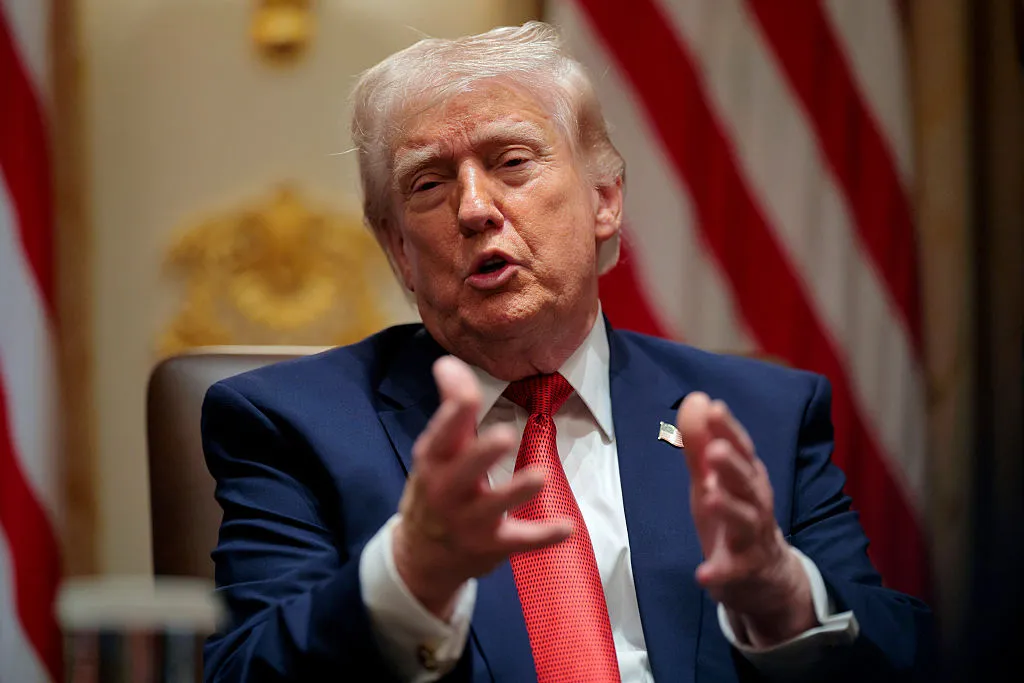
The new measures, enacted under Section 301 of the US Trade Act of 1974, come after the Office of the United States Trade Representative (USTR) determined that South Africa had not adequately enforced prohibitions on imports of goods produced with forced labour. A senior Trump administration official described the move as "the most sweeping international labour rights action the United States has ever taken—that any country has ever taken".
South Africa Placed in Highest Tariff Tier
South Africa has been grouped in the upper tariff tier alongside major economies such as China, Japan, and South Korea. The decision follows months of investigations, consultations, public hearings, and over 1,600 written submissions.

Announcing the decision, US Trade Representative Ambassador Jamieson Greer said: "President Trump recognises that decades of moral suasion have not eradicated forced labour from global supply chains. The United States has had a forced labour import ban for nearly a century, and rigorously enforces it; it's well past time for our trading partners to do the same".
The USTR launched investigations into 60 economies on 12 March 2026 at the direction of President Donald Trump. Public hearings were held in April, while officials consulted with more than 45 governments, including South Africa.
South Africa's Diplomatic Effort Fails to Secure Exemption
The South African government made concerted diplomatic efforts to avoid the tariffs. A delegation led by the Department of Trade, Industry and Competition (DTIC) appeared before the USTR during the public hearings to argue that South Africa already has robust legislation prohibiting forced labour and the importation of goods produced under such conditions.
"In the oral testimony, South Africa emphasised that the country has laws that prohibit forced labour and that the country has ratified the relevant International Labour Organisation fundamental Conventions," the DTIC said.
The department argued that South Africa's International Trade Administration Act empowers the government to prohibit or restrict imports where necessary, and the Customs and Excise Act allows the South African Revenue Service to stop, detain and seize prohibited goods at the country's borders . South Africa also noted that it already bans products made through prison labour under Section 113 of the Customs and Excise Act.
Pretoria requested exemptions for key exports, including platinum group metals, vehicles, citrus, seafood, wine, and nuts, arguing there was no evidence they were produced using forced labour. Despite these arguments, Washington proceeded with the tariffs without granting exemptions for South African exports.
Impact on Key Export Industries
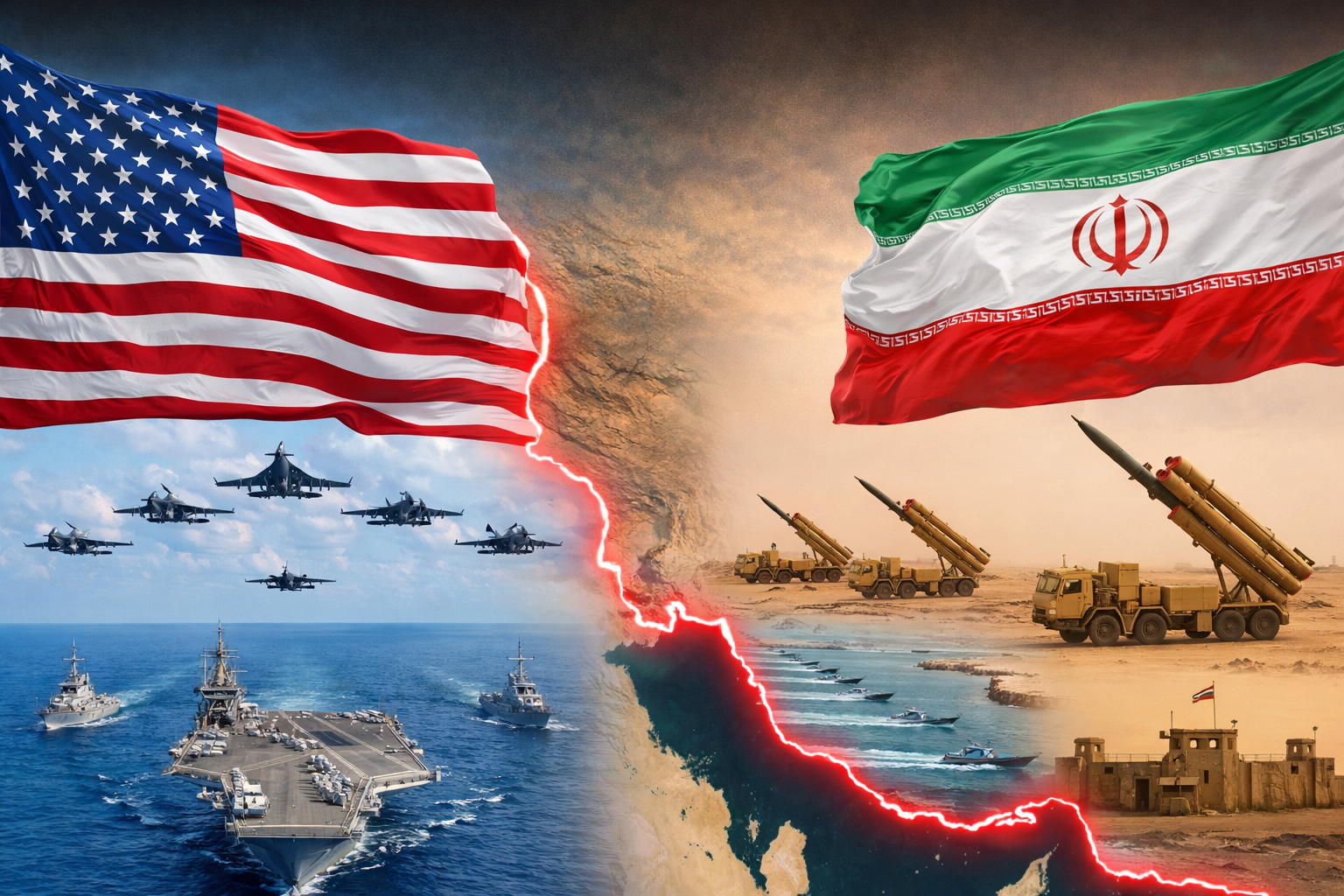
The 12.5% tariff is expected to affect several of South Africa's largest export industries to the United States, including automotive manufacturing, agriculture, metals, and broader manufacturing. The move comes at an already difficult moment in Pretoria's relationship with the Trump administration, which has previously excluded South Africa from this year's G20 summit and imposed a 30% tariff on South African imports.
However, some products have been excluded from this round of tariffs. Goods already subject to separate US sector-specific duties, including steel and aluminium, certain fertilisers, and energy products, will not be subject to the additional Section 301 levy.
Trade Relations Under Strain
The decision marks another setback in trade relations between Pretoria and Washington, with concerns that the additional costs could reduce the competitiveness of South African exports in one of the country's key international markets. South Africa has long benefited from duty-free access to the US market under the African Growth and Opportunity Act (AGOA), a trade program that has supported billions of dollars in exports from sub-Saharan Africa. The program is due to expire unless renewed by the US Congress.
Trade Minister Parks Tau has said the United States remains an important trading partner and that the government would continue bilateral engagements on matters of interest, including the Section 301 investigations, the renewal of AGOA, and existing US tariffs on steel, aluminium, and automobiles.
The White House says the tariffs are designed to protect American workers, but critics argue the measures are viewed as its latest effort to preserve its broader protectionist trade agenda after the courts blocked its earlier approach. The move has also drawn international criticism, with German Foreign Minister Johann Wadephul recently stating: "To exclude South Africa means sidelining an important African voice and a regional economic and political powerhouse".
Despite the immediate imposition of the tariffs, South Africa has indicated it will continue diplomatic efforts to address the trade dispute. Relations between Washington and Pretoria have become increasingly strained with repeated tensions over trade and foreign policy in recent years, including disagreements over tariffs, South Africa's domestic policies, and differing positions on several conflicts, including the war in Gaza. The long-term impact of these tariffs will depend on further diplomatic engagement and whether South Africa can successfully address the US concerns regarding forced labour enforcement.
With reporting from BusinessTech, SABC News, AP News, EWN, ChannelAfrica, SAnews.gov.za, and the Department of Trade, Industry and Competition.




Comments (0)
No comments yet. Be the first to share your thoughts!