

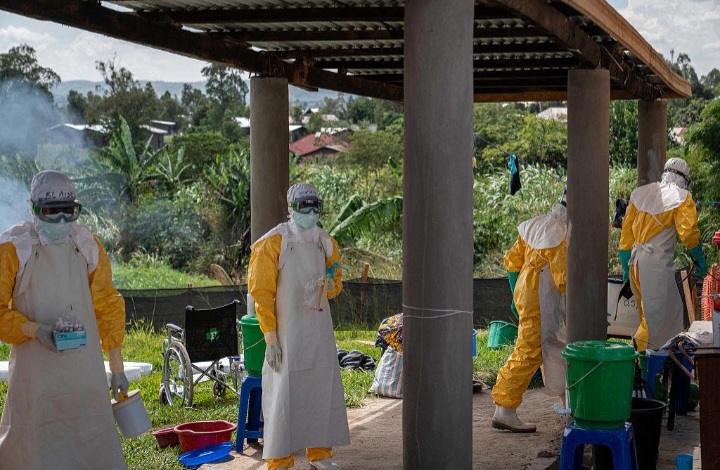
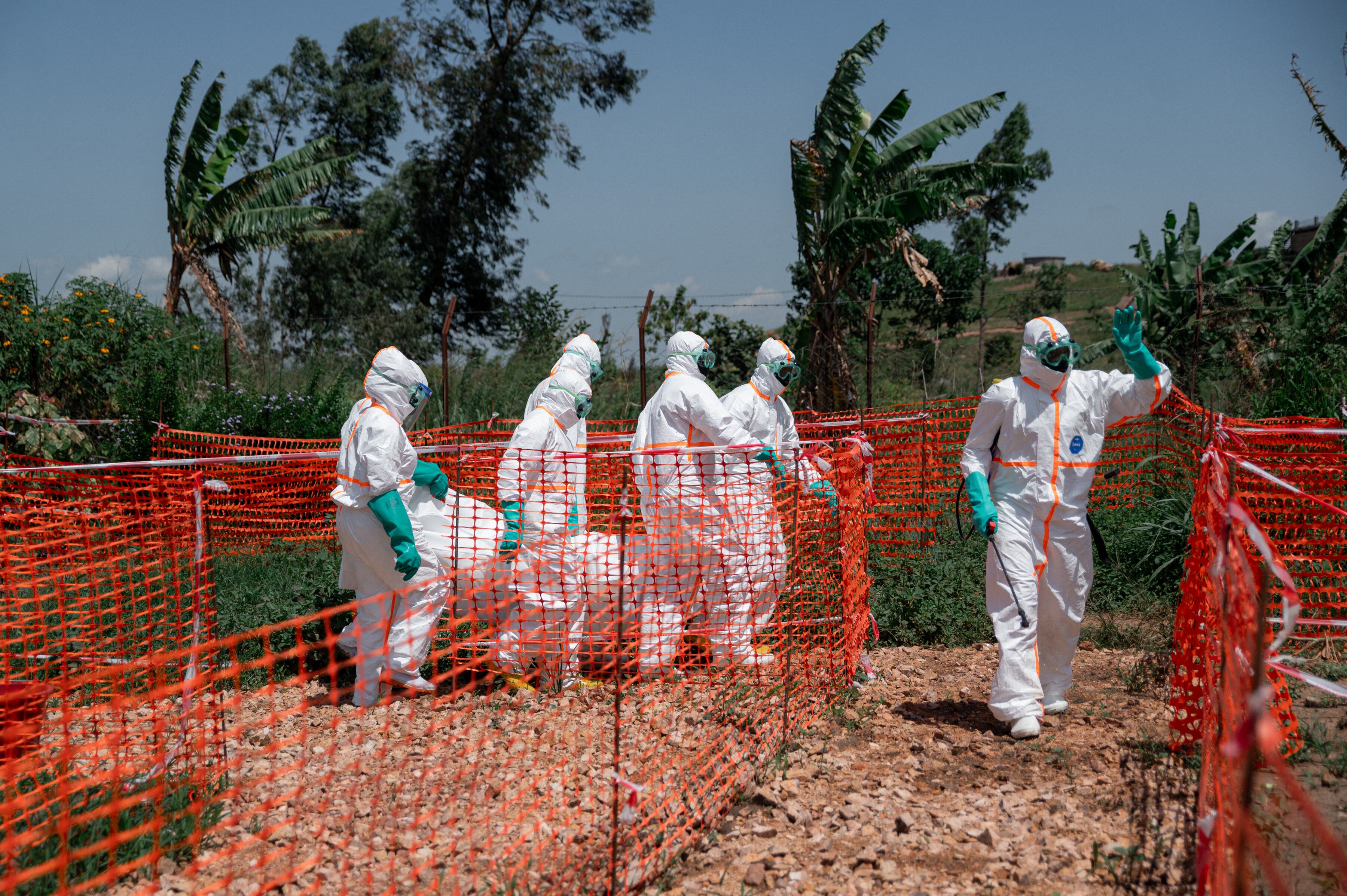
The Democratic Republic of Congo is facing its deadliest Ebola outbreak on record. More than 2,500 people have died and over 5,000 confirmed cases have been reported as the disease spreads across a growing area of eastern and northeastern Congo. The outbreak is being driven not only by the virus itself, but also by conflict, population movement, limited disease surveillance, attacks on health workers, misinformation and shortages of resources.

A rapidly escalating outbreak
The Democratic Republic of Congo (DRC) is experiencing an Ebola outbreak unlike any it has faced before.
As of August 20, Congolese authorities had reported 5,290 confirmed cases and 2,516 deaths, according to the European Centre for Disease Prevention and Control, using data through August 19. Another 837 patients were hospitalized in isolation.
The figures have risen extraordinarily quickly. On August 17, Reuters reported 4,945 confirmed cases and 2,325 deaths. Just days later, the reported death toll had passed 2,500.
UN officials now describe the outbreak as spreading “exponentially.” The affected area has expanded across a region larger than France, raising fears that the response is struggling to keep pace with transmission.
The outbreak is already the deadliest Ebola outbreak in the history of the DRC, surpassing the country's 2018–2020 epidemic, which recorded 3,481 cases and 2,299 deaths over roughly two years.
This time, those numbers have been exceeded in only a few months.
What makes this outbreak different?
One of the biggest challenges is the strain of Ebola responsible for the outbreak.
The current epidemic is caused by Bundibugyo virus, a different Ebola species from the Zaire Ebola virus that caused several previous major outbreaks.
There is currently no licensed vaccine specifically approved for Bundibugyo virus and no approved specific treatment for the disease. The WHO says the licensed Ervebo vaccine is approved for Ebola virus disease caused by Zaire ebolavirus, but there is insufficient evidence to say that it protects against Bundibugyo virus.
That does not mean there are no medical options. Patients can receive supportive care, including treatment for dehydration, shock and other complications. Researchers are also testing potential vaccines and treatments specifically for Bundibugyo virus.
The WHO says its PARTNERS treatment trial has enrolled 100 patients, while research is underway to determine whether an existing Ebola vaccine can provide cross-protection.
How did it spread so quickly?
The outbreak was officially declared in May 2026 after cases were detected in Ituri Province.
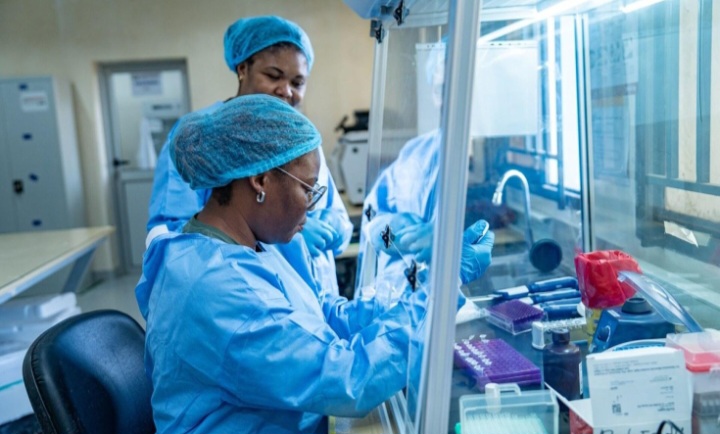
But evidence suggests the virus may have been circulating for months before the outbreak was formally recognized. A study reported by Reuters indicated that transmission may have begun in January or earlier in eastern Ituri.
That delay matters.
Ebola is much easier to contain when cases are identified quickly, patients are isolated, contacts are traced and people who have been exposed can be monitored.
But by the time the current outbreak was identified, transmission had already become established in communities.
The virus has since moved through multiple health zones and provinces. According to WHO's African regional office, the outbreak has expanded to a sixth province.
Population movement is making containment harder. Eastern Congo has experienced years of armed conflict, displacement and humanitarian crises. People regularly move between communities in search of safety, food, work and healthcare.
The movement of people across borders is another concern.
Uganda, which experienced imported Bundibugyo cases during the early phase of the outbreak, declared its outbreak over in July after going 42 days without a new locally transmitted case.
That development is encouraging, but it does not remove the regional risk.
Conflict is making Ebola harder to control
The Ebola outbreak is unfolding in some of the most difficult areas of the DRC to reach.
Eastern Congo has been affected by armed conflict for decades, and insecurity has repeatedly disrupted humanitarian operations.
Health workers cannot easily reach communities when roads are unsafe or fighting is taking place nearby. Patients may also avoid treatment centers because they fear being caught in violence or separated from their families.
WHO has reported attacks on healthcare during the emergency, while Reuters reported that more than 260 attacks on health workers had occurred over a six-month period, with health workers among those killed.
These attacks have consequences far beyond the immediate victims.
When health workers cannot safely travel, contact tracing becomes weaker. When surveillance is disrupted, cases can remain hidden. When treatment centers cannot operate normally, patients may stay at home and potentially infect relatives and caregivers.
Misinformation is another major obstacle
Stopping Ebola is not only a medical challenge. It is also a challenge of trust.
Some people in affected communities remain suspicious of health authorities and treatment centers. False information and conspiracy theories can discourage people from reporting symptoms or accepting medical care.
That can be deadly.
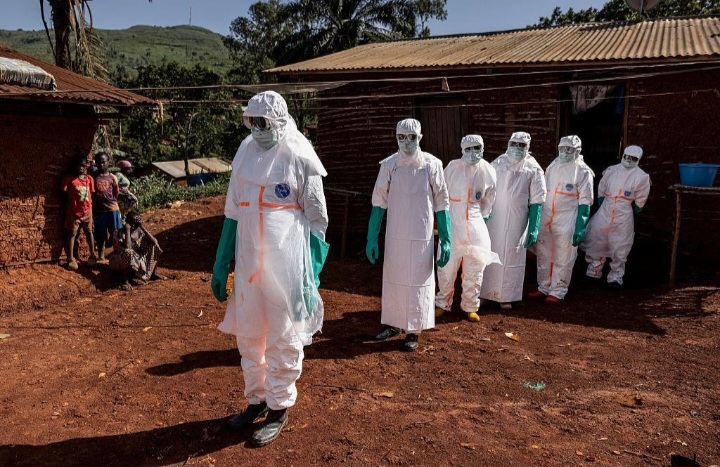
Ebola spreads through direct contact with the blood or other bodily fluids of an infected person or someone who has died from the disease. Early medical care and infection-control measures are therefore critical.
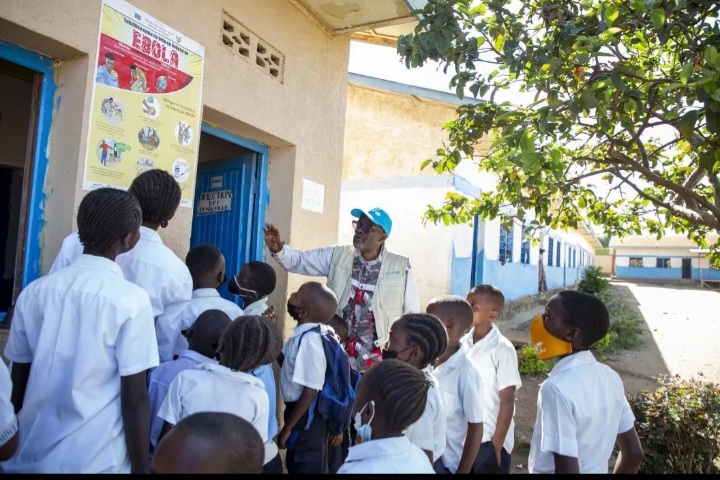
WHO and UNICEF have increased community engagement efforts to counter misinformation and encourage people to seek care early.
UNICEF says around 13,000 frontline community actors and influencers have been trained and deployed, reaching more than 2.4 million people with information about Ebola prevention and early detection. Teams have also conducted more than 505,000 household visits.
The message is simple: communities cannot be treated as passive recipients of instructions. They have to be part of the response.
Children are paying a heavy price
Children are among the most vulnerable victims. As UNICEF reported that, as of August 2, there had been 743 confirmed Ebola cases among children and 330 child deaths.
Children represented almost one-quarter of confirmed cases but nearly one-third of deaths. Children under five have been particularly vulnerable, with more than 60 percent of confirmed cases in that age group resulting in death, compared with fewer than 30 percent among adults aged 18 and older.
The outbreak is also disrupting healthcare that has nothing to do with Ebola.
In Ituri, UNICEF found that the use of essential health services fell by 42 percent in four major outbreak hotspots between April and June. Routine childhood vaccinations, maternal healthcare and other services were also affected.
That creates a second crisis.
A child who does not receive a routine vaccination, a pregnant woman who cannot safely reach a health facility, or a malaria patient who avoids a clinic because of fear of Ebola can face serious consequences even without contracting the virus.
The response is getting a new boost
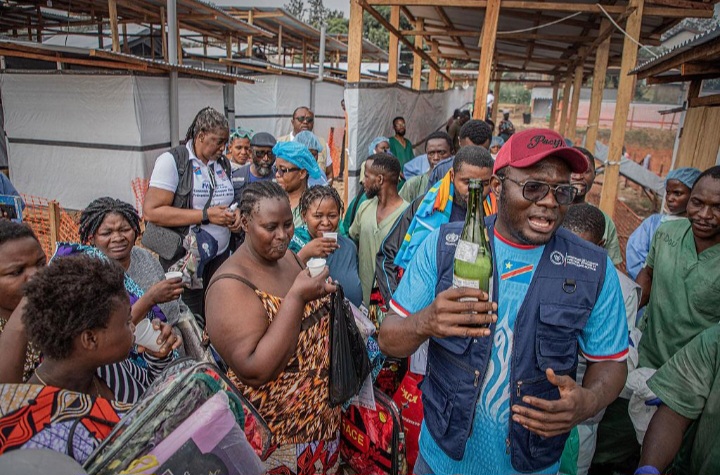
Despite the worsening situation, international health agencies are increasing their response.
On August 20, WHO and partners announced that the DRC would receive 70,000 doses of Merck's Ervebo vaccine. Of these, 20,000 doses are intended for a Phase 3 clinical trial, while 50,000 are intended for frontline and healthcare workers.
This is important—but it comes with a major qualification.
Ervebo is licensed for Zaire Ebola virus, not Bundibugyo virus. Scientists are therefore trying to establish whether it can offer meaningful protection against the strain causing the current outbreak.
In other words, the vaccine shipment represents both a response measure and an urgent scientific experiment.
WHO is also calling for stronger surveillance, faster sharing of data, sustained financing, better access to affected communities and improved cross-border coordination.
Is this becoming a global threat?
The outbreak is serious enough that WHO declared it a Public Health Emergency of International Concern in May
That does not mean Ebola is spreading uncontrollably around the world or that another global pandemic is inevitable.
It means the outbreak has characteristics that require coordinated international action because of its severity and potential for international spread.
WHO's assessment remains that the risk of further national and international spread is high.
For neighboring African countries, preparedness is particularly important. Countries need strong disease surveillance, laboratories capable of quickly identifying suspected cases, trained healthcare workers and clear systems for managing travelers who may have been exposed.
But the most immediate battle remains inside the DRC.
What happens next?
The coming weeks will be critical.
The biggest priority is to slow transmission by finding cases earlier, isolating and treating patients, tracing contacts, protecting healthcare workers and earning the trust of communities.
International support will also matter.
The WHO has warned that the response needs sustained financing and resources, while UNICEF says its own six-month appeal for Ebola-related interventions has a substantial funding gap.
The DRC has fought Ebola before, and previous outbreaks have demonstrated that the disease can be controlled when governments, communities, health workers and international partners work together.
But this outbreak is testing those systems at extraordinary speed.
For now, the message from health officials is not that the situation is hopeless. It is that the window to bring the outbreak under control is narrowing.
The difference between containment and a much larger regional crisis could depend on how quickly resources reach the people fighting Ebola on the ground.
The bottom line
The Ebola outbreak in the Democratic Republic of Congo has become a major African public-health emergency. With more than 5,000 confirmed cases and more than 2,500 deaths, it is already the country's deadliest Ebola outbreak on record.
The combination of a virus strain without an approved vaccine or specific treatment, armed conflict, population displacement, attacks on health workers, misinformation and limited resources makes this outbreak exceptionally difficult to control.
But the response is not standing still.
Vaccines are being studied, treatment trials are underway, health workers are continuing to operate in dangerous conditions, and international agencies are expanding support
The urgent question now is whether those efforts can move faster than the virus.






Comments (0)
No comments yet. Be the first to share your thoughts!