


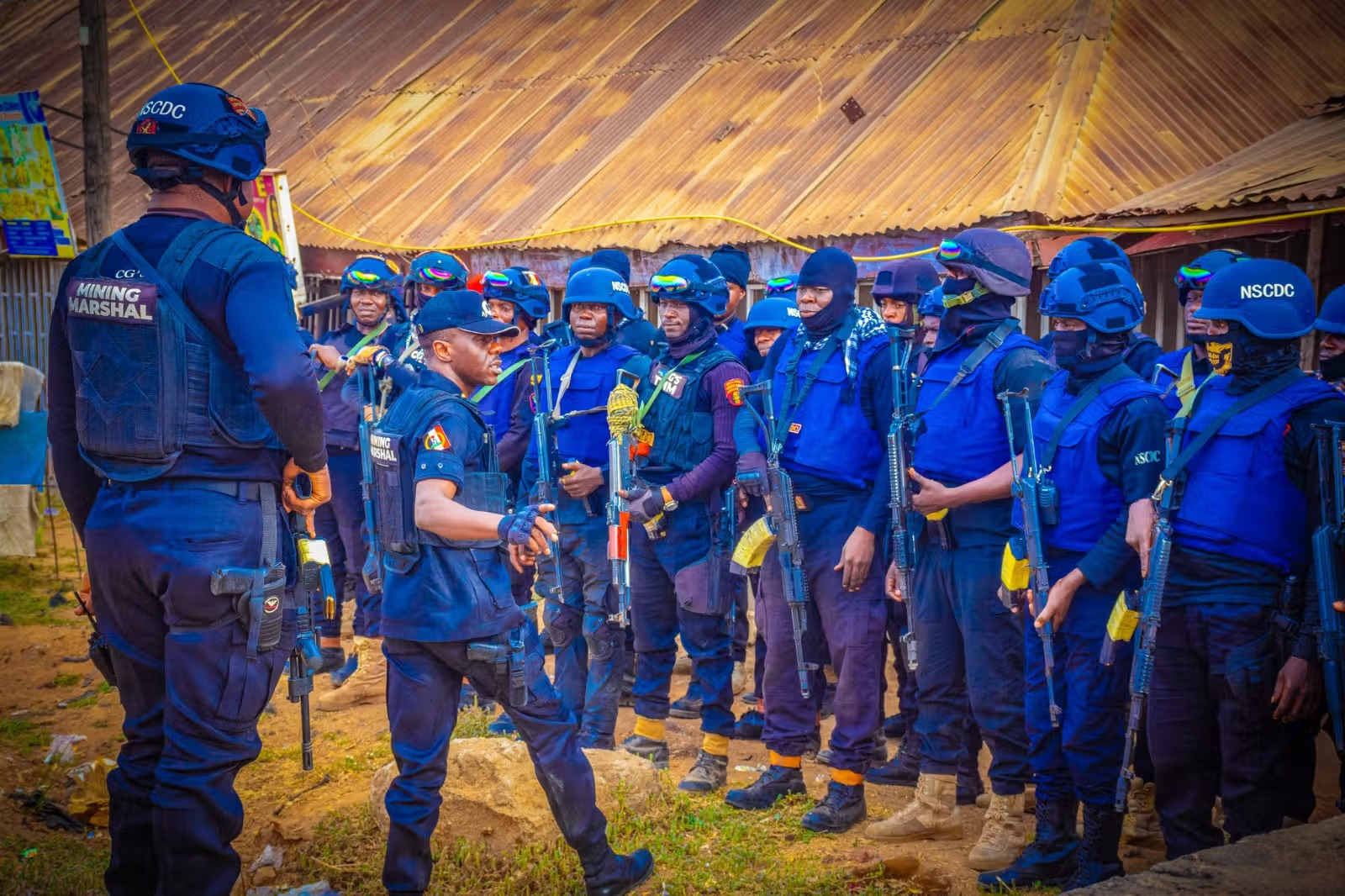
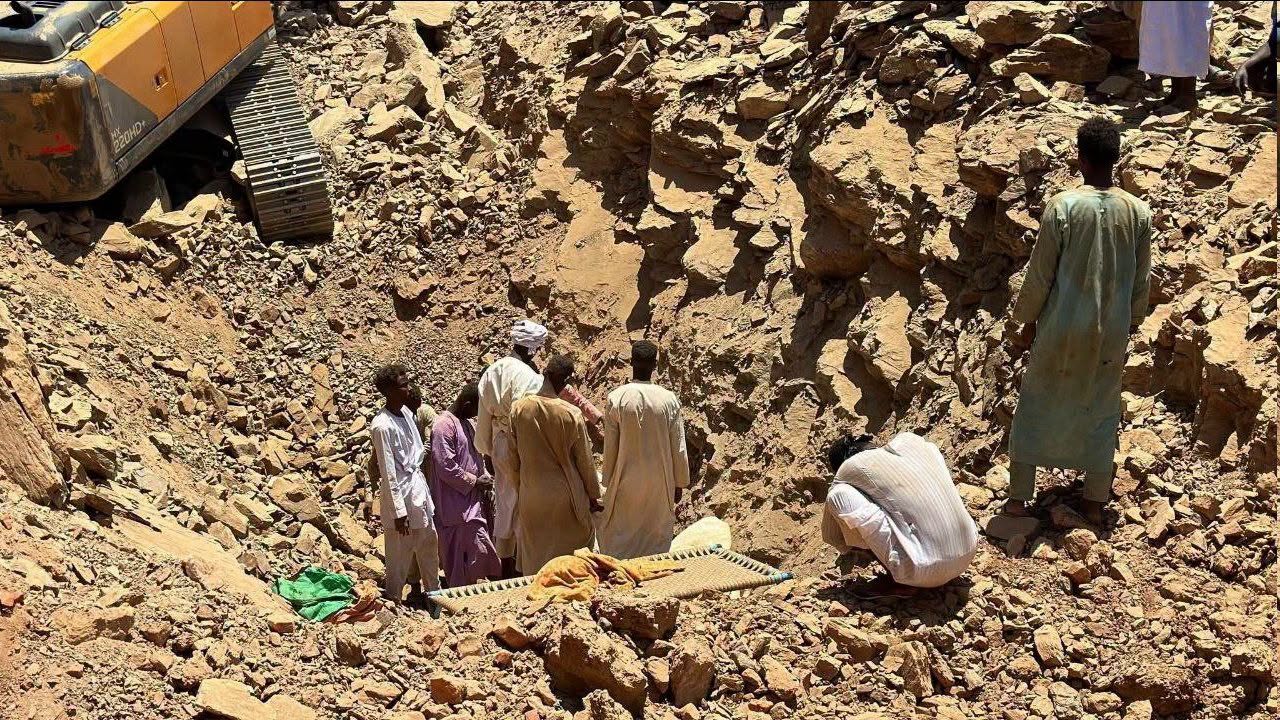
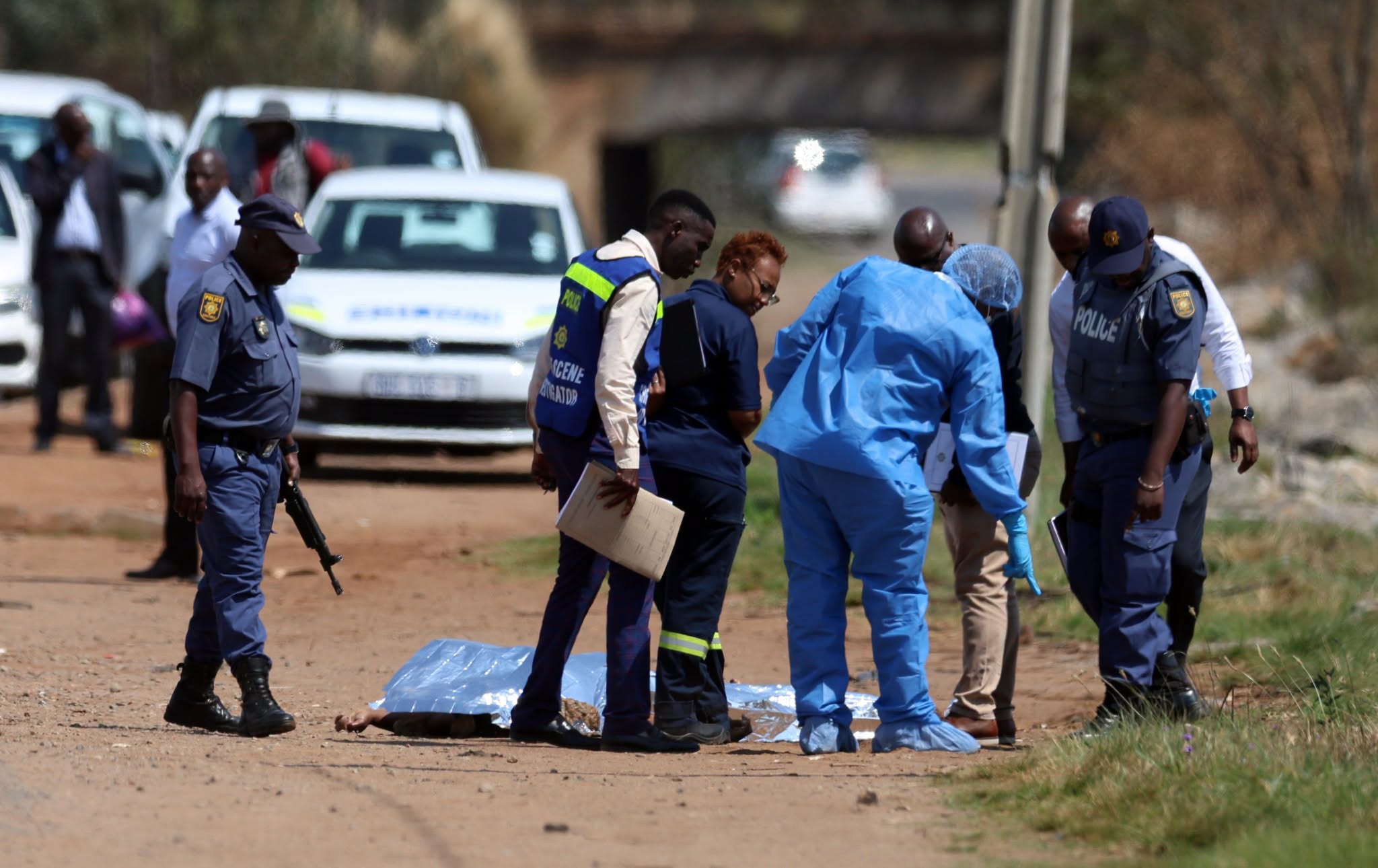
The miners, mostly young men and teenagers, were arrested during enforcement operations in the Wushishi-Lukoto area of Niger State on 15 and 16 September 2026. They were found dead in their cell in Minna, the state capital, in the early hours of 17 September.
Survivors Describe Suffocation
Survivors have painted a harrowing picture of conditions inside the detention facility. Dauda Shehu, 38, told journalists from his hospital bed how detainees struggled to breathe as the cell became a death trap.

"We were jam-packed in the cell, no ventilation for us to breathe well," Shehu said. "All of a sudden we realised that we could not breathe and we were all scampering for where to get fresh air. We even appealed to them several times, banged the cell door, but they refused to answer us."
Another survivor told The New York Times that more than 60 people had been packed into a single cell with barely any ventilation, food or water. Some of those who died were desperately thirsty but were denied water, so they drank their own urine. Shehu said he survived only because he was near the cell door, where there was a tiny opening for air.
Government Response and Suspensions
The deaths have triggered action at both state and federal levels. Interior Minister Olubunmi Tunji-Ojo announced the immediate suspension of the Niger State NSCDC Commandant, Suberu Siyaka Aniviye, pending a full investigation.
"It is an unfortunate incident, however, a full investigation will be conducted while the commandant under whose watch this happened remains suspended," the ministry said in a statement.
President Bola Tinubu has ordered a "full and transparent investigation" and directed that officials found to have contributed to the deaths be arrested and prosecuted. "The fact that these individuals were suspected of illegal mining does not in any way remove their right to life, dignity and humane treatment while in government custody," Tinubu said.
Niger State Governor Mohammed Umaru Bago declared three days of mourning and imposed a 24-hour curfew in Minna after protests erupted. He confirmed that 67 miners had been held in the cell, with 37 dying. Bago also ordered the suspension of all mining activities in the state until soil tests determine whether hazardous substances are present, revealing that preliminary forensic findings showed "foam mixed with bloodstains in some mouths and peeling skin," raising the possibility of methane, cyanide or lead poisoning.
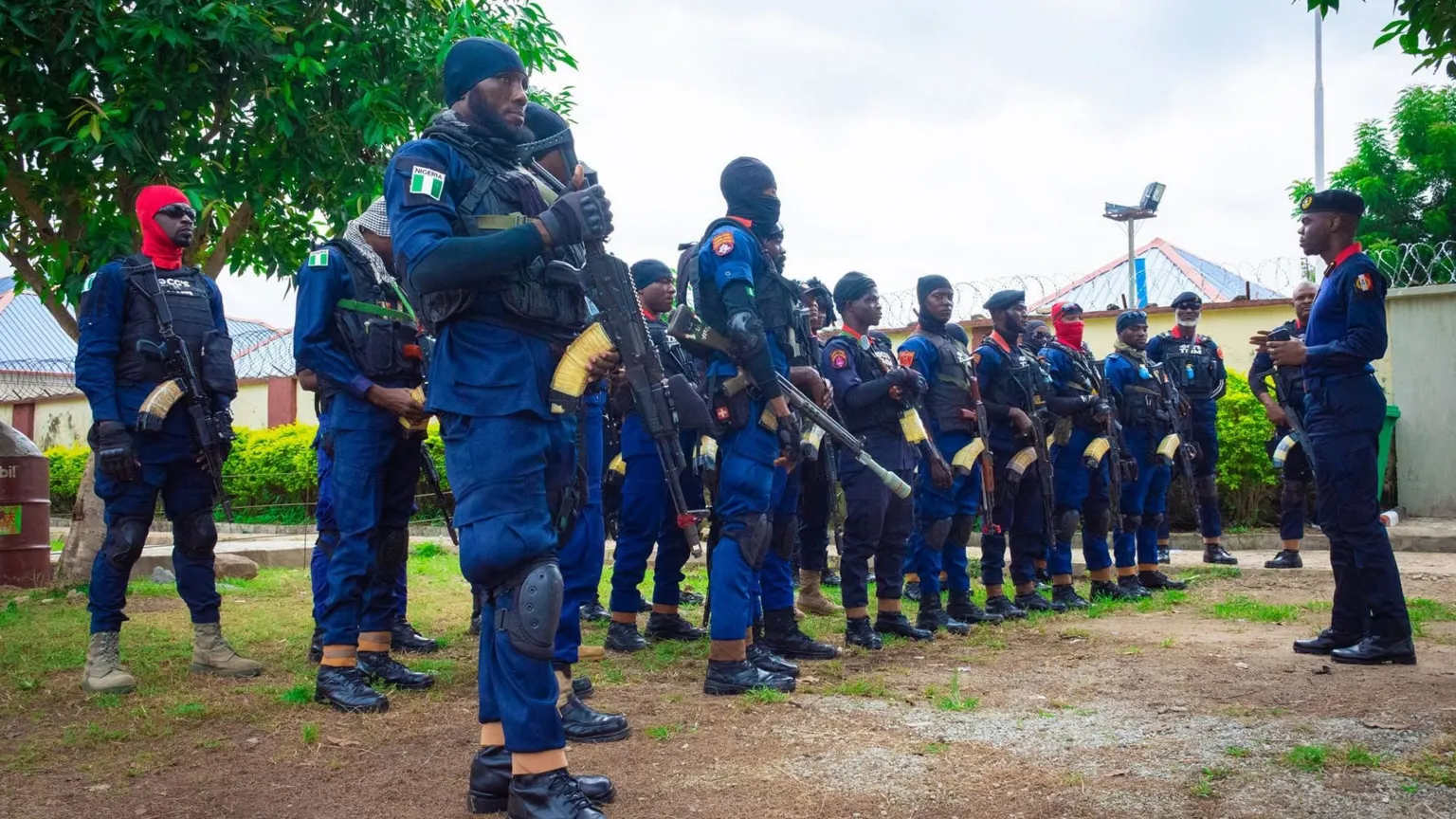
he NSCDC mining marshals unit has been cracking down on illegal mining recently
Competing Explanations for the Deaths
The NSCDC initially blamed the deaths on a "suspected disease outbreak," but later said the cause had not been established and cautioned against drawing conclusions before medical and laboratory examinations were complete.
However, an intelligence report seen by AFP suggested the deaths resulted from "overcrowding and inadequate ventilation within a detention facility." Governor Bago said the miners were held in three cells, but only one was affected, raising suspicions of poisoning.
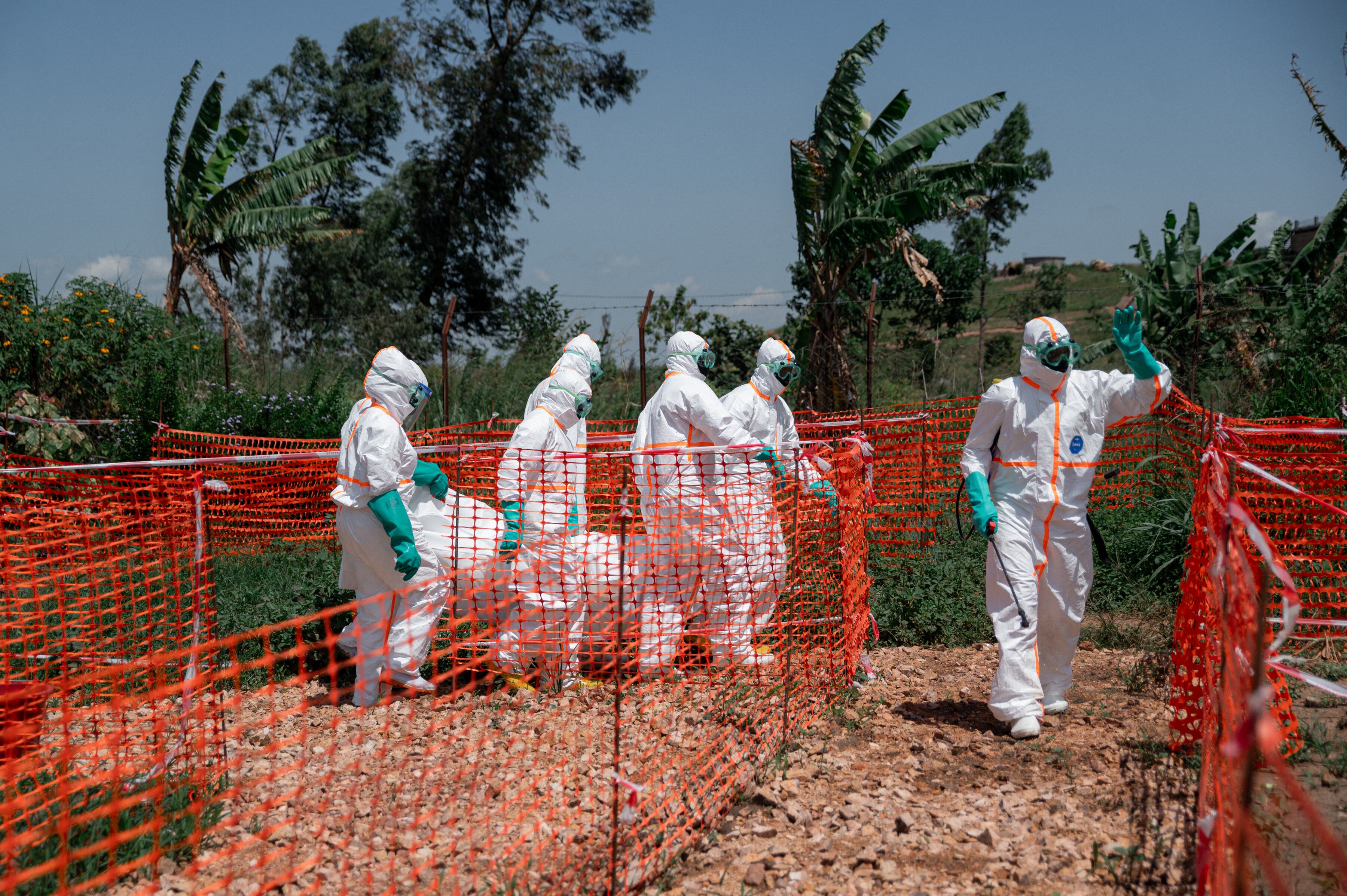
Medical, forensic and biological experts have been mobilised to obtain samples, conduct autopsies and assist the investigation.
Protests and Unrest
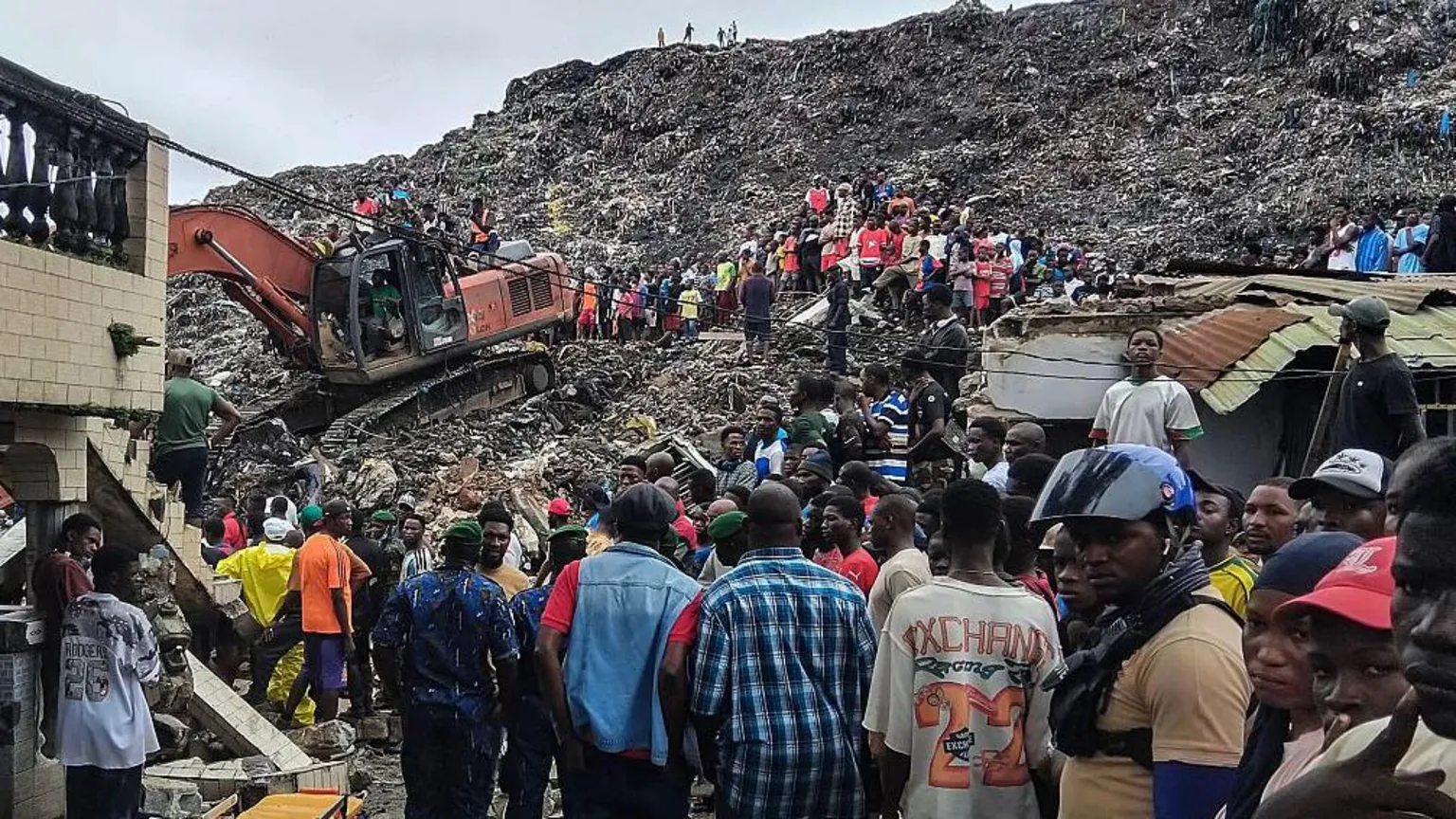
News of the deaths sparked angry protests in Minna. Hundreds of protesters took to the streets, chanting "Justice must be done," blocking roads and damaging vehicles, a bank, political party offices and private businesses. Police responded with tear gas and, according to witnesses cited by Reuters, live rounds.
Governor Bago condemned the destruction of property but acknowledged the anger. "We are calling on all the youth to please stay away from violence," he said. "It is not going to bring about those that have died."
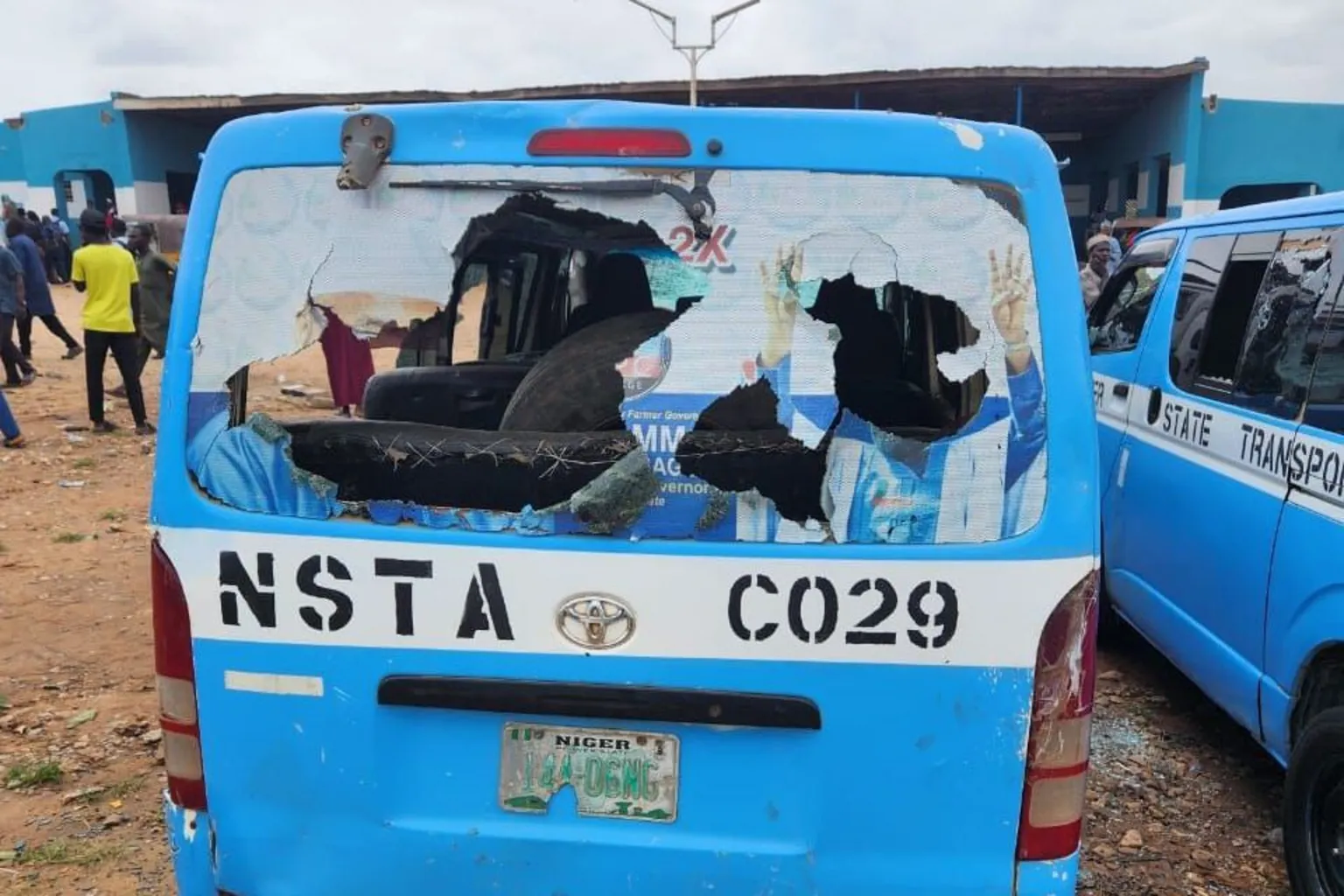
The protesters targeted public transport buses
The Broader Context
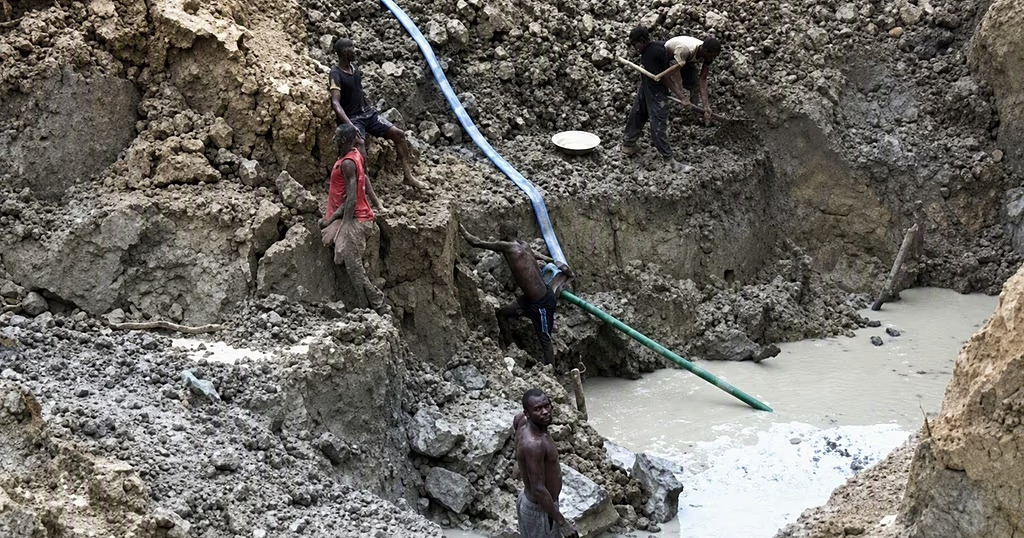
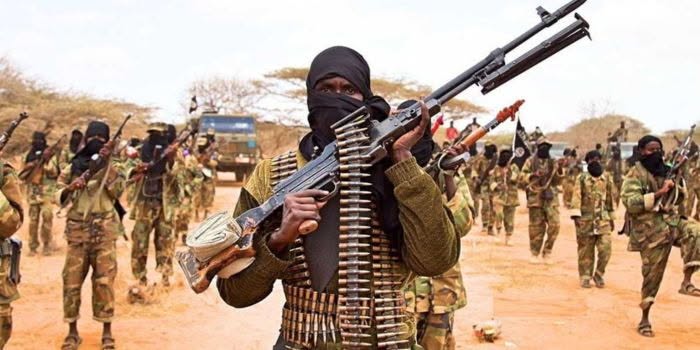
The tragedy has focused attention on the dangerous and unregulated world of illegal mining in Niger State, which is rich in gold and other minerals. Thousands of artisanal miners are drawn to the region by the hope of striking gold, but their activities are often controlled by criminal gangs known locally as bandits, who tax the miners and demand a cut of the ore.
The deaths have also raised questions about detention conditions in Nigeria, where the constitution requires suspects to be brought before a court within a reasonable time—generally one or two days. The miners had been held for more than 24 hours without charge.
The investigation continues, with the nation watching to see whether those responsible for the deaths will be held accountable.
With reporting from AFP, The New York Times, BBC, Reuters, Anadolu Ajansı, Punch Newspapers, Daily Post, Ripples Nigeria, Xinhua and Pulse Nigeria.











Comments (0)
No comments yet. Be the first to share your thoughts!