



Africa’s youthful population could become one of the continent’s greatest economic advantages — but only if young people can find productive work. Technical and Vocational Education and Training (TVET) is increasingly being presented as part of the answer. From construction and manufacturing to agriculture, renewable energy and digital technology, TVET can give young people practical skills that employers need. But training alone cannot solve a jobs crisis. For TVET to make a real difference, African countries must connect classrooms to industry, modernize training, support entrepreneurship and create more jobs.

Africa’s Youth Jobs Crisis Is Getting Harder to Ignore
For millions of young Africans, finishing school does not necessarily mean finding a job.
Every year, between 10 million and 12 million young Africans enter the labor market, while only about 3 million formal jobs are created annually. The World Bank says Africa will experience the fastest increase in its working-age population of any region, with about 740 million additional working-age people expected by 2050.
That gap creates a difficult reality. Young people may have certificates, ambition and a willingness to work, but still struggle to find opportunities.
The problem is also bigger than unemployment alone. Many young people who do find work end up in informal, temporary or low-paying jobs that do not fully use their abilities. The World Bank has warned that current growth patterns are not creating enough high-quality jobs for the continent's expanding workforce.
This is where TVET enters the conversation.
What Exactly Is TVET?
Technical and Vocational Education and Training focuses on practical, technical and occupational skills.
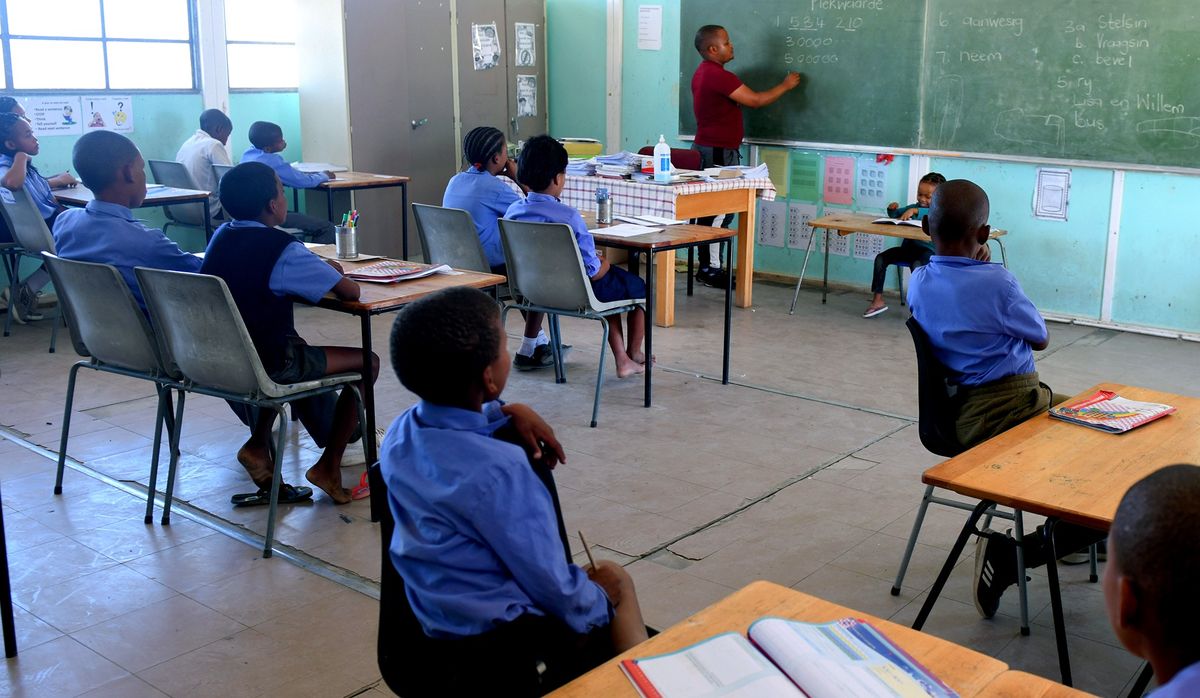
Instead of concentrating mainly on academic theory, TVET can train students for occupations such as electrical installation, plumbing, welding, automotive repair, construction, fashion and design, hospitality, agriculture, manufacturing, ICT and renewable energy.
Done properly, it can answer a simple but important question: What skills does the economy actually need?
The International Labour Organization and African Development Bank say TVET has the potential to improve employment, productivity and economic transformation. But they also found that many African TVET systems remain weakly connected to employers and the wider productive economy.
That connection is critical.
A student should not spend years learning a skill only to discover that very few employers need it.
The Skills Mismatch: When Education and Jobs Do Not Meet
One of Africa’s biggest employment problems is not simply a shortage of educated young people. It is a mismatch between what people learn and what businesses need.
A joint study by UNESCO, the World Bank and ILO found that many TVET systems in developing countries struggle to match training with labor-market demand. Problems include outdated equipment, insufficiently prepared instructors and programs that do not adequately respond to employers' needs.
This can produce a frustrating cycle.
Employers say they cannot find workers with the right skills. Young graduates say they cannot find jobs. Training institutions continue producing graduates, but the gap remains.
Recent discussion around TVET in Nigeria illustrates the problem. Employers continue to report difficulties finding job-ready workers even as technical and vocational institutions produce thousands of graduates. The argument is increasingly shifting from simply expanding enrollment to building stronger partnerships between institutions and industry.
TVET Can Do More Than Prepare People for Jobs
The strongest TVET systems should not simply train young people to become employees.
They can also help young people become entrepreneurs and job creators.
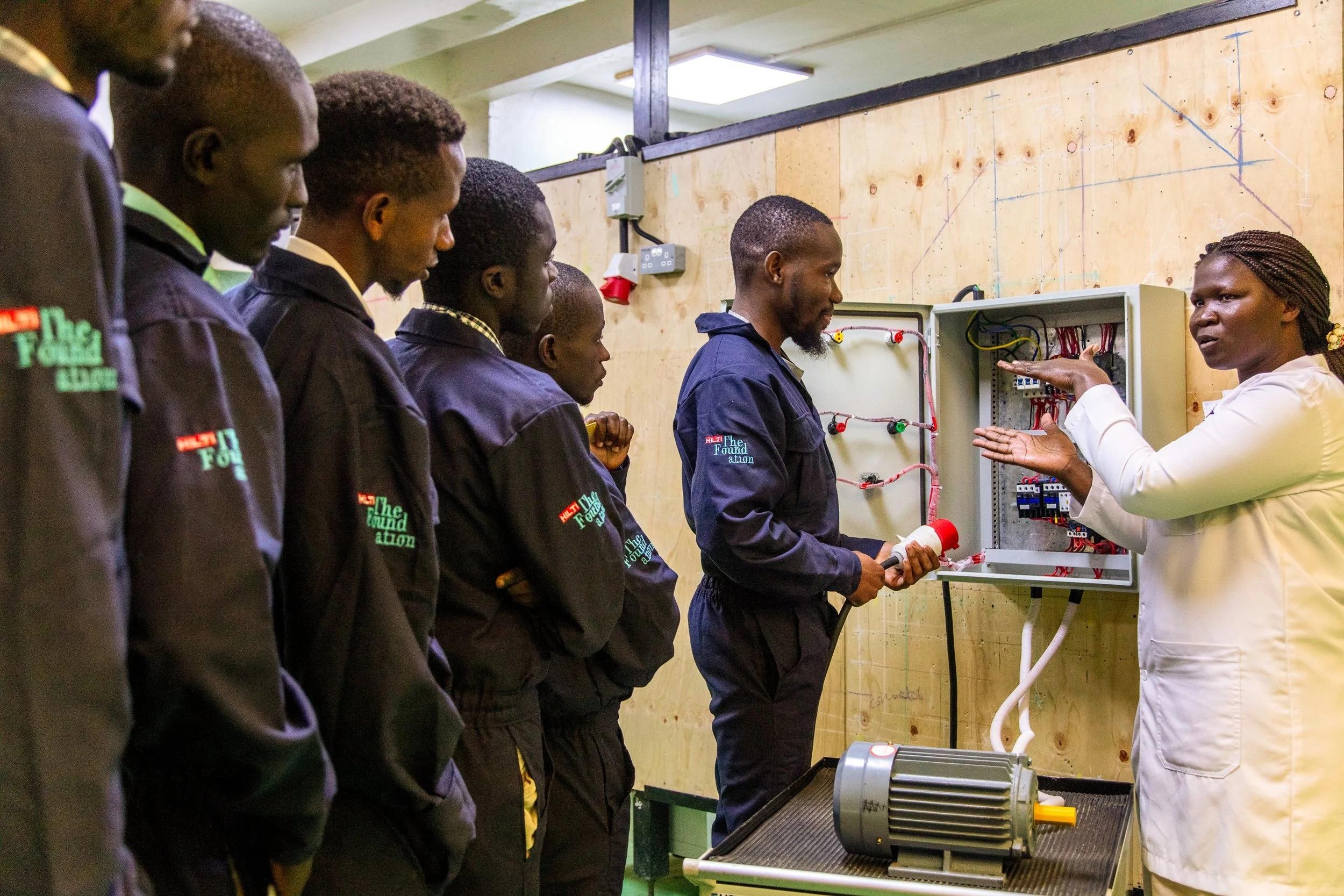
A trained electrician, for example, can seek employment with a construction company — but can also establish an electrical services business. A trained tailor can work for a fashion company or build a clothing brand. An agricultural technician can work on a commercial farm or develop a business providing services to small-scale farmers.
This matters in Africa because formal wage employment cannot absorb everyone entering the labor market.
The African Development Bank has therefore emphasized practical, market-driven training, apprenticeships, youth-led businesses and skills development as interconnected parts of the employment solution.
For TVET graduates, entrepreneurship training, access to finance and mentorship can be just as important as technical training itself.
New Industries Are Creating New Opportunities
Africa's job market is changing.
Digitalization, renewable energy, manufacturing, construction, modern agriculture and other emerging industries are creating demand for skills that were less important in previous generations.
UNESCO estimates that 230 million digital jobs could be created in sub-Saharan Africa by 2030. At the same time, it reports that skills gaps are a major obstacle to business transformation.
This means TVET cannot remain stuck in the past.
Training centers need modern equipment. Instructors need opportunities to update their skills. Courses need to include digital literacy, problem-solving, communication, entrepreneurship and other transferable skills alongside technical abilities.
The goal should not be to train young people for today's jobs only, but to prepare them to keep learning as industries change.
Kenya Shows Why TVET Matters
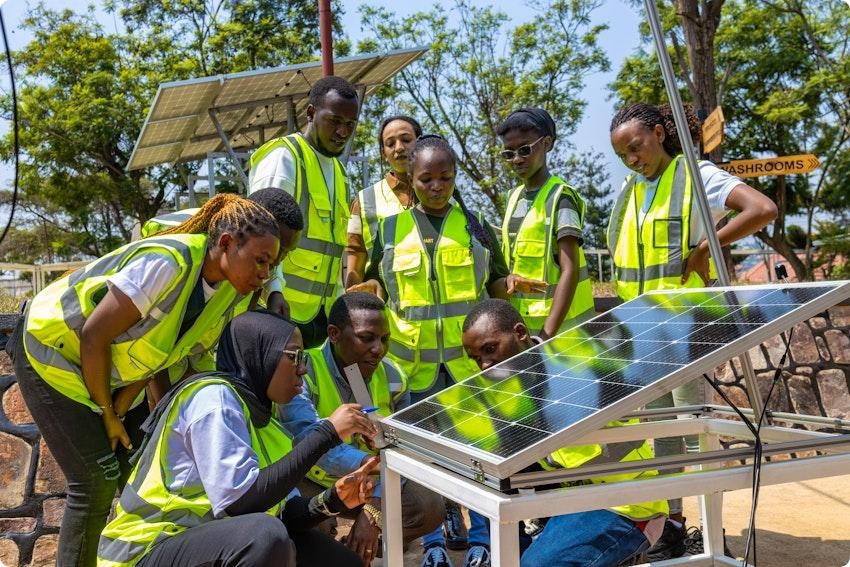
Kenya has made TVET an important part of its strategy for expanding technical skills and improving youth employability.
The country's Ministry of Education has identified improving access, quality and relevance as key TVET priorities, including equipping young people with skills that respond to immediate and emerging labor-market needs. Some programs also specifically target vulnerable young people and work experience.
But Kenya also demonstrates why simply increasing the number of training institutions is not enough.
TVET graduates still need employers who are willing to hire them, industries that are expanding and financial systems that allow skilled young people to start businesses.
A welding graduate needs construction and manufacturing activity. An automotive graduate needs a growing transport and repair market. A solar technician needs households and businesses willing and able to invest in renewable energy.
Skills and jobs therefore have to grow together.
TVET Alone Cannot Solve Youth Unemployment
This may be the most important point.
It would be a mistake to tell millions of unemployed young Africans that the solution is simply to acquire more skills.
A skilled young person still needs an economic opportunity.
The World Bank has repeatedly emphasized that Africa needs both skills development and job-friendly economic growth. Training addresses the supply of workers, but governments and businesses must also help create demand for their skills.
That means investing in manufacturing, agriculture, infrastructure, energy, technology and small businesses.
It also means improving access to finance, reducing unnecessary barriers for entrepreneurs and creating an environment where companies can grow and hire.
Otherwise, Africa risks producing a generation of highly trained young people who are still searching for work.
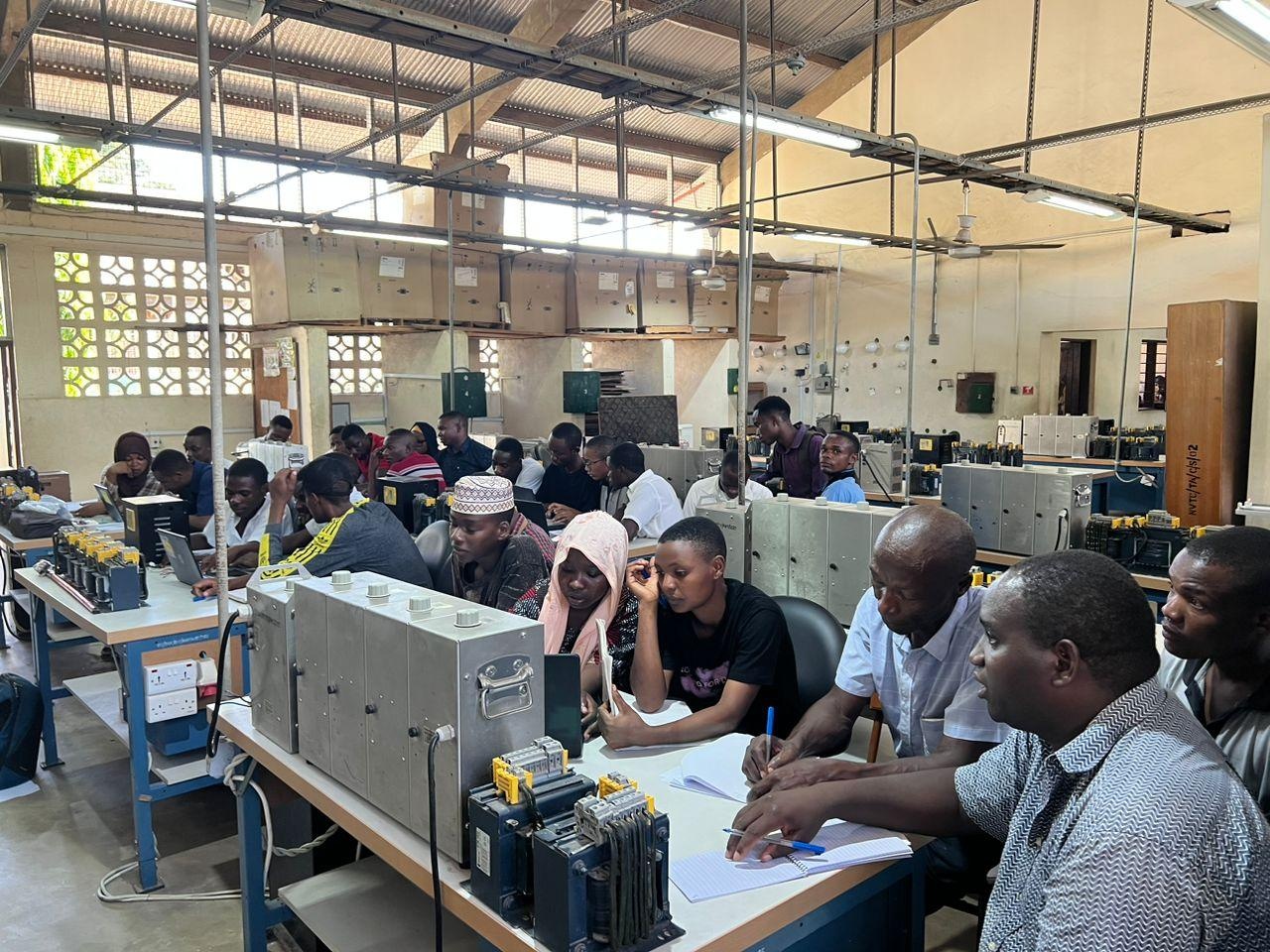
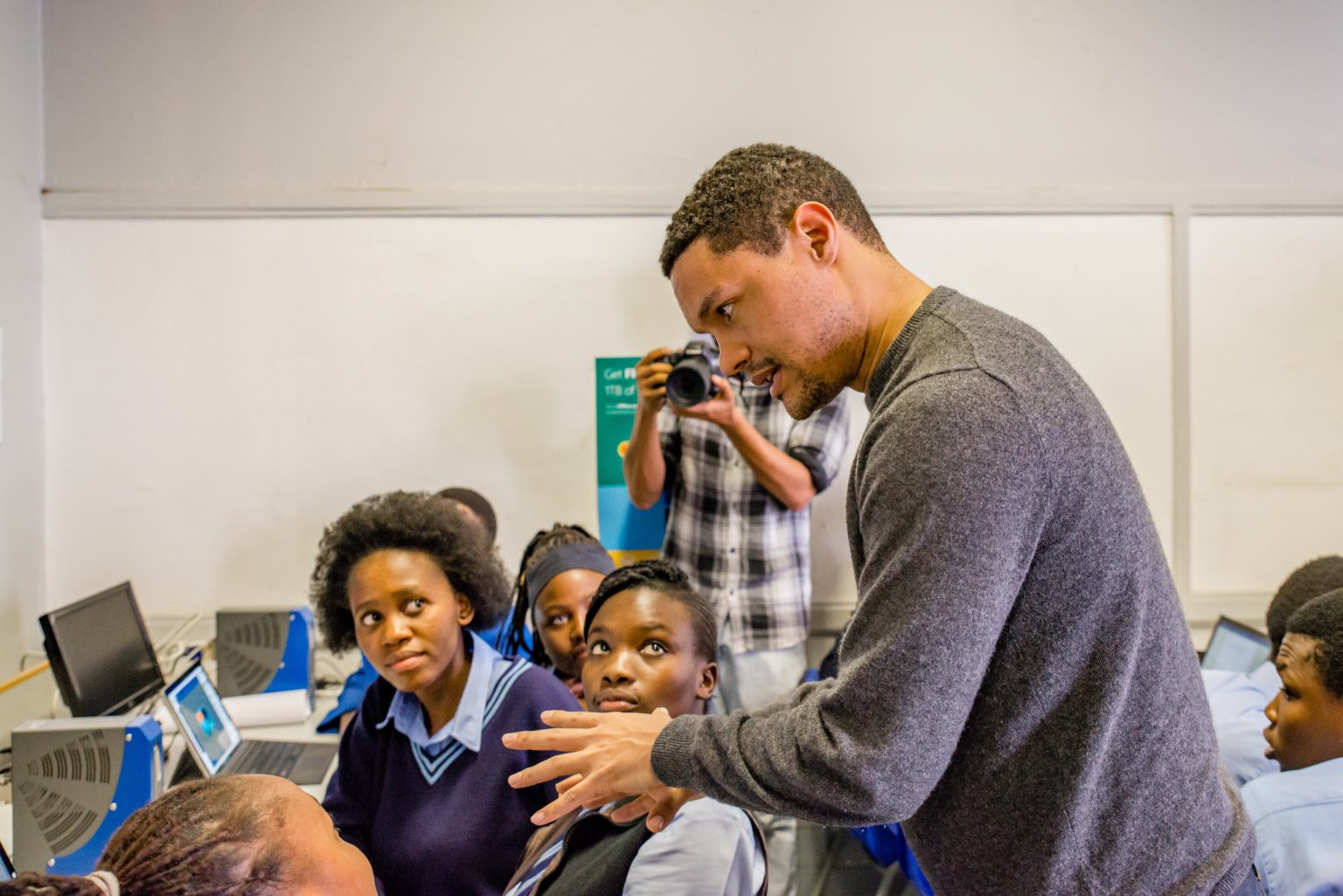
Practical vocational training can give young Africans technical skills, but stronger links between education, industry and job creation are needed to turn those skills into employment.
What Would Make TVET Work Better?
For TVET to become a powerful weapon against youth unemployment, African governments and education institutions need to move beyond simply building classrooms.
1. Listen to employers
Training programs should be designed with businesses, industry associations and employers so that graduates learn skills that are actually needed.
2. Expand apprenticeships
Young people learn differently when they are exposed to real workplaces. Apprenticeships can help students gain experience while allowing employers to identify potential workers.
3. Modernize equipment
A student cannot be adequately prepared for a modern workplace using equipment that industries stopped using years ago.
4. Give entrepreneurship equal attention
Technical skills should be combined with financial literacy, business management, digital skills and access to financing.
5. Make TVET attractive
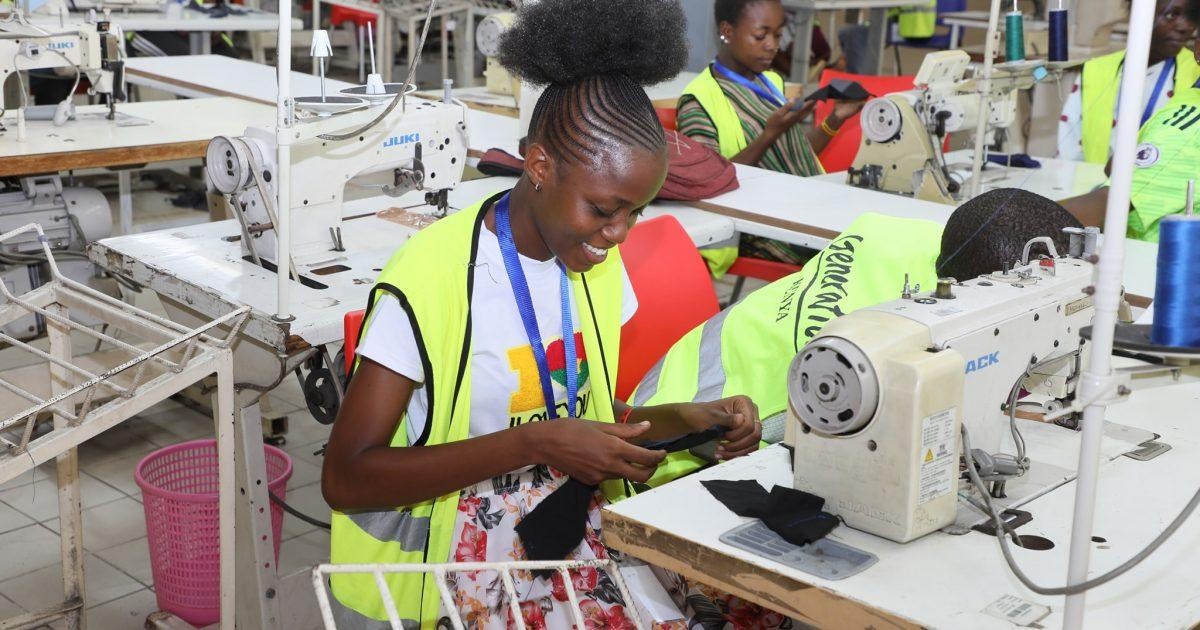
Vocational education should not be treated as an option for students who "failed" academically. A modern economy needs electricians, engineers, technicians, builders, agricultural specialists, mechanics and digital professionals.
6. Include women and marginalized communities
UNESCO highlights the importance of improving access to TVET for women, rural populations, displaced people and people with disabilities. Without inclusion, Africa will leave a large part of its potential workforce behind.
So, Can TVET Solve Africa's Youth Unemployment Problem?
Not by itself. But it can be a major part of the solution.
Africa does not have a shortage of young people. It has a shortage of opportunities that allow those young people to turn their energy, education and skills into productive livelihoods.
TVET can help close one part of that gap by making education more practical and connecting young people with the skills needed in growing industries.
But the bigger challenge is economic.
If governments invest in skills without creating an environment where businesses can grow, the unemployment problem will remain. If businesses expand without access to a skilled workforce, growth will be constrained.
Africa therefore needs both sides of the equation: people with the right skills and economies capable of creating productive work.
The continent's demographic growth is often described as a challenge. It can also be an extraordinary opportunity.
Millions of young Africans are ready to work, build businesses, operate machines, develop technology, repair infrastructure, produce food and create new industries.
The question is whether Africa will build the education systems, industries and economic opportunities needed to give them that chance.
TVET may not solve Africa's youth unemployment crisis alone. But if it is properly funded, connected to industry and treated as a central part of economic development, it could help turn Africa's youth population from an employment challenge into one of the continent's greatest economic assets.
Sources: UNESCO, World Bank, International Labour Organization, African Development Bank and Kenya's Ministry of Education.














Comments (0)
No comments yet. Be the first to share your thoughts!