


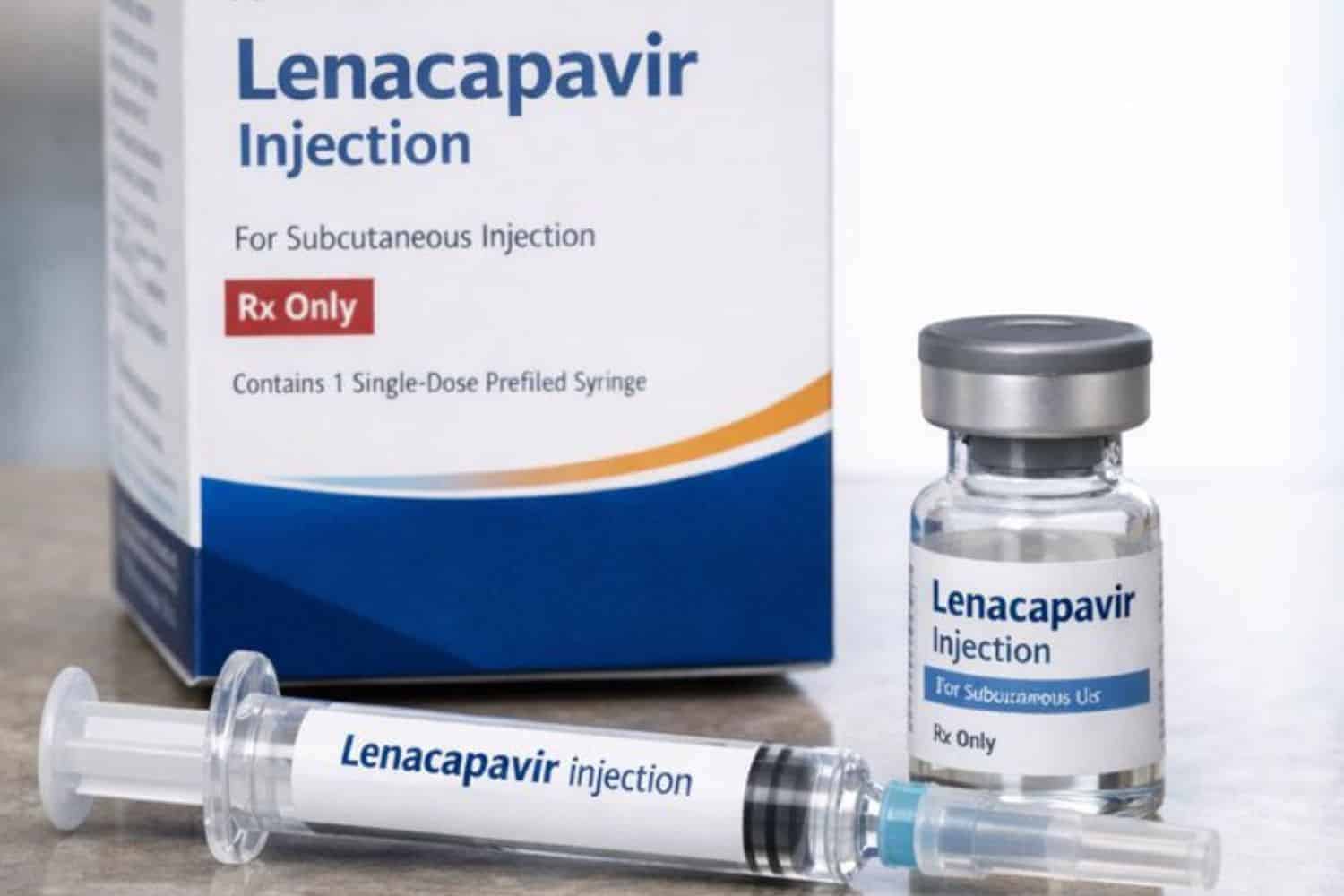
Africa’s efforts to reduce new HIV infections have received a significant boost following the arrival of the first shipments of the generic Lenacapavir, a twice-yearly injectable HIV prevention medicine, in Zambia.
The Global Fund to Fight AIDS, Tuberculosis and Malaria announced on 25 November that the first generic supplies had reached Zambia, with additional deliveries expected in Uganda in the coming days. Zimbabwe is expected to receive its first generic shipment in early 2027.

The development marks an important milestone in expanding access to one of the most promising HIV prevention innovations in recent years, particularly across low- and middle-income countries where the burden of HIV remains high.
India-based pharmaceutical company Hetero has also confirmed that it has begun shipping generic versions of the medicine to Zambia, Uganda and Zimbabwe, with plans to supply approximately 300,000 vials.
The company intends to expand its supply to 10 additional African countries in early 2027, potentially widening access to the medicine across the continent.
A New Approach to HIV Prevention
Lenacapavir is a long-acting injectable form of pre-exposure prophylaxis, commonly known as PrEP.
Unlike conventional oral PrEP, which requires people to take preventive medication daily, Lenacapavir is administered twice a year, offering a more convenient alternative for people who face difficulties maintaining a daily medication routine.
Clinical trials have demonstrated very high efficacy in preventing HIV infection, with results approaching 100% in certain study populations.
The World Health Organization recommended Lenacapavir as an additional HIV prevention option in 2025, following evidence of its effectiveness.
The introduction of generic versions is expected to improve affordability and expand the availability of the medicine in countries with significant HIV prevention needs.
According to the Associated Press, the generic injection is expected to cost approximately $40 per person annually, although actual costs and access arrangements may vary between countries.
The medicine does not cure HIV and is intended for people who are HIV-negative and seeking to reduce their risk of acquiring the virus.
It is also important to note that Lenacapavir does not prevent other sexually transmitted infections. It should therefore form part of a broader HIV prevention strategy that includes appropriate testing, counselling and other available prevention methods.
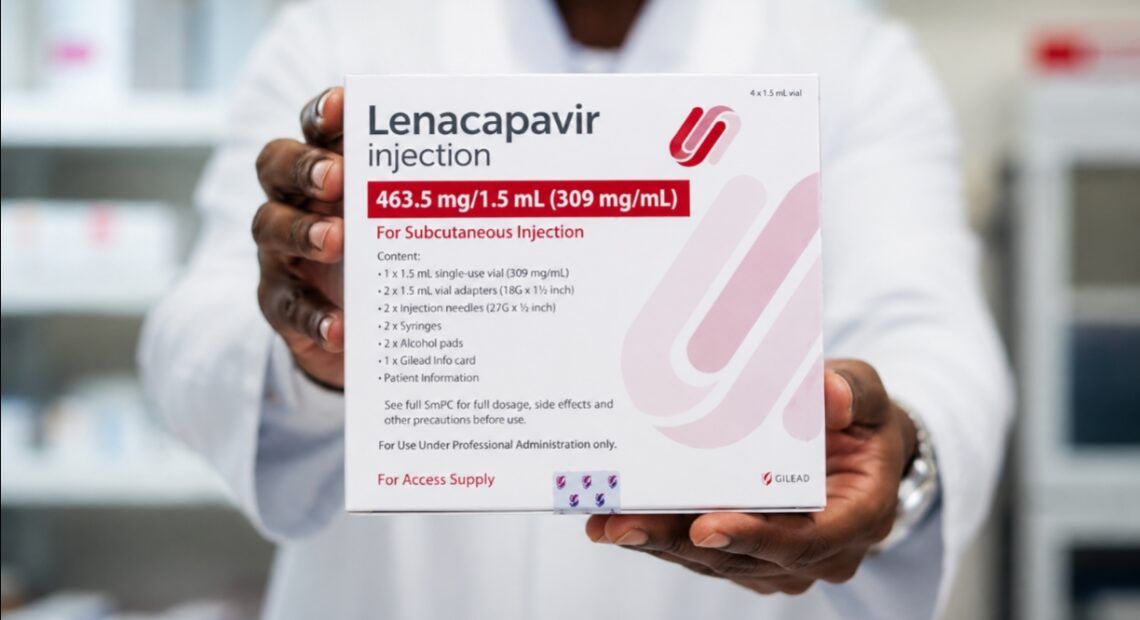
Generic Production Could Expand Access Across Africa
The arrival of the generic Lenacapavir comes at a time when demand for the medicine has exceeded available supply.
The Global Fund reported that more than 189,000 people across 10 early-adopter countries had received their first dose of Lenacapavir by November 2026.
The organisation, working with the United States government, aims to reach at least three million people with the medicine by the end of 2028.
To support this objective, the Global Fund plans to deliver four times the volume of Lenacapavir in 2027 compared with 2026, with generic products expected to account for an increasing share of supplies.
The introduction of generic production is therefore expected to play a critical role in addressing supply constraints and making the medicine available to more people.
Gilead Sciences, the original developer of Lenacapavir, has entered into voluntary licensing agreements with six generic manufacturers, allowing them to produce and supply the medicine in 120 low- and middle-income countries.
The agreements, alongside support from organisations including the Gates Foundation, Unitaid and the Children’s Investment Fund Foundation, have helped accelerate the availability of generic supplies.
The initiative represents a broader effort to ensure that medical innovations reach countries with significant public health needs without the lengthy delays that have historically affected access to new treatments and prevention technologies.
Zambia’s HIV Prevention Programme
Zambia is among the countries expected to benefit significantly from the expansion of Lenacapavir.
The country received its first stock of the original HIV prevention medicine in September 2026, with the government working alongside international partners to support its rollout.
According to UNAIDS, Zambia recorded approximately 23,000 new HIV infections in 2025, with adolescents and young people accounting for 37% of new infections.
Adolescent girls and young women remain particularly vulnerable to HIV in many parts of sub-Saharan Africa.
The introduction of a long-acting prevention option offers an opportunity to address some of the challenges associated with daily medication, including adherence difficulties and concerns about stigma.
Zambia’s rollout is expected to target people who could benefit most from additional HIV prevention options, including adolescent girls and young women, pregnant and breastfeeding women and other populations at increased risk of HIV.
UNAIDS has been working with the Zambian government, communities and international partners to support the implementation of Lenacapavir and ensure that access is guided by evidence and public health priorities.
The arrival of generic supplies is expected to strengthen these efforts by increasing the availability of the medicine.
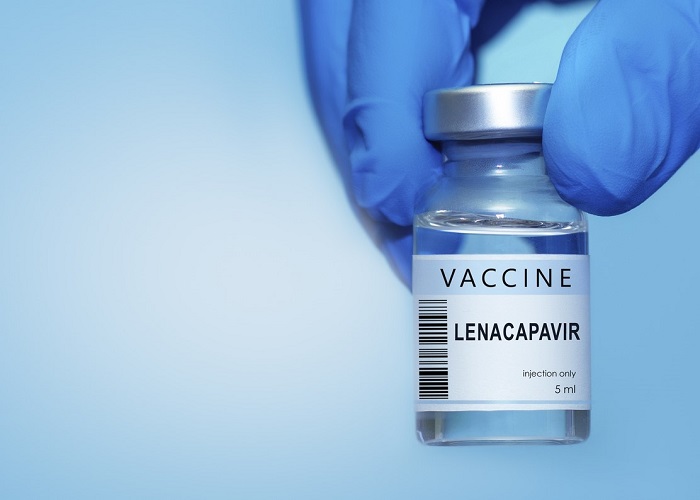
A vial of the HIV prevention drug Lenacapavir.
What This Means for Africa’s HIV Response
Sub-Saharan Africa remains the region most affected by HIV globally.
According to UNAIDS, approximately 26.3 million of the 41 million people living with HIV worldwide are in sub-Saharan Africa.
The introduction of the generic Lenacapavir could therefore have significant implications for the region’s long-term HIV prevention efforts.
By reducing the need for daily medication, the injection offers an additional option for people who may find existing prevention methods difficult to maintain.
It could also help expand prevention services among populations that have historically faced barriers to accessing healthcare.
However, the availability of a new medicine does not automatically guarantee widespread access.
Governments will need to ensure that healthcare facilities are adequately prepared to administer the injections, that health workers receive appropriate training and that people who need the medicine can access it without facing financial or geographical barriers.
Reliable supply chains will also be essential to prevent interruptions in treatment schedules.
The rollout will further depend on sustained funding and cooperation between governments, international organisations, pharmaceutical manufacturers and community-based health programmes.
Looking Ahead
The arrival of the generic Lenacapavir in Zambia represents an important development in Africa’s ongoing efforts to reduce new HIV infections.
With Uganda expected to receive supplies soon and Zimbabwe scheduled for early 2027, the initial rollout could mark the beginning of a broader expansion of access across the continent.
Hetero’s plans to supply additional African countries in 2027, alongside the Global Fund’s commitment to significantly increase deliveries, suggest that generic production will become increasingly important in the coming years.
The challenge now is to translate this progress into accessible and sustainable HIV prevention services.
For Africa, the success of Lenacapavir will depend not only on its effectiveness as a medicine, but also on the ability of governments and their partners to ensure that those who need it most can access it.
If the expansion is supported by adequate funding, reliable supplies and strong healthcare systems, the generic Lenacapavir could become an important addition to the continent’s efforts to prevent new HIV infections and move closer to ending AIDS as a public health threat.
Sources: The Global Fund, Reuters, Associated Press, UNAIDS and the World Health Organization.












Comments (1)