


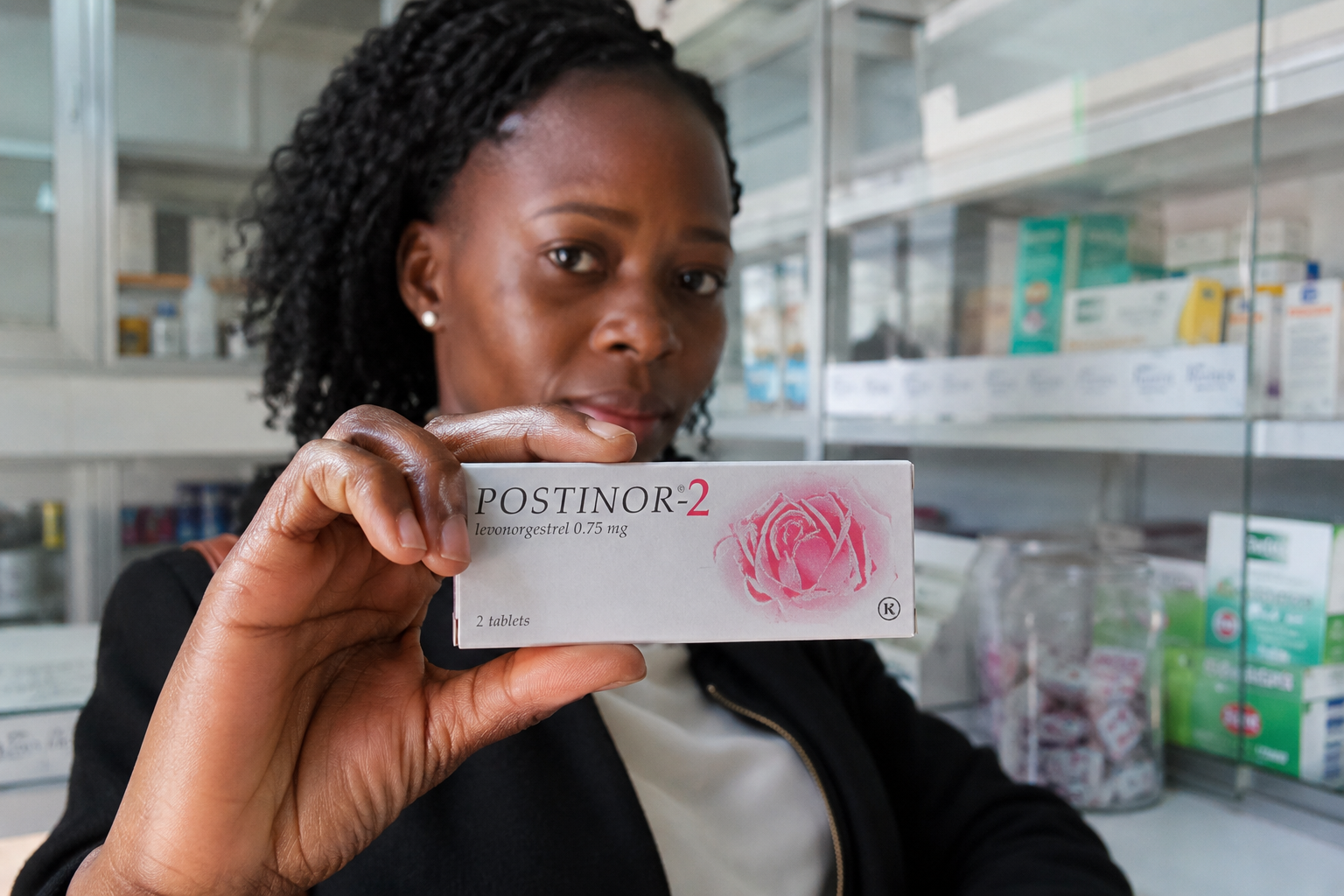
A new health alert has put emergency contraceptive pills under the spotlight in Kenya after the Pharmacy and Poisons Board warned about a falsified batch of Postinor-2 circulating in the market. The warning has raised concerns about pregnancy prevention, possible health risks and what women should know if their periods change after taking emergency contraception

Kenya Warned Over Fake Postinor-2
The Pharmacy and Poisons Board has warned Kenyans about a falsified batch of Postinor-2 emergency contraceptive pills found circulating in the Kenyan market.
The alert, which has attracted attention across the country, concerns Postinor-2 containing levonorgestrel 0.75mg and carrying batch number T34197R.
According to the regulator, the product falsely claims to have been manufactured by pharmaceutical company Gedeon Richter Plc.
The Pharmacy and Poisons Board said the suspected falsified product was identified through its post-marketing surveillance activities, which are used to monitor medicines and other health products available in Kenya.
The warning has caused concern because Postinor-2 is widely known as an emergency contraceptive, commonly referred to as the "morning-after pill".
It is used after unprotected sex or when another contraceptive method fails.
For a woman taking emergency contraception, the expectation is simple: the medicine should work as intended.
But with a falsified medicine, that assurance may not exist.
What Is Wrong With the Fake Batch?
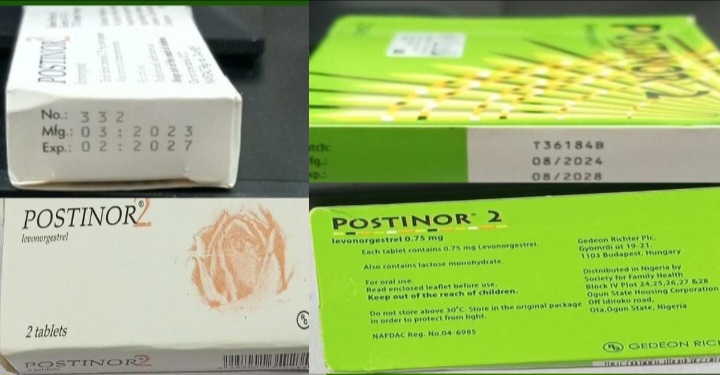
The Pharmacy and Poisons Board says the falsified product has several differences from genuine Postinor-2 supplied by Gedeon Richter.
These differences include the way the batch number is printed, the patient information leaflet and the way the carton is sealed.
The regulator also identified differences in the intensity of the orange colour used on the packaging and differences in the font displayed after scratching the authentication panel.
The counterfeit packaging reportedly does not use the same hot-melt closure found on genuine products.
The affected batch is:
Postinor-2 — Levonorgestrel 0.75mg
Batch number: T34197R
However, consumers should not assume that every packet of Postinor-2 is fake. The alert specifically concerns the identified falsified batch.
Why the Fake Pills Could Be Dangerous
The biggest concern is not simply that the packaging looks different. It is what may be inside the tablet.
The Pharmacy and Poisons Board has warned that the falsified batch may contain an incorrect amount of the active ingredient, no active ingredient at all, harmful contaminants or undeclared substances.
This means the medicine may fail to provide the intended contraceptive effect.
For a woman who has taken the pill after unprotected sex, this could have serious consequences.
She may believe she has taken emergency contraception and therefore believe that her risk of pregnancy has been reduced.
If the product does not contain the correct medicine or dose, however, that protection cannot be guaranteed.
This is why counterfeit medicines are more than a problem of poor packaging. They can directly affect people's health.
Can Fake Contraceptives Cause Pregnancy?
One of the biggest concerns for women who may have taken a falsified emergency contraceptive is whether they could become pregnant.
The answer is that a falsified product may fail to provide the expected contraceptive effect.
The PPB has specifically warned that the affected batch may contain no active ingredient or an incorrect amount of the active ingredient.
That does not mean every woman who has used the affected batch will become pregnant.
Pregnancy risk depends on several factors, including when sex occurred, when emergency contraception was taken and whether ovulation had already occurred.
Anyone who believes they may have taken a suspected falsified product should seek advice from a qualified healthcare professional rather than relying on assumptions.
What About Your Period After Taking P-2?
The fake medicine alert has also raised an important question among women: Can Postinor-2 change your period?
Yes.
Even when emergency contraception is genuine, it can temporarily affect the menstrual cycle.
Some women may find that their next period comes earlier than expected, others may find that it comes later. Some may experience spotting or changes in the amount of bleeding.
This means a change in your period after taking P-2 does not automatically mean that you took a fake pill.
Menstrual cycles naturally vary, and emergency contraception can temporarily affect the timing of the next period.
This distinction is important because the current Kenyan alert concerns a falsified product, while changes in menstrual bleeding can also occur after using genuine hormonal contraception.
Why Does Emergency Contraception Affect Periods?
Postinor-2 contains levonorgestrel, a hormone used for emergency contraception.
Emergency contraceptive pills work mainly by preventing or delaying ovulation.
Because the menstrual cycle is controlled by hormones, changing the timing of ovulation can also affect when the next period arrives.
This is why some women notice that their period is different after taking emergency contraception.
A woman may experience:
- A period that comes earlier.
- A period that comes later.
- Light spotting.
- Heavier or lighter bleeding.
- Temporary changes in the normal menstrual pattern.
These changes do not necessarily mean that the medicine has damaged the reproductive system.
They also do not automatically indicate pregnancy.
When Should a Late Period Become a Concern?
A delayed period after emergency contraception can be worrying.
If your period does not arrive when expected, pregnancy may need to be ruled out, particularly if you had unprotected sex.
The best approach is to take a pregnancy test at an appropriate time and speak to a healthcare professional if you remain unsure.
A late period can have several causes, including the effect of emergency contraception, natural changes in the menstrual cycle, stress and pregnancy.
Therefore, it is not accurate to look at a late period alone and conclude that a contraceptive was fake.
What If You Took the Suspected Fake Batch?
If you have Postinor-2 carrying batch number T34197R, do not ignore the warning.
Keep the packaging and seek advice from a qualified pharmacist, healthcare professional or the Pharmacy and Poisons Board.
If you have already taken the suspected falsified product, tell the healthcare professional exactly what you took and when you took it.
This information can help determine what should happen next.
If pregnancy is a concern, do not wait for symptoms before seeking appropriate advice.
It is also important not to take additional medicines simply because you are frightened that the first tablet was fake.
Get professional guidance about what options are appropriate.
Do Not Panic Over Every Change in Your Period
The current alert may make some women suspicious whenever their menstrual cycle changes after taking contraception.
But that would create another problem.
Changes in bleeding are known to occur with legitimate hormonal contraceptives.
Some women using hormonal contraceptive methods experience irregular bleeding or spotting, while others experience lighter periods or changes in how frequently they bleed.
Therefore, a changed period should be looked at together with other information.
Ask:
What contraceptive did I use?
Was it obtained from a legitimate source?
When did I take it?
When was my last period?
Could pregnancy be possible?
Am I experiencing any unusual or severe symptoms?
These questions are more useful than immediately assuming that the medicine was counterfeit.
How Can Women Protect Themselves?
The current warning is also a reminder about where people buy medicines.
Consumers should obtain contraceptives from legitimate, licensed pharmacies and healthcare facilities.
Buying medicines from unknown sellers, informal outlets or unverified online sources can increase the risk of receiving a falsified product.
The Pharmacy and Poisons Board has urged those involved in the pharmaceutical supply chain to obtain health products from licensed manufacturers, importers, distributors and retailers.
Consumers should also pay attention to official alerts from health authorities.
If a particular medicine or batch is recalled or flagged, people should not ignore the warning simply because the packaging looks normal.
What Should Pharmacies Do?
The responsibility does not fall entirely on consumers. Healthcare professionals and medicine suppliers also have an important role to play.
The Pharmacy and Poisons Board has urged healthcare professionals to remain vigilant, verify the authenticity of their stocks and quarantine suspected falsified products.
This is important because patients often trust pharmacies and healthcare workers to ensure that the medicines they receive are genuine.
A strong medicine-supply system should make it difficult for counterfeit products to reach consumers in the first place.
The Bigger Concern: Trust in Contraception
The fake Postinor-2 alert comes at a sensitive time for reproductive healthcare.
Contraception allows women and couples to make decisions about pregnancy and family planning.
Emergency contraception also provides an option when unprotected sex occurs or another contraceptive method fails.
When a falsified product enters the market, it can undermine that trust.
A woman should be able to buy a medicine and have confidence that it contains what the label says it contains.
The current alert therefore raises questions not only about one batch of Postinor-2, but also about the importance of strong medicine surveillance and enforcement in Kenya.
What Kenyan Women Should Remember
The most important message from the current alert is not that all contraceptives are fake.
It is that consumers need to be careful about specific products and batches that have been officially flagged.
At present, the Kenyan warning concerns Postinor-2, levonorgestrel 0.75mg, batch T34197R. The product is described by the regulator as falsified and as falsely claiming to have been manufactured by Gedeon Richter Plc.
If you have a packet with that batch number, seek professional advice rather than using it.
If your period changes after taking genuine emergency contraception, do not immediately assume that you have used a fake product.
Emergency contraception can temporarily change the timing and pattern of menstrual bleeding.
However, if your period is significantly delayed, pregnancy is possible, or you experience severe pain, unusually heavy bleeding or other worrying symptoms, seek medical care.

The Bottom Line
Kenya's latest fake Postinor-2 alert is a serious public-health warning, but it should not create unnecessary fear around contraception.
The Pharmacy and Poisons Board has identified a specific falsified batch and warned the public about the potential risks.
The key message for consumers is simple: buy contraceptives from legitimate sources, pay attention to official medicine alerts and seek professional advice if you suspect that you have received a falsified product.
And when your period changes after taking emergency contraception, remember that a change in bleeding does not automatically mean the medicine was fake.
Sometimes, the menstrual cycle is simply responding to the hormones in a genuine contraceptive.
The difference matters because women need both safe medicines and accurate information to make informed decisions about their reproductive health.















Comments (0)
No comments yet. Be the first to share your thoughts!