



Central Bank of Nigeria (CBN) Governor Olayemi Cardoso disclosed the figures at the BusinessDay CEO Forum in Lagos, revealing that the country's net external reserves—the spendable cash remaining after clearing foreign debts and obligations—have surged from about $3 billion to over $40 billion since the current administration's economic reforms began.
"When we started, net reserves were in the region of about $3 billion plus. Today, our net reserves are in the $40 billion range. It has been a long and difficult journey, but there has been a regime change at the Central Bank and that is what has produced these outcomes," Cardoso told business leaders.
From Panic to Stability
The turnaround has been dramatic. When Cardoso assumed office in October 2023, a J.P. Morgan report revealing Nigeria's dangerously low net reserve position had triggered widespread panic in the business community. Businesses and individuals sought to move their assets abroad amid fears over the country's financial outlook.

"Zero confidence. It was a very bad situation. Many people had lost hope," Cardoso recalled.
The CBN governor rejected criticism that he was responsible for the challenges, stating: "People pointed fingers at me but I was not the cause. I came to solve the problem. I had to roll my sleeves and attack it with everything I could. You can't be lily-livered. You can't be Mr Nice Guy to save it. You need discipline. You need integrity and trust. Once trust is lost, you're headed in the wrong direction".
What's Driving the Reserve Build-Up
The steady accumulation of reserves reflects a combination of factors:
- Unified exchange rate regime — The CBN abolished multiple exchange-rate windows that previously distorted the foreign exchange market, restoring transparency and credibility
- Cleared FX obligations — Outstanding foreign exchange owed to investors has been settled
- Higher interest rates — Attractive returns have encouraged foreign portfolio investment
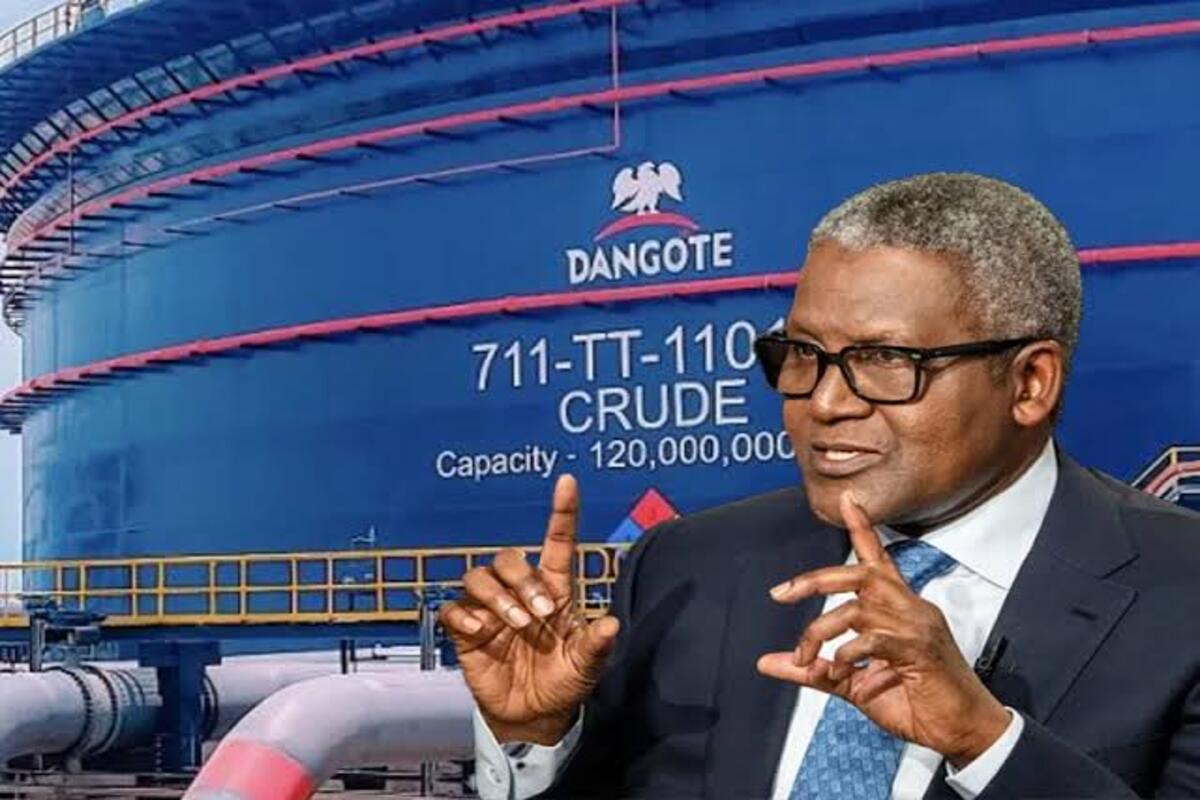
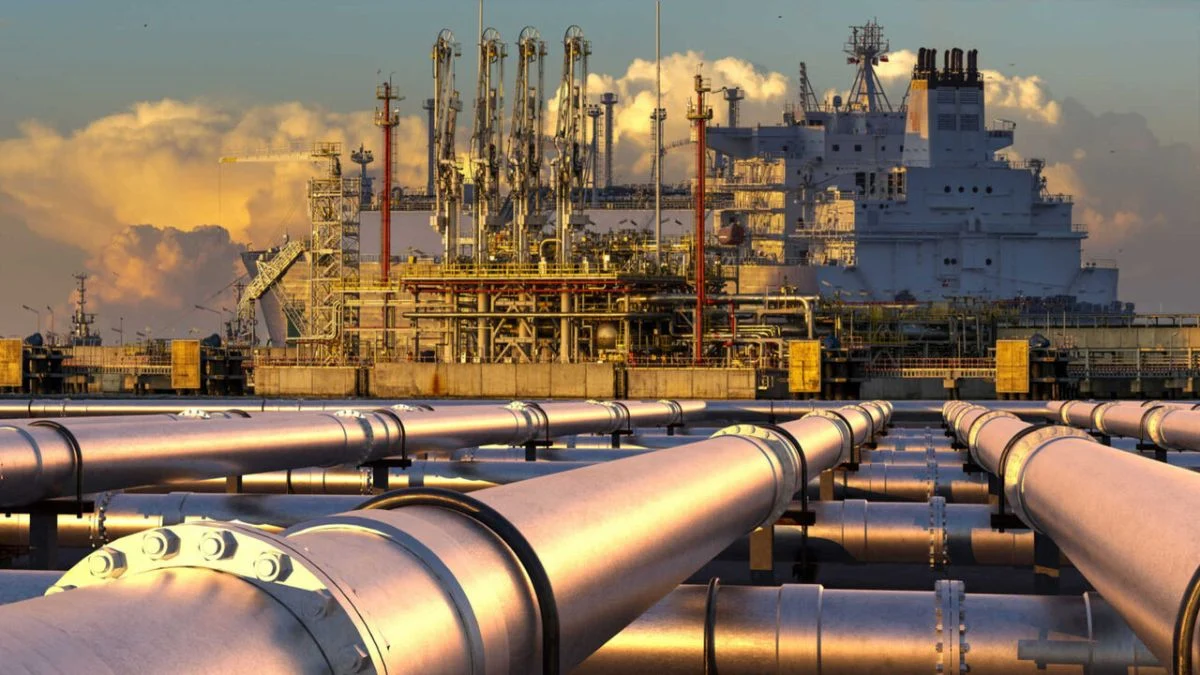
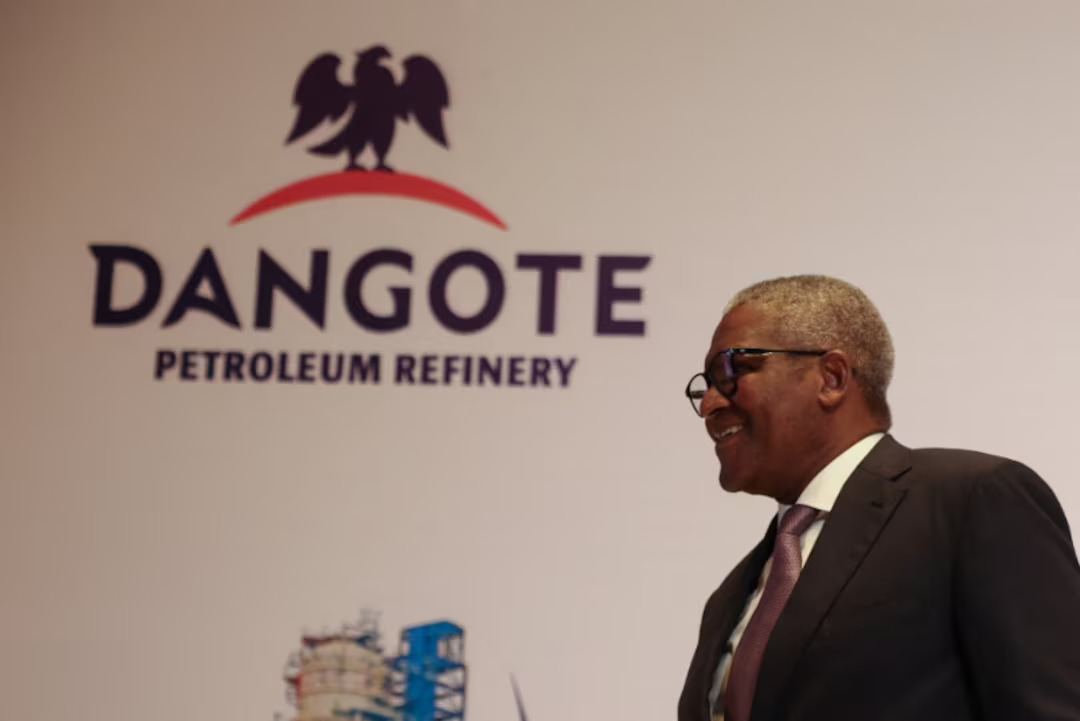
- Improved oil receipts — Production has recovered to about 1.7 million barrels per day, while Dangote Refinery's 650,000 barrel-per-day facility has significantly reduced costly fuel imports
- Growing diaspora remittances — Monthly inflows through official channels now stand at about $600 million, with the CBN targeting $1 billion per month by year-end
The current reserve level now provides approximately 10 months of import cover—a key indicator closely monitored by international investors and credit institutions.
A "Regime Change" in Monetary Policy
Cardoso credited the turnaround to a fundamental shift in how the CBN operates—what he described as a "regime change" at the apex bank. The reforms have restored policy credibility, a factor analysts say matters as much as the reserves themselves.
"Anybody that wants to argue about what the impact of these reforms have been, go and look at the results," Cardoso said.
Financial analysts note that the psychological impact of a healthy reserve position cannot be overstated, as confidence itself attracts capital and capital further strengthens reserves in a virtuous cycle.
Banking Sector Upgrade
The stronger reserve position is paving the way for a major upgrade in the banking sector. The CBN is requiring commercial banks to increase their capital base, ensuring they grow large enough to support private businesses with substantial loans rather than merely investing in government securities.
Cardoso expressed confidence that this recapitalisation will eventually bring down high inflation and lower loan interest rates as the financial environment settles.
Warning to Local Business Leaders
While international investors are already bringing fresh money into Nigeria due to the improved stability, Cardoso issued a stark warning to local business leaders:
"So, in a nutshell, I do believe that where we are now, we've achieved that hard-earned stability and with stability comes potential for investment and with investment comes growth and all our local CEOs should be part and parcel of that train that is moving".
He cautioned that waiting too long to start new projects would be a massive mistake, warning that if local business owners do not move quickly, foreign investors will "grab all the top opportunities" before the home team even wakes up.
Cautious Optimism
Despite the positive developments, analysts caution against complacency. Muda Yusuf, Chief Executive Officer of the Centre for the Promotion of Private Enterprise, warned against over-reliance on oil and neglecting the private sector, particularly micro, small and medium enterprises.
Bismarck Rewane, Chief Executive Officer of Financial Derivatives Company, urged the CBN to sustain its strategy by maintaining a genuinely market-driven exchange-rate regime, continuing inflation-focused monetary policy and limiting discretionary interventions.
"Nigeria has repeatedly built healthy external reserves during oil booms only to deplete them rapidly through unsustainable fiscal spending, exchange-rate subsidies and excessive interventions," analysts warn.
Cardoso acknowledged the challenges ahead, noting that inflation rose to 15.9% in May from 15.7% in April, partly due to external shocks such as the US-Iran conflict . However, he expressed optimism that inflation would moderate further next year as the MPC continues to rely on economic data in determining policy direction.
With reporting from THEWILL, New Telegraph, The Sun Nigeria, Vanguard, Arise News, BusinessDay Nigeria and Punch Newspapers.










Comments (0)
No comments yet. Be the first to share your thoughts!