

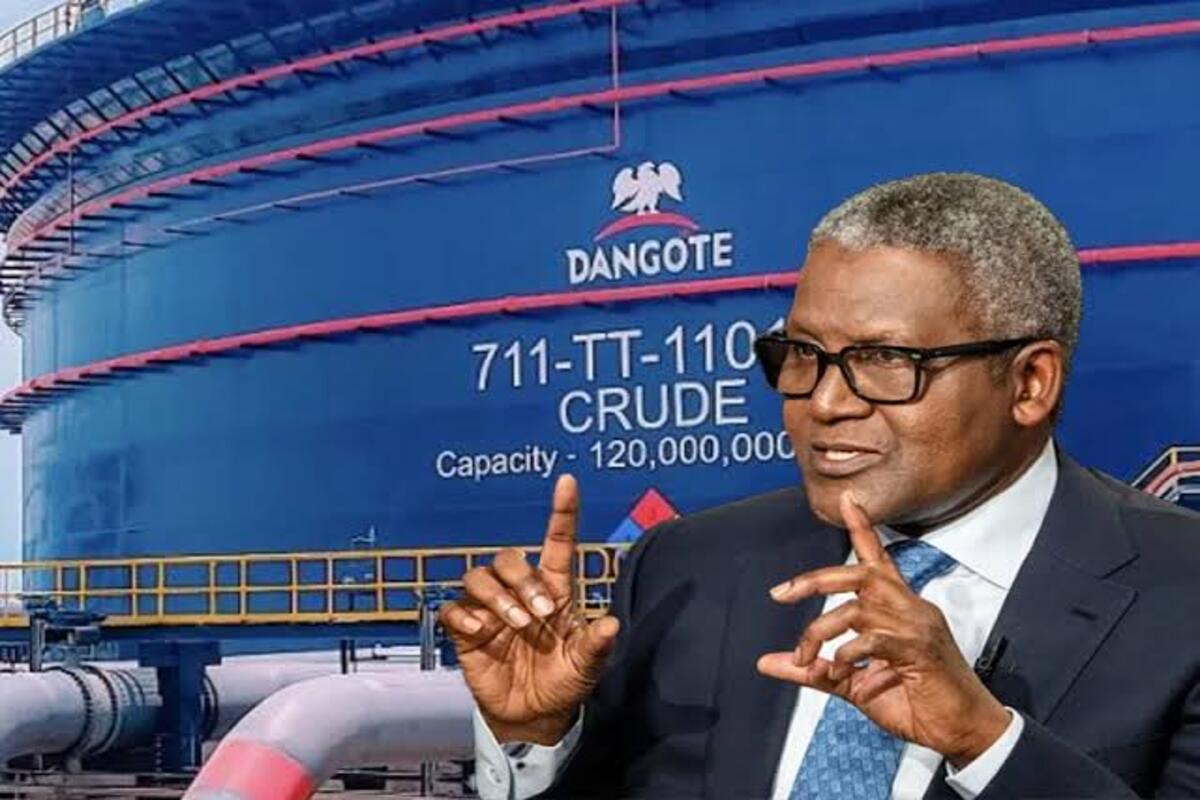
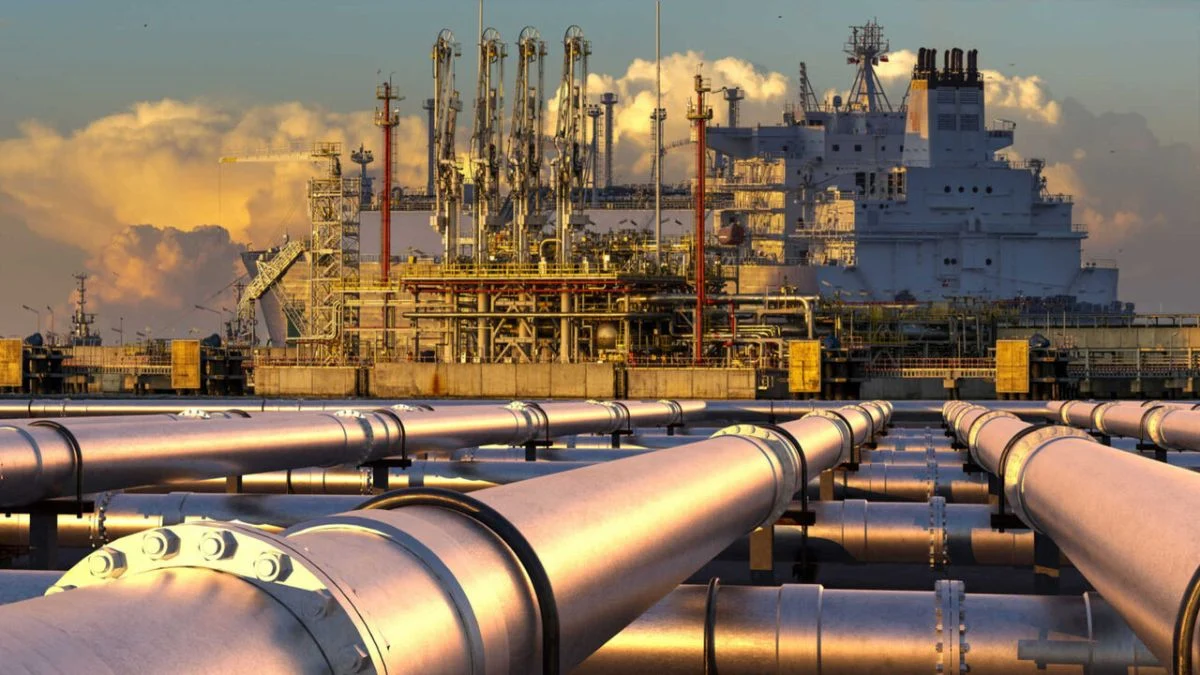
The proposed refinery will be built in Lamu and is expected to have a processing capacity of about 700,000 barrels of crude oil per day, matching the capacity of Dangote's giant refinery in Nigeria. The project is estimated to cost about $16 billion, while associated port and petrochemical infrastructure could push the overall investment closer to $20 billion.
Kenya is considering taking a 10 per cent stake worth approximately $500 million, according to David Ndii, economic adviser to President William Ruto. Ethiopia and Rwanda have also expressed interest in participating in the regional ownership structure.

The offer marks a significant expansion of Dangote's refining ambitions beyond West Africa and could transform the Lamu project from a Kenyan investment into a regional energy venture.
A refinery for a fuel-importing region
East African economies remain heavily dependent on imported refined petroleum products, exposing them to international oil prices, shipping costs and disruptions in global supply chains.
A large refinery located on Kenya's coast could provide a major regional source of petrol, diesel, jet fuel and other petroleum products. Kenya, Ethiopia and Rwanda could potentially use their ownership stakes to secure closer access to refined fuel, although the actual benefits would depend on future commercial agreements, pricing and distribution networks,also this project could also create a new regional supply chain linking crude producers, the refinery and fuel-consuming economies.
Uganda is particularly important to the equation because it is developing its own oil resources and has already committed to the East African Crude Oil Pipeline to Tanzania although it has not stated whether its committed to taking a stake in the Lamu refinery because it is also pursuing plans for its own refinery.
Why Lamu
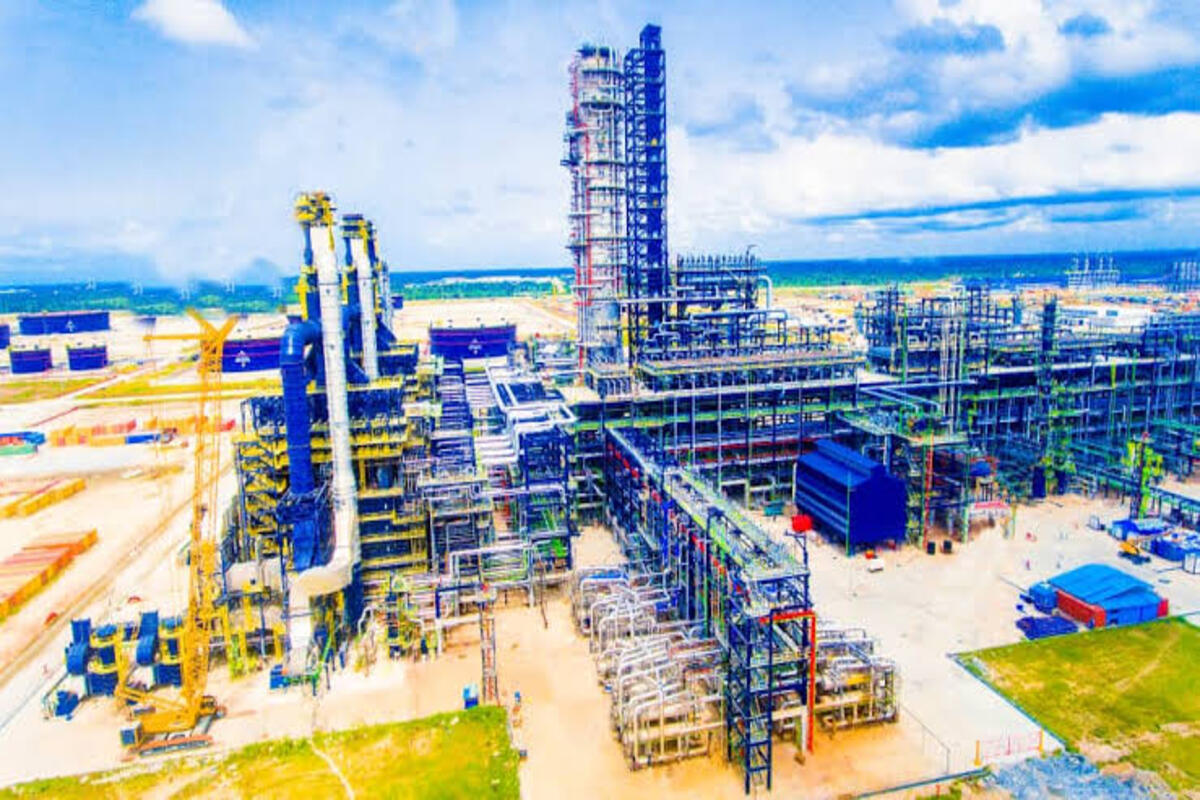
The decision to locate the refinery in Lamu gives the project significance beyond petroleum because Lamu is the site of Kenya's developing Lamu Port, which forms part of the Lamu Port-South Sudan-Ethiopia Transport corridor, or LAPSSET. The corridor is intended to connect Kenya's coast with landlocked markets in East and Central Africa and especially with a refinery of this scale there will be an increase in activity at the port and encourage additional investment in storage facilities, pipelines, transport, manufacturing and other supporting infrastructure which could also provide a major economic anchor for Lamu, where the port has faced challenges in attracting sufficient commercial activity.
Dangote's African expansion
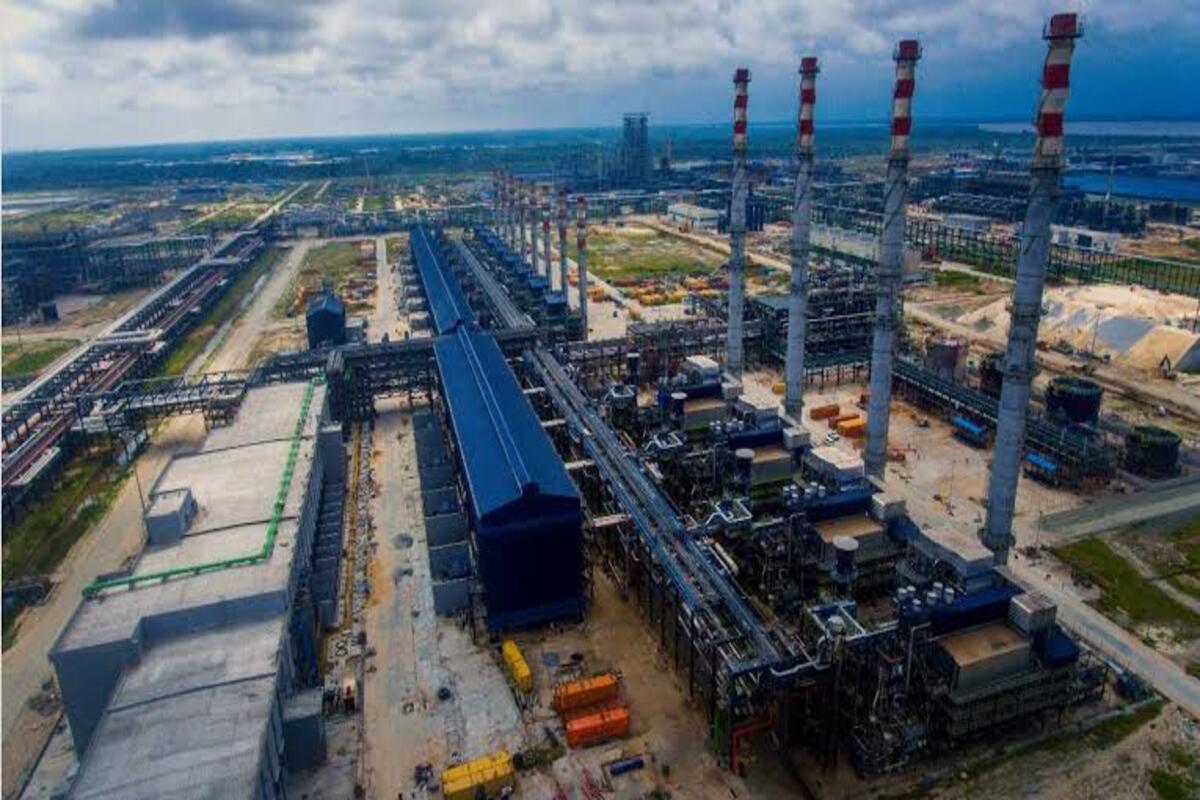
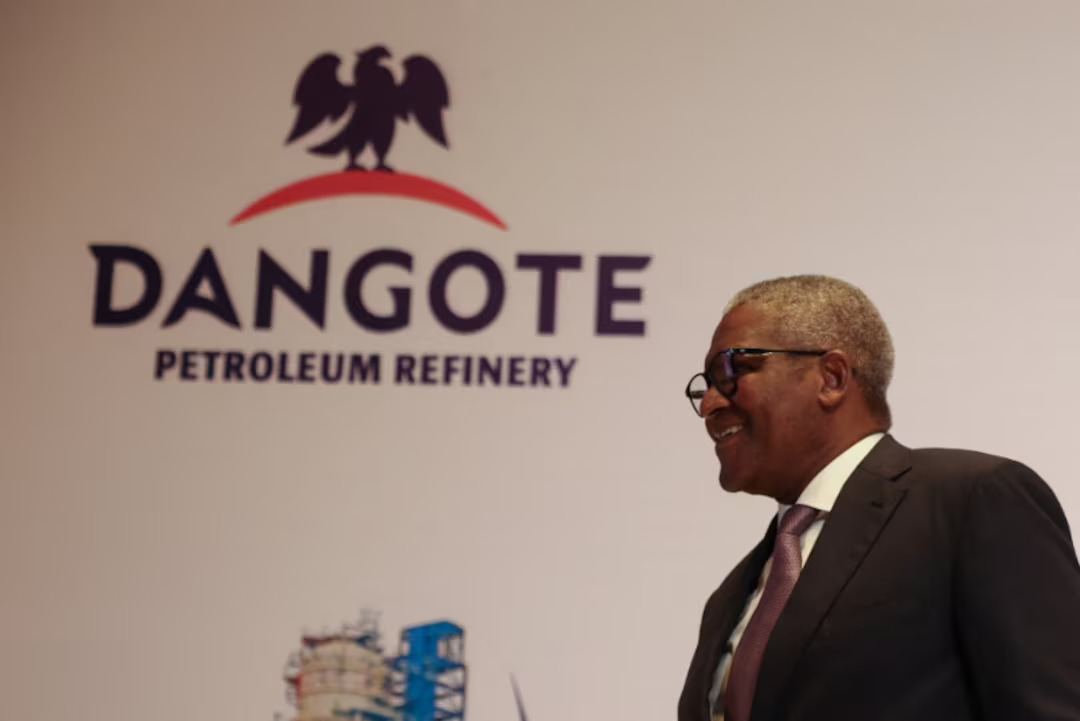
The proposed Kenyan refinery follows the completion of Dangote's 700,000-barrel-per-day refinery near Lagos, which has become one of Africa's largest refining facilities.
The Nigerian refinery has increasingly supplied petroleum products to domestic and international markets and has attracted growing investor interest with international media reporting that the facility had secured a $1 billion underwriting programme ahead of a planned initial public offering.
Dangote's move into East Africa therefore represents more than a single investment.
It signals an ambition to build a pan-African industrial and energy business capable of operating across major regional markets.
What does East Africa gain
For participating governments, taking equity in the refinery would mean more than simply buying fuel from a new supplier.
They would become shareholders in a major industrial asset and could potentially benefit from future revenues.
Kenya's proposed $500 million investment would give it a direct stake in the project, while Ethiopia and Rwanda could gain a strategic interest in a regional energy facility despite having no coastline of their own.
The project could also create employment during construction and operation while supporting businesses involved in engineering, transportation, logistics, maintenance and other services.
However, governments will need to carefully assess the financial risks before committing public funds.
A refinery costing billions of dollars requires reliable crude supplies, large markets, extensive infrastructure and years of construction. Its profitability will ultimately depend on operating costs, fuel demand, international prices and competition from other refineries.
A new regional energy hub
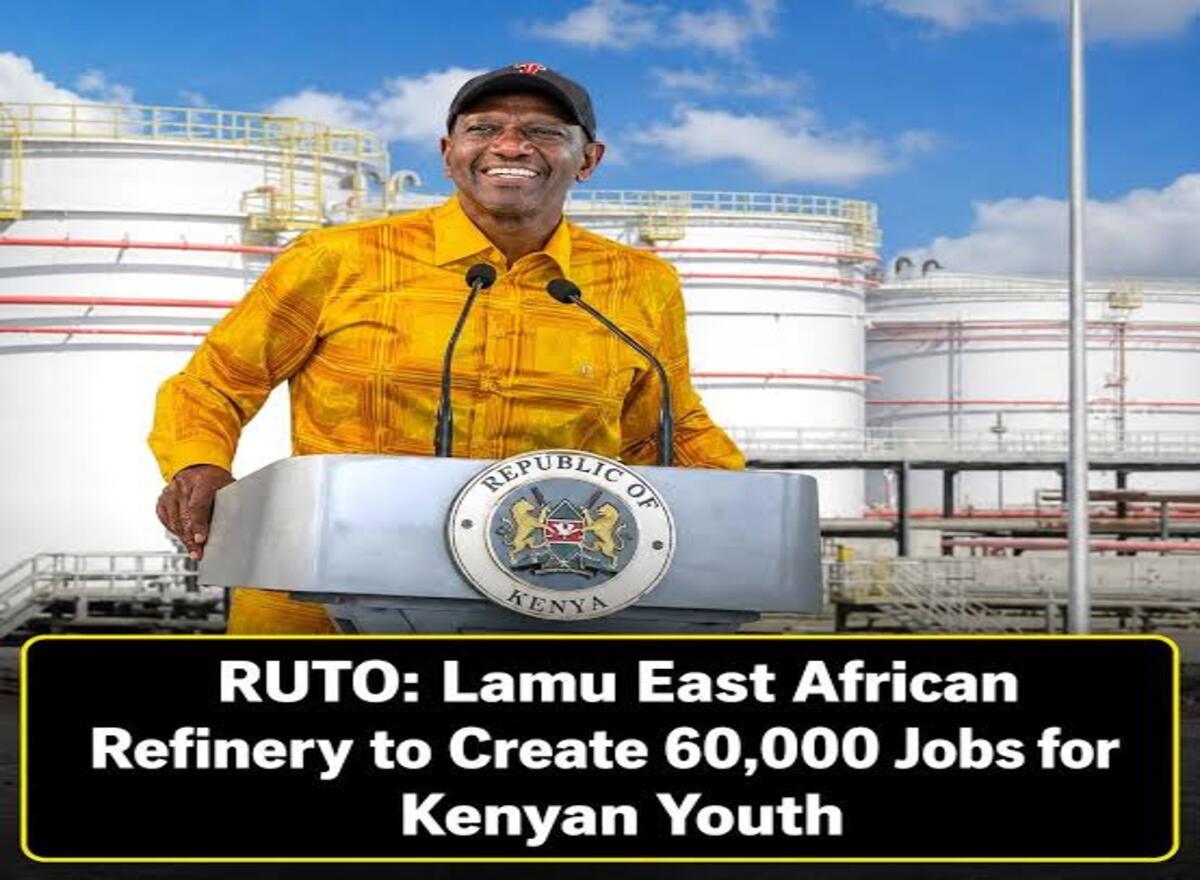
If implemented, the Lamu refinery could reshape East Africa's energy landscape.
Rather than individual countries relying heavily on imported refined fuel, the region could develop a major refining and distribution centre connected to several neighbouring markets.
For Dangote, the project would extend a business model that has already made his Nigerian refinery one of Africa's most significant industrial projects and therefore
for East Africa, it could become an important test of whether governments can work with private African capital to build infrastructure serving several national markets.
The immediate challenge, however, is turning the proposal into reality.
Construction is expected to begin later this year, with groundbreaking targeted for September, according to recent reports. The scale of the project means financing, crude supply agreements, environmental approvals and regional commitments will all be closely watched.
If Dangote succeeds, Lamu could become more than another Kenyan port city but emerge as one of East Africa's most important energy hubs and a new centre of African-owned industrial power.












Comments (0)
No comments yet. Be the first to share your thoughts!