



Africa is actively advancing livestock technology through mobile-based platforms, digital disease tracking, and nutritional innovations, though adoption varies widely by region.
Wearable sensors, AI-driven disease diagnostics, and digital tracking are being tested in regions like Nigeria and East Africa to monitor herd health and behavior. Innovations such as cost-effective mineral blocks and improved silage preparation are helping farmers overcome nutrient deficiencies in grazing livestock. Centralized digital libraries like the Livestock knowledge platform provide remote farmers and stakeholders with vital data on animal husbandry and disease control.

Kenya's livestock sector—which contributes significantly to the agricultural GDP and supports millions of smallholders and pastoralists. Kenya is home to an estimated 77 million livestock, making the sector one of the country’s most strategic economic pillars. Livestock contributes about 12 percent of Kenya’s gross Domestic Product and approximately 40 percent of agricultural GDP, while supporting the livelihoods of millions of people particularly in arid and semi-arid lands-ASALs.This sector is undergoing a major technological transformation. Modern tools address longstanding challenges like disease control, low breeding productivity, severe droughts, and market access. In east Africa, Kenya is in the leading line in utilizing technology in livestock production and agriculture in general.
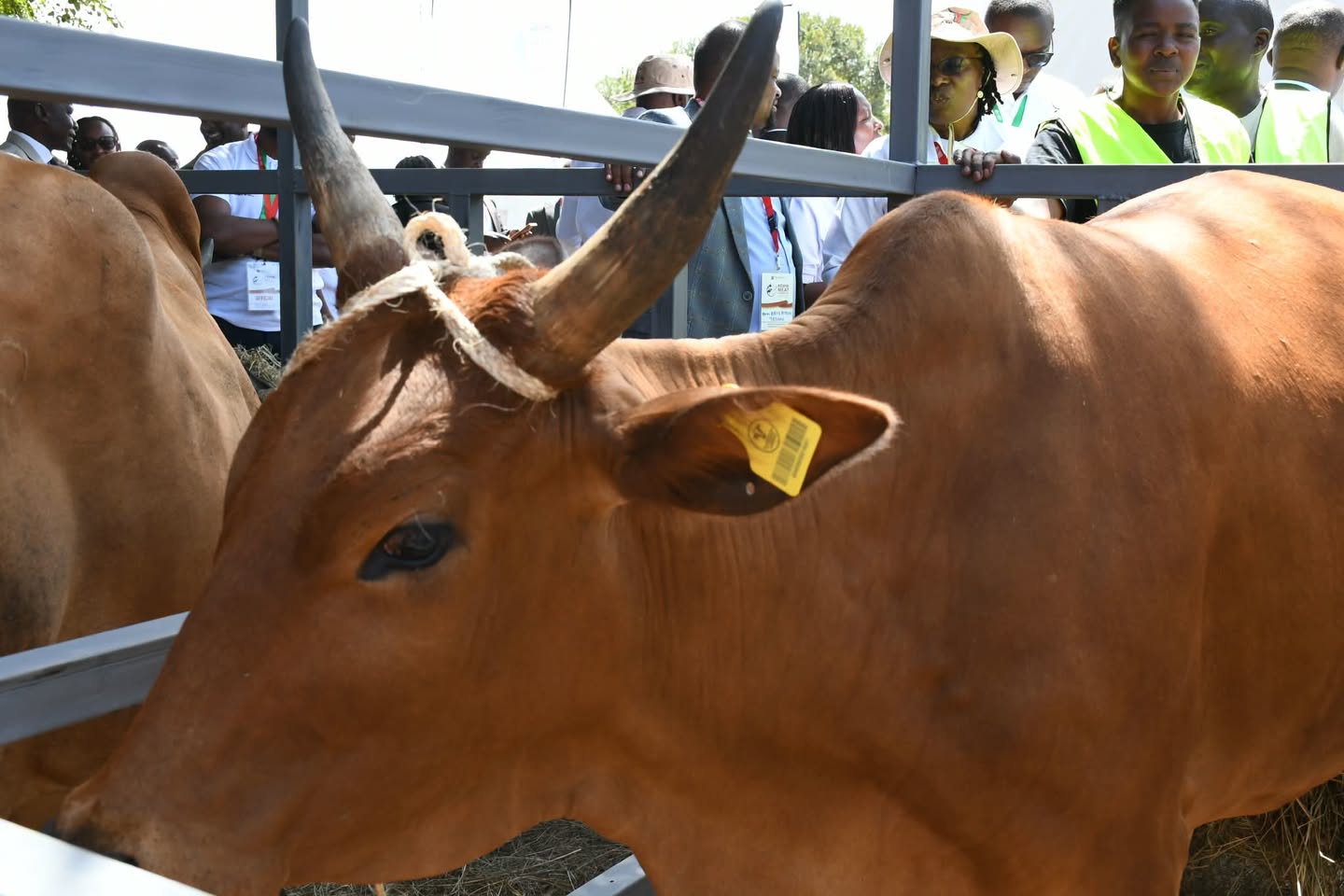
Traceability System (ANITRAC) use RFID and electronic ear tags paired with mobile databases.
Some Key Technologies Driving Kenyan Livestock Farming are:
- Mobile Advisories & Herd Management: Digital platforms such as iCow leverage USSD, mobile apps, and SMS to deliver tailored breeding calendars, deworming alerts, disease prevention tips, and feeding guidance to smallholders.
- Advanced Breeding & Genetics: Organizations like the Kenya Animal Genetic Resources Centre (KAGRC) and KALRO deploy sexed semen technology and artificial insemination (AI) mapping. This allows dairy farmers to strategically increase female calf births, optimizing milk yields and accelerating herd genetic quality.
- Satellite & Parametric Livestock Insurance: Through programs like DRIVE (De-risking, Inclusion and Value Enhancement of Pastoral Economies) and index-based livestock insurance (IBLI), satellite technology measures vegetation cover (NDVI). When drought depletes pastures, payouts are triggered automatically via mobile money (M-Pesa) before animals perish.
- Disease Surveillance Apps: Field veterinarians and community health workers use mobile tools (such as EpiCollect and localized reporting software) to log geo-tagged outbreak data. This allows early detection of diseases like Foot-and-Mouth (FMD) or Rift Valley Fever, enabling targeted vaccination campaigns.
- Farm Mechanization & Value Addition: Medium- to large-scale dairy and poultry farms are increasingly adopting automated milking machines, solar-powered cold-chain cooling units, and motorized feed choppers/pelletizers to reduce manual labor and cut post-harvest milk spoilage.
- Digital Traceability & Identification: Initiatives like the Animal Identification and Traceability System (ANITRAC) use RFID and electronic ear tags paired with mobile databases. This tracks an animal’s health history, vaccinations, and movement. It combats cattle rustling in pastoral regions while helping Kenyan meat meet stringent international sanitary standards for high-value export markets.
Why is Animal Identification and Traceability System (ANITRAC) a vital tool in Kenya?
Kenya is implementing the Animal Identification and Traceability System (ANITRAC), a nationwide initiative driven by Agriculture and Livestock Development Cabinet Secretary Mutahi Kagwe to assign unique digital identities to livestock. The system tracks animals throughout their lifetime, recording origin, ownership, health status, and movements to enhance trade, prevent theft, and improve disease control.
Animals can be physically identified using visual ear tags and microchips, with their details linked to a central digital platform that can be accessed by authorized authorities, veterinarians, abattoirs, traders and other players in the livestock value chain.
“Going forward, every Kenyan animal should have an identity and a traceable history. This will help us improve livestock management, strengthen disease surveillance, enhance food safety and open up better markets for our livestock producers,” Kagwe said.
The push comes amid recent cases of livestock theft and cattle rustling in different parts of the country, with farmers and pastoralists losing large numbers of animals and facing devastating economic consequences. In some cases, efforts to recover stolen herds have also exposed security officers and communities to violent confrontations. For families whose livelihoods depend on livestock, the loss of an entire herd can wipe out a major source of income accumulated over years, making livestock theft not only an agricultural problem but also an economic and security concern.
ANITRAC is intended to make it harder for stolen animals to enter formal markets because an animal whose identification, ownership, or movement records do not match could be flagged for verification before it is sold or processed.
Beyond theft, the digital trail could allow authorities to quickly trace animals during disease outbreaks by establishing where an infected animal came from and which other animals it may have come into contact with. The newly rolled-out system will help the national and county government knowing the approximate number of livestock, which would help in planning for vaccinations, surveillance of diseases and knowing migration patterns within the county. The system also Provides government agencies with accurate data on livestock populations and movements for efficient policy, pasture management, and feed distribution planning.
The government is also linking the system to Kenya’s ambitions of entering more lucrative international markets, where buyers increasingly require proof of an animal’s origin, health status and movement history before accepting livestock and meat products. Kagwe has urged farmers and pastoralists to combine traceability with investments in improved genetics, artificial insemination, animal nutrition, commercial feedlots, livestock insurance and climate-smart production as Kenya seeks to capture more value from its livestock industry.
Because each registered animal has a verified owner, age, and health history, financial institutions can accept livestock as recognized asset collateral, allowing farmers to secure loans and credit. Accurate digital IDs reduce fraud, simplifying the processing of index-based micro-insurance policies for drought or disaster relief.
What are the shortcomings of technology in Kenyan livestock production sector?
However, ANITRAC’s success will depend on how well the Government reaches farmers in remote areas, enforces registration, and protects livestock owners’ data. It will also need to ensure farmers understand the system and can easily use it to effectively curb theft and support livestock trade.
Despite the efforts of Kenya and other countries in engaging technology in livestock, there’s a lot of shortcomings. However, the governments are a lot to ensure all works. All these includes:
High Initial and Maintenance Costs for Smallholders: Equipping animals with RFID tags, microchips, or visual ear tags incurs costs that can strain small-scale and resource-poor pastoralist farmers. Re-tagging costs due to loss, wear, or damage create an ongoing financial burden.
Connectivity and Infrastructure Deficits: ANITRAC relies heavily on electronic readers, mobile networks (e.g., KIAMIS integration), and centralized database synchronization. In remote pastoral areas (such as parts of the North Rift or Arid and Semi-Arid Lands), poor cellular connectivity and lack of electricity hinder real-time data uploads and verification.
Tag Loss, Tampering, and Bypassing: Physical ear tags and RFID devices can fall off in rough bush terrain or be deliberately removed or altered by cattle rustlers seeking to bypass the central ownership registry.
Enforcement and Compliance Resistance: Informal livestock trading, localized village slaughterhouses, and cross-border animal movements often operate outside formal channels. Without strict enforcement across informal markets, unregistered animals still freely enter the meat chain.
Database Dependency and Technical Illiteracy: Many rural livestock keepers face technological barriers when interacting with digital platforms, SMS confirmation systems, or app-based databases. System downtime or delayed database updates can paralyze animal transit permits and livestock market sales.
Capacity and Veterinary Personnel Shortages: Effective implementation requires sufficient extension officers, county veterinary officers, and abattoir inspectors equipped with digital scanners to tag calves, update records, and verify carcasses nationwide.
Closing the Gaps: How Kenya Is Overcoming ANITRAC’s Early Implementation Hurdles
The Kenyan Ministry of Agriculture and Livestock Development is actively implementing several key measures to ensure the Animal Identification and Traceability System (ANITRAC) operates successfully across the country:
The government is issuing a dual-tagging system for cattle, sheep, goats, and camels. Each registered animal gets a visual ear tag on the left ear and an RFID electronic microchip tag on the right ear to link the animal directly to a central database.
To maintain supply and support local economic growth, the RFID tags and tracking chips are manufactured locally in Kenya, ensuring cost-efficient availability and creating job opportunities.
The government drafted and introduced the ANITRAC Bill to provide a firm legal framework for compulsory animal registration, digital movement permissions, and verification standards across all 47 counties.
Led by Agriculture Cabinet Secretary Mutahi Kagwe, national teams are conducting county-by-county sensitization drives and tagging exercises in partnership with local county government livestock departments.
To drive adoption among farmers, the government is linking ANITRAC data to mass vaccination campaigns and export requirements. Traceability logs allow Kenyan meat and live animals to meet strict global market standards while curbing cattle rustling by flagging untagged or unverified livestock at markets and slaughterhouses.




















Comments (0)
No comments yet. Be the first to share your thoughts!