


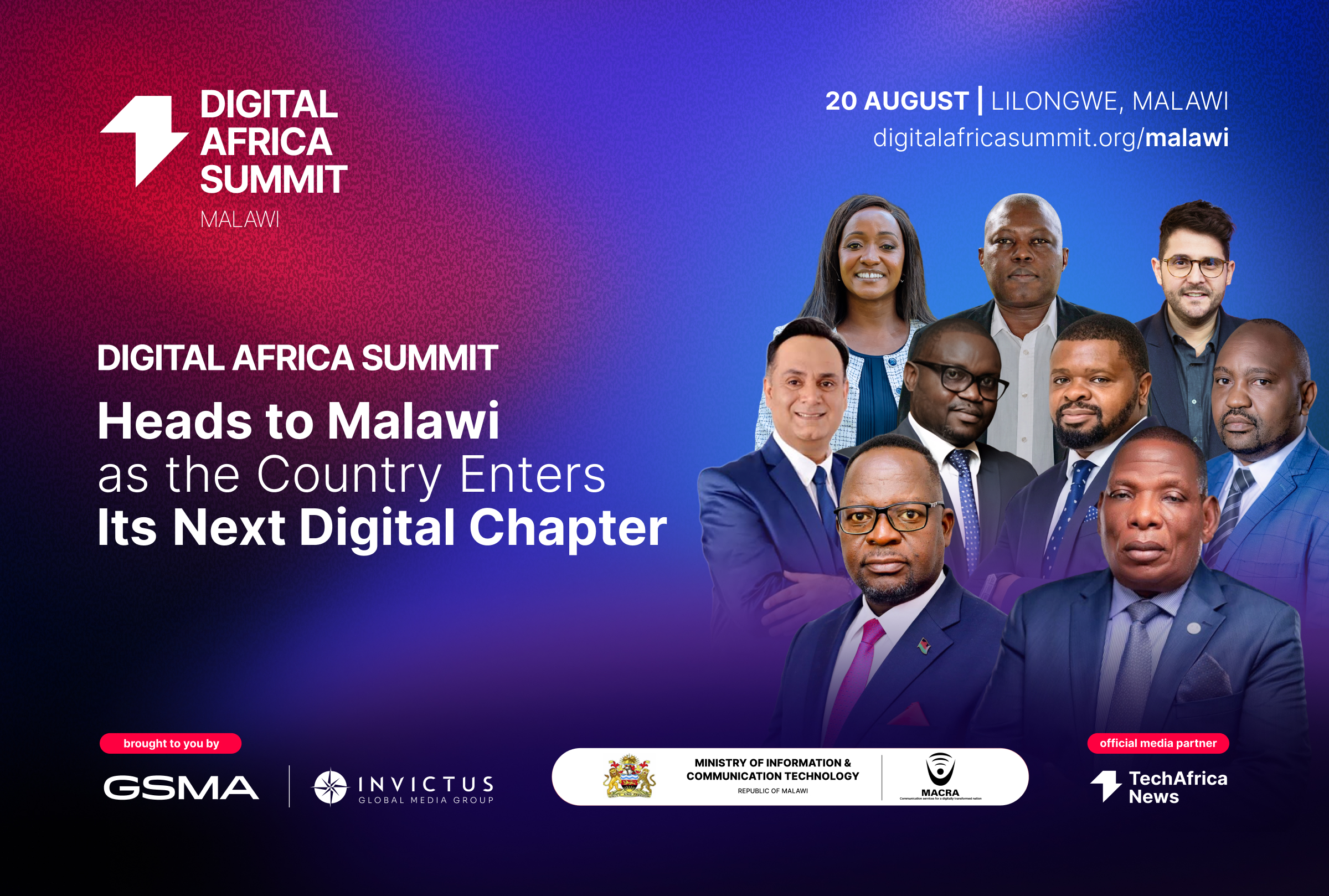
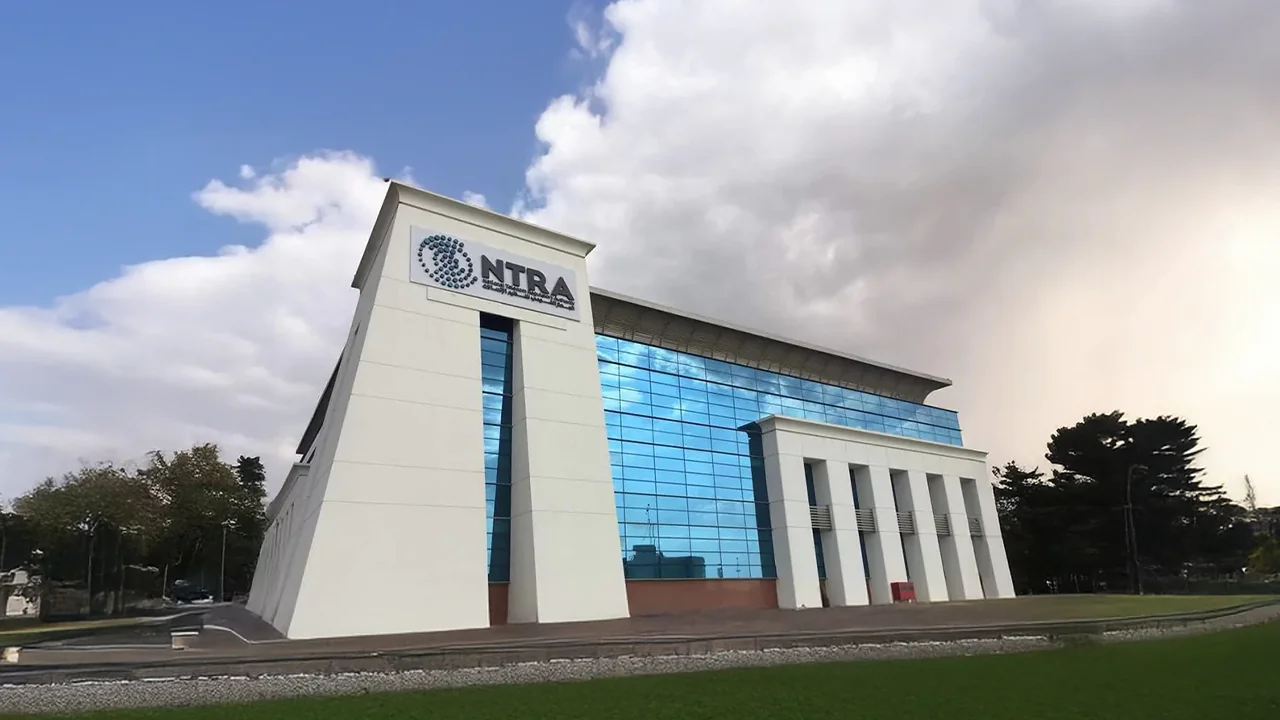
The Summit, organised by the GSMA and Invictus Global Media Group in partnership with Malawi's Ministry of Information and Communication Technology and the Malawi Communications Regulatory Authority, will focus on turning digital ambition into practical action at the market level. Previous editions have taken place across Africa, including in Ghana, Senegal, Uganda, the Democratic Republic of Congo, Rwanda and South Africa.
Malawi's Digital Landscape: Coverage Without Adoption
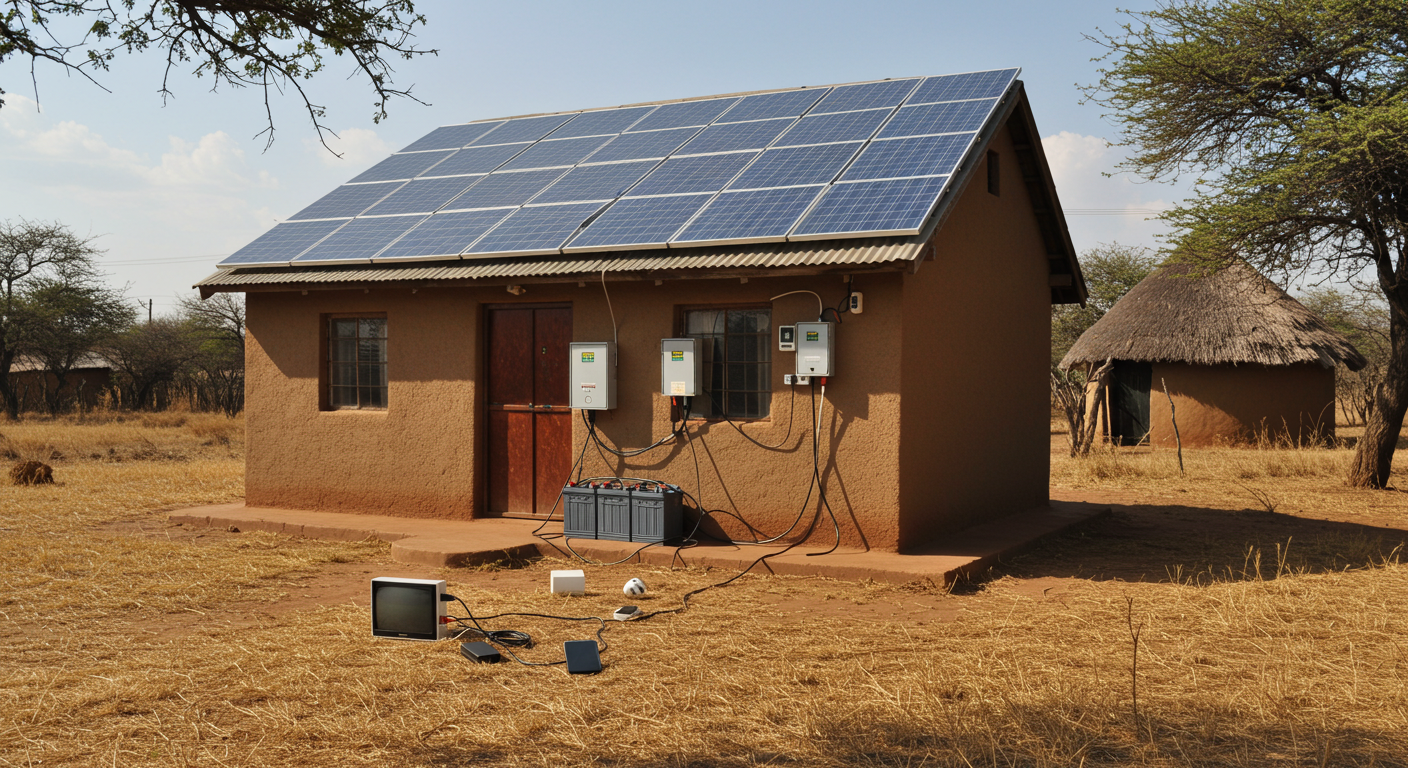
The infrastructure is largely in place. Mobile broadband now reaches most of the country, with 4G covering 87% of the population. However, the problem sits on the other side of the network: only 12.5% of Malawians are mobile internet subscribers, meaning the majority live inside a coverage footprint they do not use. Smartphones tell the same story from a different angle, remaining out of reach for most households and keeping coverage from translating into genuine connectivity.

Mobile money is the exception and the country's clearest digital success. Close to half the population actively uses an account, and the volumes moving through the system each quarter now amount to functioning national financial infrastructure rather than a promising pilot. It is a platform that government payments, social protection, agricultural value chains and public service delivery can all be built on top of.
What holds the rest back is less technical than institutional. Malawi scores 36 out of 100 on the GSMA Digital Africa Index for Digital Nations and Society, and 55 out of 100 on Policy and Regulatory, trailing regional peers on both. Fragmented policy execution, constrained access to foreign exchange for network investment, and a heavy tax burden on the sector combine to slow the very expansion the country needs. The gap between what Malawi has built and what Malawi uses is, at root, a policy gap.
The Centrepiece: Launching the GSMA Malawi Report
The anchor of the day is the official unveiling of the GSMA report, "Driving Digital Transformation of the Economy in Malawi: Opportunities, policy recommendations and the role of mobile." Its findings on Malawi's digital landscape and the policy recommendations that flow from them will be presented by GSMA before being opened up to the government, regulatory and industry leaders in the room.
Who Will Be in the Room
The programme brings Malawi's economic and digital leadership together on one stage. Hon. Dr. Shadric Namalomba, MP, Minister of Information and Communications Technology, will deliver a ministerial address on unlocking the social and economic impact of technology. Hon. Dr. Joseph Mwanamvekha, Minister of Finance, Economic Planning and Decentralization, will address fiscal innovation for digital expansion. Dr Angela Mjojo, Director National Payment Systems at the Reserve Bank of Malawi, is set to give a keynote.
On the regulatory and government side, Mayamiko Nkoloma, PhD, Director General of MACRA, will open with remarks on regulating for an enabling technology environment, and Harold Msusa, Principal Secretary at the Ministry of Information and Communications Technology, will deliver a keynote on policy reforms needed to drive internet adoption.
Caroline Mbugua, HSC, Senior Director of Public Policy and Communications at GSMA, will lead the report presentation, joined by Dr. Bienvenu Comlan Agbokponto Soglo, Spectrum Director at GSMA, on the policy recommendations. Industry is represented by Mr. Aashish Dutt, Managing Director of Airtel Malawi, and Mr. Lloyd Gowera, Chief Technology Officer at TNM, both of whom join the panel discussion.
What Will Be Discussed
The day's discussions will run across several critical areas:
- Regulatory modernisation – how Malawi's regulatory environment evolves from rule-setting into an active enabler of investment and adoption
- Infrastructure investment and financing – what it takes to fund network expansion and the fiscal conditions that make it viable
- Sector taxation – the balance between revenue collection and the affordability that drives usage
- Digital adoption and inclusion – closing the distance between coverage and actual use, from smartphone affordability to digital skills
- Mobile money and financial inclusion – building on Malawi's strongest digital asset
- Public-private alignment – how government, regulator and industry coordinate to mobilise investment and accelerate ecosystem development
Why This Matters
Malawi's digital story is not waiting on new technology. The networks exist, mobile money works and the ambitions are set out clearly in the National Digitalization Policy and in Malawi 2063. What remains is the harder work of alignment: getting the ministries, the regulator, the operators and the financiers to agree on which reforms come first and who moves when. Summits do not deliver that on their own, but they are where it starts, because the decisions involved cut across institutions that rarely sit at the same table.
Caroline Mbugua, Senior Director of Public Policy and Communications at GSMA, emphasised the significance of the moment:
"Malawi has done the difficult work of building network reach. The task now is converting that infrastructure into everyday use, and that is a policy question rather than a technical one. Coverage without adoption does not create jobs, does not expand tax revenue, and does not deliver services to citizens. What we are bringing to Lilongwe is the evidence base and the people with the authority to act on it, in the same room, on the same day."
Akim Benamara, Founder and Chairman of Invictus Global Media Group, highlighted the summit's approach:
"Africa's digital transformation is decided in rooms where policymakers, operators and investors are actually talking to each other, not in parallel conversations that never meet. Every edition is anchored in the host country's own priorities, because generic continental themes do not change anything on the ground. Malawi is where that principle is tested next, and the calibre of leadership joining us in Lilongwe tells you the country is serious."
Join Us in Lilongwe
The Digital Africa Summit Malawi Edition takes place on 20 August 2026 at the Mvuu Hall, Bingu International Convention Center. Registration is open to policymakers, regulators, operators, technology companies, investors and development partners working on Malawi's digital economy.
With reporting from TechAfrica News.









Comments (0)
No comments yet. Be the first to share your thoughts!