
A country known for wildlife — but a story that goes much deeper
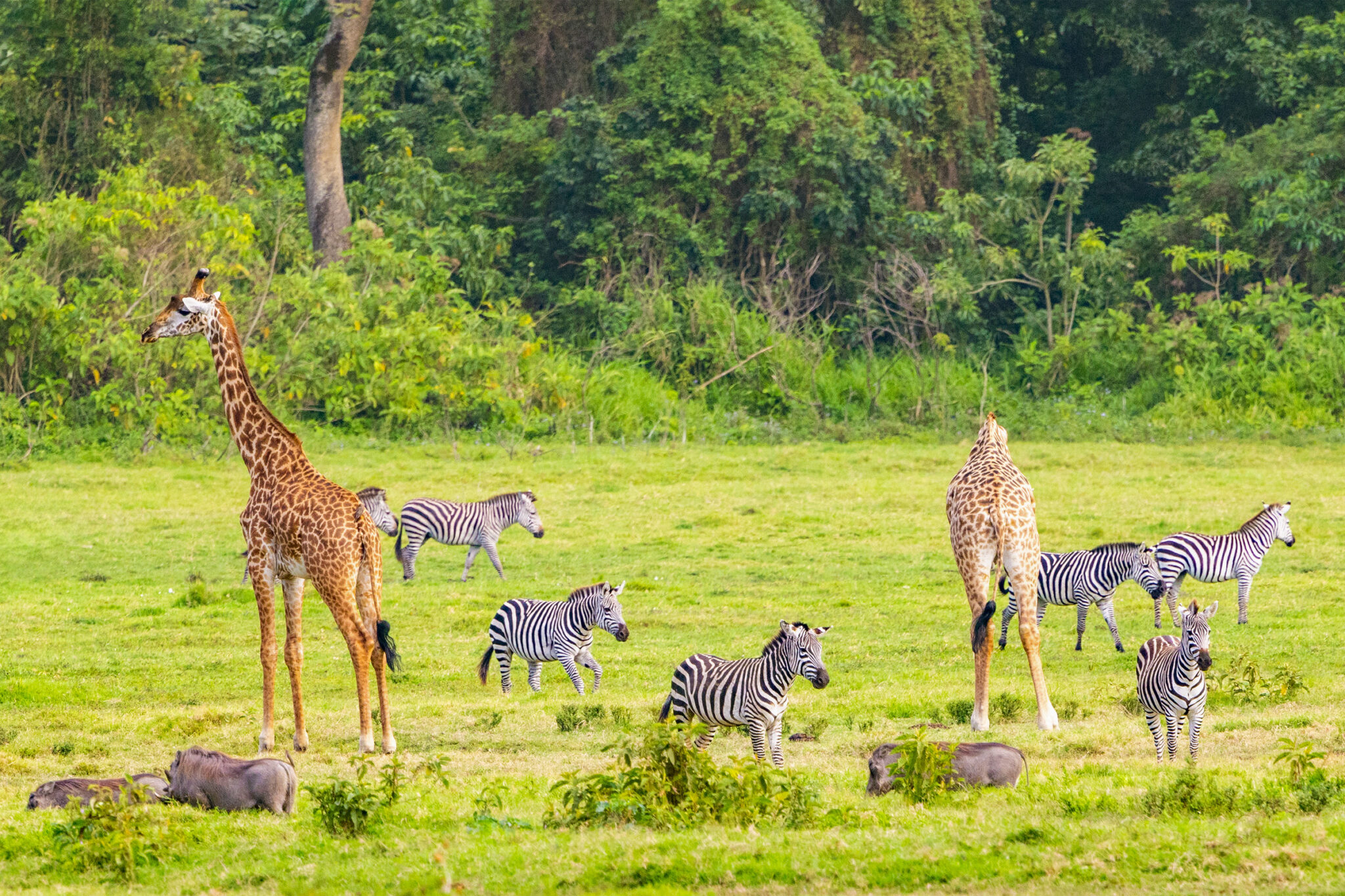
Kenya has built an international reputation around wildlife.
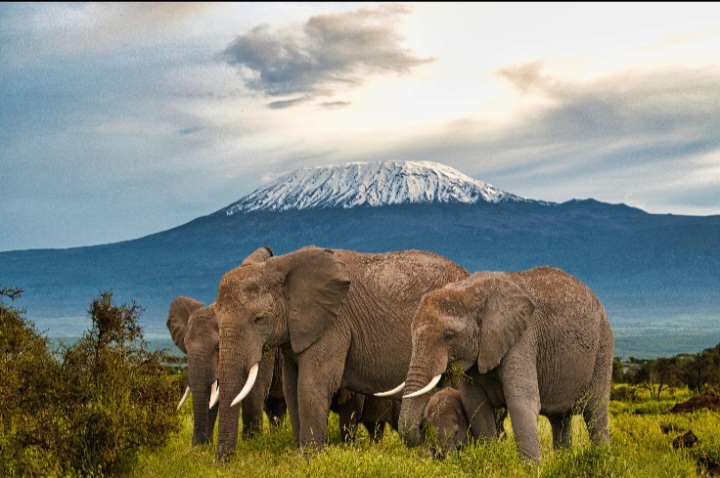
For decades, photographs of lions resting under acacia trees, elephants walking across dry plains and flamingos covering lakes have helped define the country's image around the world. Safari tourism remains an important part of the economy, providing employment and generating revenue for businesses and communities.

But reducing wildlife to tourism misses a much bigger story. Wild animals do not exist simply for people to photograph.
They are part of ecosystems that provide services on which people depend. Forests, grasslands, wetlands, rivers and rangelands support water supplies, agriculture, carbon storage, soil health and climate regulation.
The Kenya Wildlife Service itself now recognizes that the country's wildlife economy is broader than tourism. Its 2024–2028 strategic plan says tourism has traditionally been viewed as the main contributor to the wildlife economy, even though wildlife products and services have other commercial and ecological value.
That changes the question:
Instead of asking, “How much money does wildlife bring through tourism?”, Kenya should also be asking:
“What would Kenya lose if its wildlife and ecosystems disappeared?”
Wildlife is part of Kenya’s natural infrastructure
Infrastructure is usually associated with roads, bridges, electricity lines and dams.
But nature provides another form of infrastructure — one that does not always appear on government budgets.
Healthy forests regulate water. Wetlands help absorb floods. Grasslands support livestock and wildlife. Healthy soils support food production. Vegetation stores carbon and helps regulate local climates.
The World Bank has highlighted the dependence of Kenya's economy on nature, noting that sectors including agriculture, real estate and construction rely directly on healthy natural systems. Water-related ecosystem services are particularly important because they help provide water and protect against floods and storms—Wildlife is part of these systems.
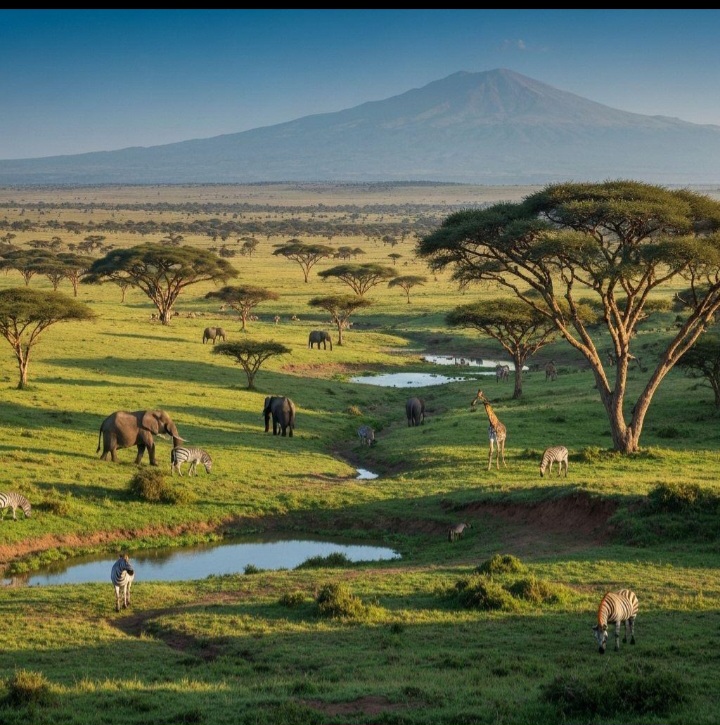
Elephants, for example, influence vegetation as they move through landscapes, while herbivores help shape grasslands. Predators influence prey populations, and animals disperse seeds as they move.
The result is an interconnected system. Remove one part and the effects can travel far beyond the animal itself.
Beyond the safari: wildlife supports communities
Some of Kenya's most important wildlife landscapes are not isolated islands surrounded by fences.
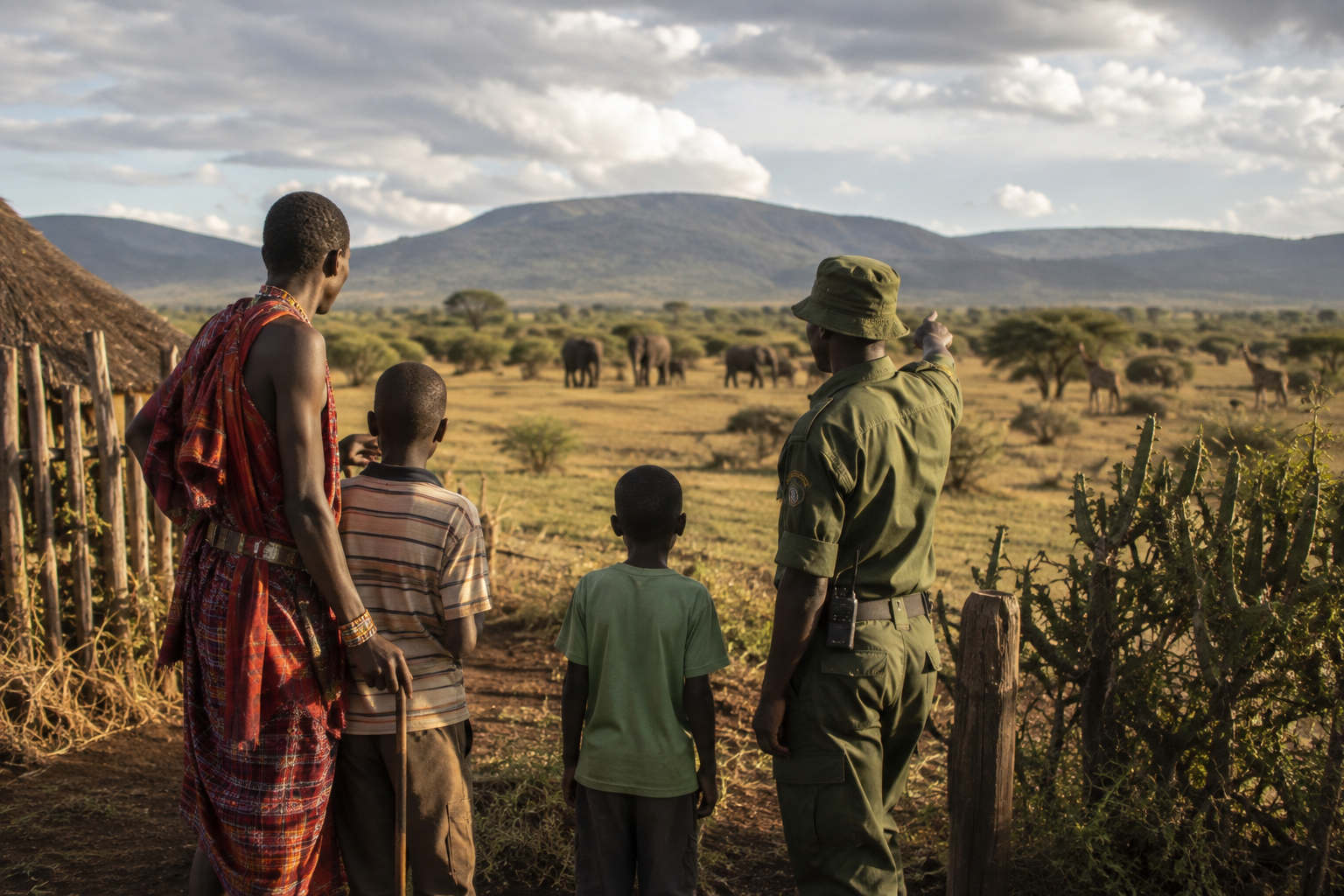
Wild animals move across large ecosystems that include national parks, private ranches, community conservancies and agricultural areas. That makes local communities central to conservation.
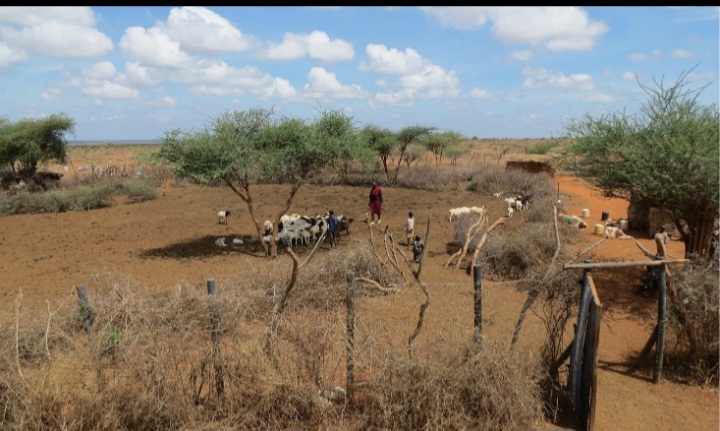
People living alongside wildlife can experience the costs of conservation directly. Elephants can destroy crops. Predators can kill livestock. Wildlife can compete with people for water and grazing land.
At the same time, communities can also benefit when wildlife is managed in ways that create income and employment.
Kenya's conservation model is increasingly recognizing this relationship.
KWS identifies community wildlife enterprises and sustainable wildlife utilization as part of the country's wider wildlife economy. Its strategic plan also includes strengthening community livelihoods through wildlife-based enterprises and exploring mechanisms such as payment for ecosystem services.
This is important because conservation cannot survive on fences and laws alone. It must also make sense to the people who live closest to wildlife.
When conservation becomes a livelihood
Across Kenya, communities are increasingly involved in conservancies, tourism enterprises, rangeland management, habitat restoration and other conservation activities.
These initiatives can provide employment and alternative sources of income while giving local residents a stronger reason to protect wildlife.
The Kenya Wildlife Service has also emphasized that protected areas alone cannot sustain biodiversity if surrounding landscapes are degraded. Its recent conservation work has highlighted the importance of communities, ecosystem restoration, agroforestry and nature-based enterprises.
The lesson is straightforward: Wildlife conservation works better when the people living alongside wildlife are treated as partners rather than spectators.
Wildlife and the climate question
Climate change may become one of the biggest tests of Kenya's wildlife conservation efforts.
Changing rainfall patterns, prolonged droughts, rising temperatures and unpredictable weather can affect both animals and the people who share their habitats.
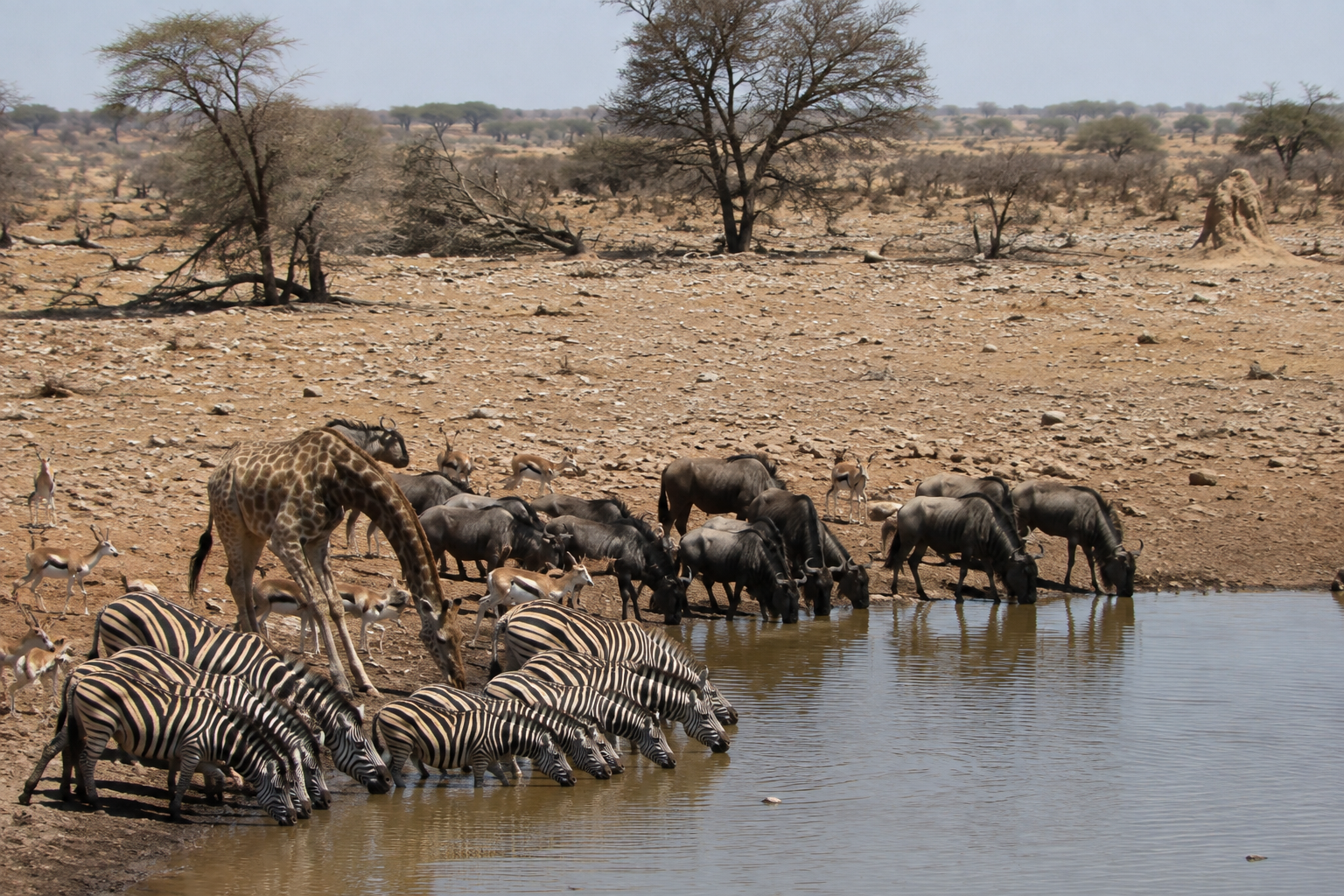
Wildlife depends on functioning ecosystems. When water sources dry up and vegetation becomes scarce, animals travel farther in search of food and water.
That can bring them closer to farms and settlements, increasing the possibility of human-wildlife conflict.
The problem can become a cycle.
Climate stress damages habitats.
Damaged habitats reduce food and water.
Animals move in search of resources.
Their movement brings them closer to people.
Conflict increases.
Communities may then become less willing to support conservation.
This is why climate adaptation cannot be separated from wildlife conservation.
KWS has identified climate change, habitat fragmentation, human-wildlife conflict and wildlife population declines among the major pressures facing Kenya's wildlife.
Good climate is good for wildlife — and good wildlife is good for people
The relationship between climate and wildlife goes both ways.
A stable climate helps maintain vegetation, water sources and habitats that wildlife needs.
At the same time, healthy ecosystems can help societies become more resilient to climate shocks.
Forests store carbon and regulate water. Grasslands can store carbon in soils. Wetlands can retain water and reduce flood impacts.
This is why conservation should not be viewed simply as protecting individual animals.
Protecting a forest is also protecting a water system.
Protecting a wetland is also protecting communities downstream.
Protecting a grassland is protecting grazing areas, soils and wildlife habitat.
And protecting wildlife corridors can help ecosystems remain functional as climate conditions change.
The hidden economic value of wildlife
Tourism provides an obvious economic benefit from wildlife.
A visitor pays for accommodation, transport, park fees, food, guides and other services but the economic value of wildlife does not stop when the tourist leaves.
Healthy ecosystems support economic activity even when nobody is paying to see an animal.
KWS has identified ecosystem services such as water, hydroelectric power, geothermal power and carbon sinks as part of the broader value associated with Kenya's natural heritage. This creates an important opportunity for Kenya.
The country can develop a wildlife economy that combines tourism with conservation finance, community enterprises, research, sustainable utilization, ecosystem restoration and emerging environmental markets.
KWS's current wildlife economy framework explicitly includes regulated wildlife enterprises, filming and photography, sustainable utilization, plant cultivation and other activities beyond conventional tourism.
The challenge is ensuring that economic use remains sustainable. Wildlife should generate value because it is protected and healthy, not because it is exploited until it disappears.
Wildlife is also science
Kenya's wildlife provides something that cannot easily be measured in tourist receipts: a living laboratory.
Scientists study elephants, lions, rhinos, birds, insects, marine species, forests and grasslands to understand ecosystems and environmental change.
Research can help authorities monitor disease, track population changes, understand animal behavior and develop better conservation strategies.
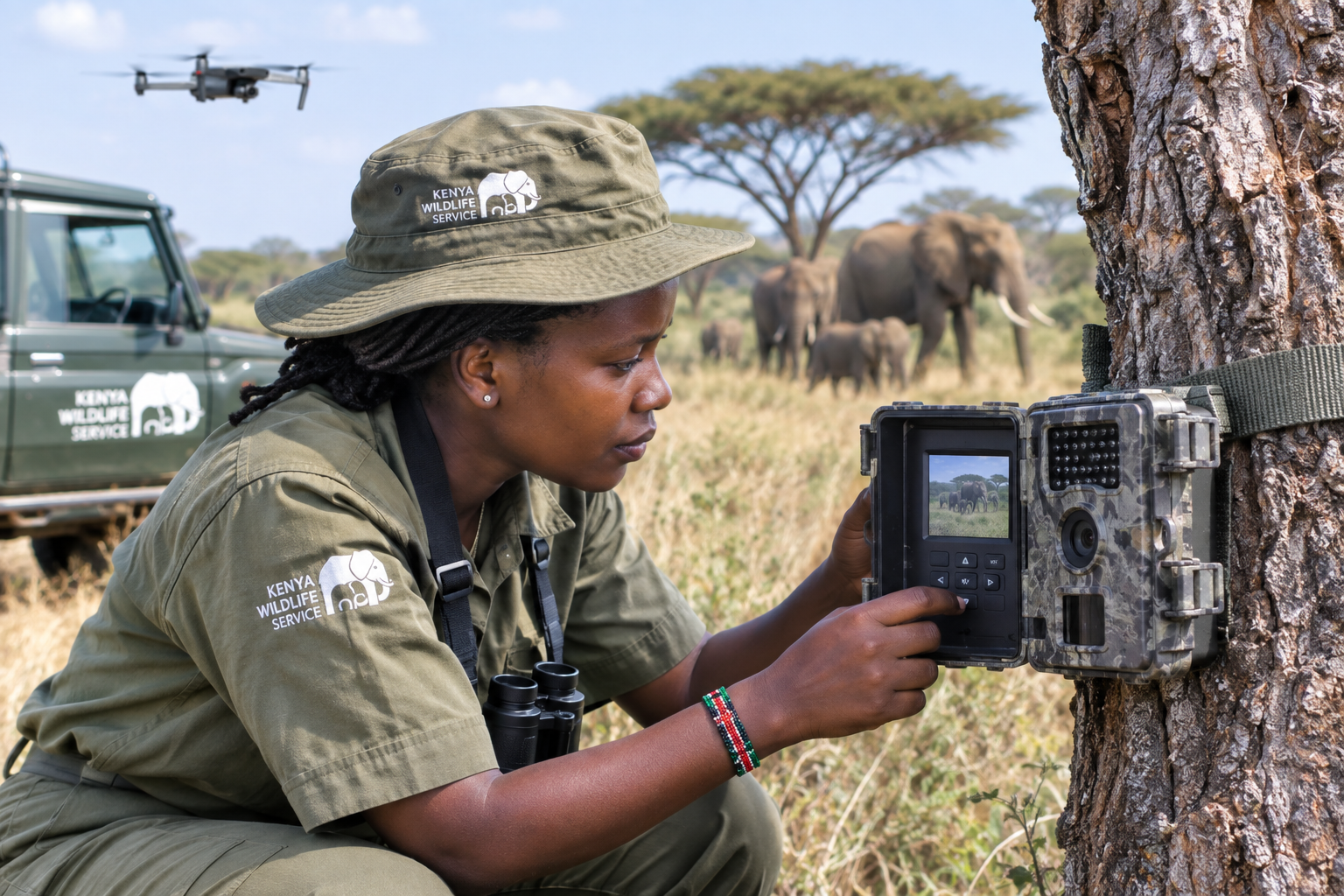
Technology is increasingly changing this work. Camera traps, satellite tracking, drones, geographic information systems and other monitoring tools can help researchers understand where animals move and how landscapes are changing.
The information can also help governments make better decisions about roads, settlements, agriculture and conservation areas.
In this sense, wildlife is not only something Kenya protects. It is also something Kenya can learn from.
Wildlife corridors: the invisible roads animals need
A national park may look enormous on a map, but wildlife does not understand political boundaries.
An elephant does not know where a county ends.
A lion does not recognize a property boundary.
A wildebeest does not stop migrating because it has reached the edge of a protected area.
Animals need space to move between feeding areas, water sources, breeding grounds and seasonal habitats.
That is why wildlife corridors are so important.
But Kenya's landscapes are changing. Urban expansion, roads, farms, fences and other developments can fragment habitats and make movement more difficult.
KWS has identified habitat fragmentation as one of the major threats to wildlife.
The future of conservation therefore depends partly on what happens outside national parks.
A wildlife corridor through community land can be just as important as a protected area on a government map.
The Amboseli warning
Kenya's recent wildlife challenges provide a powerful reminder that conservation is not only about poaching.
In July 2026, authorities investigated the deaths of 15 elephants in the wider Amboseli ecosystem. The deaths occurred across Amboseli National Park, Kimana Sanctuary and the Kuku Ranch area, and investigations examined possible toxic exposure and environmental factors.
The incident attracted international attention partly because of the importance of the Amboseli ecosystem and its elephants.
But there is a bigger lesson.
Wildlife can be affected by what happens beyond the boundaries of a national park — including agricultural activity, chemicals, water sources and changes in surrounding land use.
That means wildlife conservation must increasingly be treated as a landscape-wide responsibility.
A future where people and wildlife can coexist
Kenya's wildlife story is changing. Where the old conservation model often focused on protected areas, rangers and preventing poaching.
Those remain essential, but today's challenges are broader.
Conservation must address climate change, land fragmentation, agriculture, water security, community livelihoods, infrastructure, environmental pollution and sustainable financing.
KWS's current strategic plan reflects this wider approach, including ecosystem restoration, community participation, climate responses and expansion of the wildlife economy.
The goal should not simply be to create places where animals survive but to create landscapes where people and wildlife can both have a future.
What happens if wildlife disappears?
Imagine a Kenya without elephants.
Without lions.
Without rhinos.
Without giraffes crossing the savanna.
The loss would obviously be ecological but it would also be economic, cultural and social.
Communities would lose opportunities.
Businesses would lose customers.
Scientists would lose valuable ecosystems to study.
Future generations would inherit a poorer natural world.
And the country would lose part of the identity that has shaped how Kenya is known around the globe.
But perhaps the greatest loss would be less visible.
The disappearance of wildlife would signal that the ecosystems supporting it had also been severely damaged.
And when ecosystems fail, people eventually feel the consequences.
Kenya must stop seeing wildlife as scenery
Kenya's wildlife deserves to be valued for more than the money generated by safari vehicles.
It is part of the country's ecological infrastructure.
It supports communities.
It contributes to the wider economy.
It helps sustain healthy landscapes.
It provides opportunities for scientific research.
It carries cultural meaning. And it represents a natural inheritance that cannot simply be rebuilt once it is lost.
Tourism may be the most visible face of Kenya's wildlife economy, but it is only one part of the story.
The deeper story is about water, food, climate, livelihoods, science, culture and the future of the land itself.
That is why the question facing Kenya is no longer simply how to attract more visitors to see wildlife.
The more important question is: How do we build a country where wildlife can survive — and where the people living alongside it can thrive?
Because ultimately, Kenya's wildlife is not just something the world comes to see. It is something Kenyans themselves cannot afford to lose.