
The Southern Africa Accountability Journalism Project (SA AJP) interviewed two people operating on the frontlines of broiler chicken farming in the Harare area, both of whom illuminated the practice, which has been documented in other African countries but not widely exposed in Zimbabwe.
A Farmer's Admission
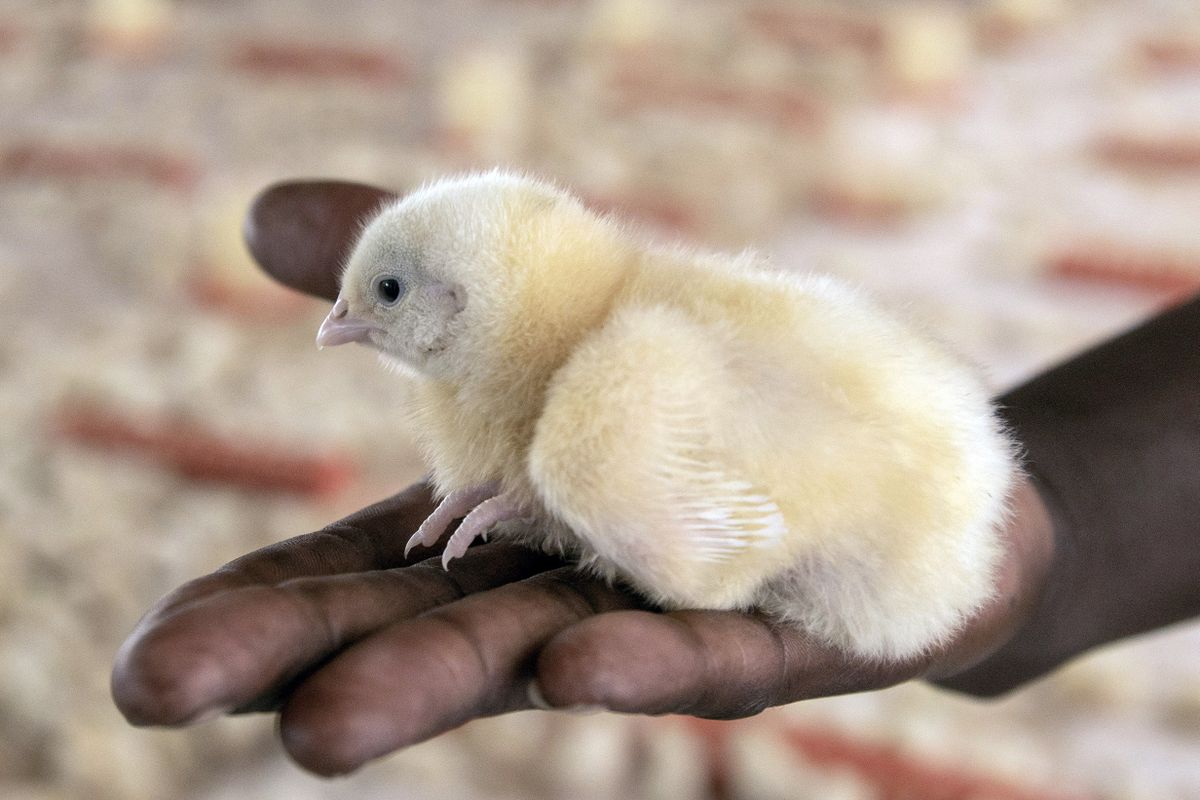
Jane (not her real name) is a broiler chicken farmer operating in the Waterfalls neighbourhood of Harare. She agreed to be interviewed at her farm on condition of anonymity, admitting that she covertly mixed ARVs – illegally bought from a health worker at a local hospital – into the feed for her chickens.

Jane's operation sits hidden in a backyard, disguised as an ordinary residential property. From the street, nothing suggests poultry. At the centre of her property, the chicken houses are out of sight, accessible only through a narrow gate, with CCTV cameras watching over the compound.
"I get my monthly supply from the health official who has a network of peddlers who handle the business on his behalf," she said. "My first interaction with the official was when a fellow farmer introduced me to him. I paid a deposit to show that I was serious about making a purchase from him."
She explained that drug peddlers often use coded words or phrases when communicating with their buyers, which are frequently changed to avoid detection.
A Deadly Cocktail: TLD and Other Antimicrobials
Jane began using TLD, a combination of antiretroviral drugs consisting of tenofovir disoproxil fumarate, lamivudine and dolutegravir – the preferred first-line treatment for adults and adolescents living with HIV in Zimbabwe.
She began mixing the crushed tablets into her chicken's feed and water:
"The mortality rate plummeted, and my broiler chickens grew faster. I have since expanded my operation from 200 to 10,000 birds per cycle. And, instead of waiting six weeks, I could sell them at just four weeks."
In Zimbabwe, ARVs are actually just one ingredient in a cocktail of human medications mixed into chicken feed, said Brian Fungai Chikodze, a registrar for the Council of Veterinary Surgeons of Zimbabwe. ARVs are most often mixed with other antimicrobial agents.
"Whatever antimicrobial is used in the animals is going to be passed to the human consumers and simple infections become harder to treat, and people will be sicker for longer and in cases die from infections that were previously curable," Chikodze added.
Widespread Practice Confirmed by Government Official
An agricultural business advisory officer who works at the Ministry of Lands, Agriculture, Fisheries, Water and Rural Development in Harare confirmed Jane's accounts. His job entails working directly with farmers to improve productivity, profitability and resilience in the sector. He also agreed to be interviewed on condition of anonymity.
"I have been on site visits to different farms across the country. The farmers admitted that they were using ARVs mixed with their chicken feed to accelerate broiler growth for financial gain."
On these site visits, the officer said he often sought to educate poultry farmers on the dangers of using unprescribed human medication. He described what he considered to be unusual characteristics in the meat of broiler chickens fed with ARVs:
"When slaughtered, the chickens have a reddish abnormal colour that is not found in free-range broiler chicken. The taste of the chicken when cooked is bland and differs from the natural flavour of free-range broiler chickens."
Health Risks and Regulatory Concerns
Daniel Zulu, former head of the Toxicology and Clinical Department at the Government Analyst Laboratory in Zimbabwe, said that feeding ARVs to broiler chickens is harmful to human consumers. Repeated exposure to antiretroviral drug residues could pose risks for people living with HIV.
Zimbabwe currently has 1.3 million people living with HIV, with 1.2 million of them currently on ARVs, according to statistics from the Zimbabwean Ministry of Health and Child Care.
The loss of USAID funding disrupted HIV service delivery in Zimbabwe, affecting medicine distribution, patient management and clinic staffing. Although the government and other donors have sought to maintain access to antiretroviral treatment, the diversion of ARVs by corrupt officials into the black market could further affect the availability of the drug for those most critically in need.
The misuse and overuse of antimicrobials in humans and animals accelerates the development of antimicrobial resistance, in which bacteria and other microorganisms evolve and no longer respond to medicines that would normally kill or inhibit them. This makes infections harder to treat in both people and animals.
In February 2026, the Food and Agriculture Organization of the United Nations said antibiotic-resistant bacteria are becoming a growing challenge in Zimbabwe's poultry sector. The FAO has identified the broiler production value chain as a considerable user of antimicrobials, driven in part by production practices and demand for affordable poultry products.
Irony at the Heart of the Crisis
Jane, the poultry farmer in Waterfalls, understands the risk perfectly well:
"I don't eat the ARV-fed chickens. I have my own coop behind my house where I raise free-range chickens for me and my children."
The irony is stark: the same farmers who are feeding ARVs to chickens destined for public consumption refuse to eat the meat themselves, fully aware of the dangers.
According to Zimbabwe's Medicines and Allied Substances Control Act, medicines intended for human use are regulated separately from veterinary medicines, and using human medicines in food-producing animals without appropriate authorisation is prohibited.
Government Response
Media queries were submitted to the Ministry of Health and Child Care about the likely health implications associated with the allegations. Spokesperson Donald Mujiri acknowledged receipt of the query and committed to respond. At time of publication, no such response was forthcoming.
The Department of Veterinary Services, which falls under the Ministry of Lands, Agriculture, Fisheries, Water and Rural Development, did not respond to emails or follow-up calls.
A Growing Public Health Threat
The practice of feeding ARVs to chickens in Zimbabwe represents a convergence of several crises: a desperate search for profit by farmers facing economic hardship, a fragile healthcare system struggling with donor funding shortfalls, weak regulatory enforcement, and a growing threat of antimicrobial resistance. The long-term health consequences for consumers – particularly the 1.3 million Zimbabweans living with HIV – remain largely unstudied but potentially devastating.
Until regulators act, enforcement improves, and farmers have access to affordable, legal alternatives, the practice is likely to continue, hidden behind high walls and disguised operations, with the health of millions hanging in the balance.
With reporting from the Southern Africa Accountability Journalism Project (SA AJP), an initiative of the Henry Nxumalo Foundation with the financial assistance of the European Union, Daily Maverick, and the Food and Agriculture Organization of the United Nations.