

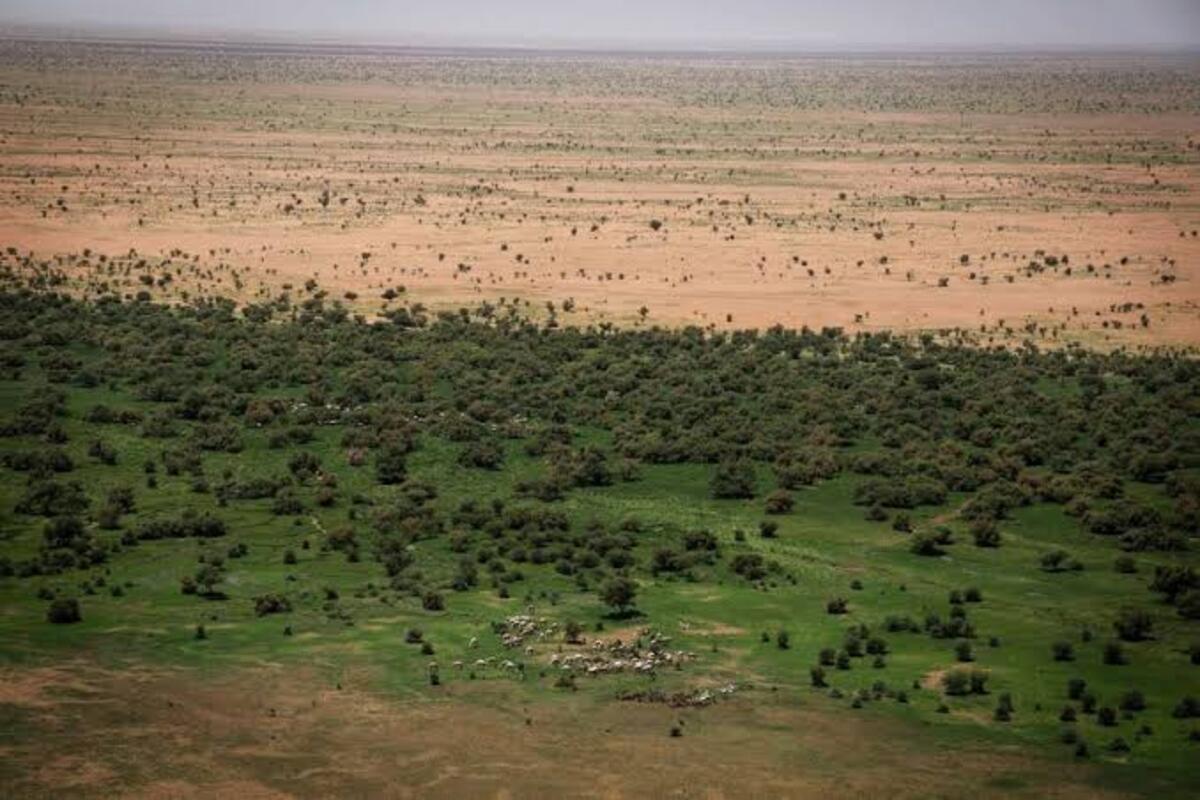
The Great Green Wall is Africa’s ambitious environmental restoration initiative launched in 2007 to combat desertification and land degradation across the Sahel. Originally conceived as a 7,600-kilometre belt of trees stretching from Senegal in the west to Djibouti in the east, the project has evolved into a broader effort to restore degraded land, improve food security, protect biodiversity, create green jobs and strengthen communities against climate change. It involves 11 African countries and focuses not only on planting trees but also on sustainable agriculture, water management, ecosystem restoration and creating livelihoods for millions of people living in one of the world’s most climate-vulnerable regions.
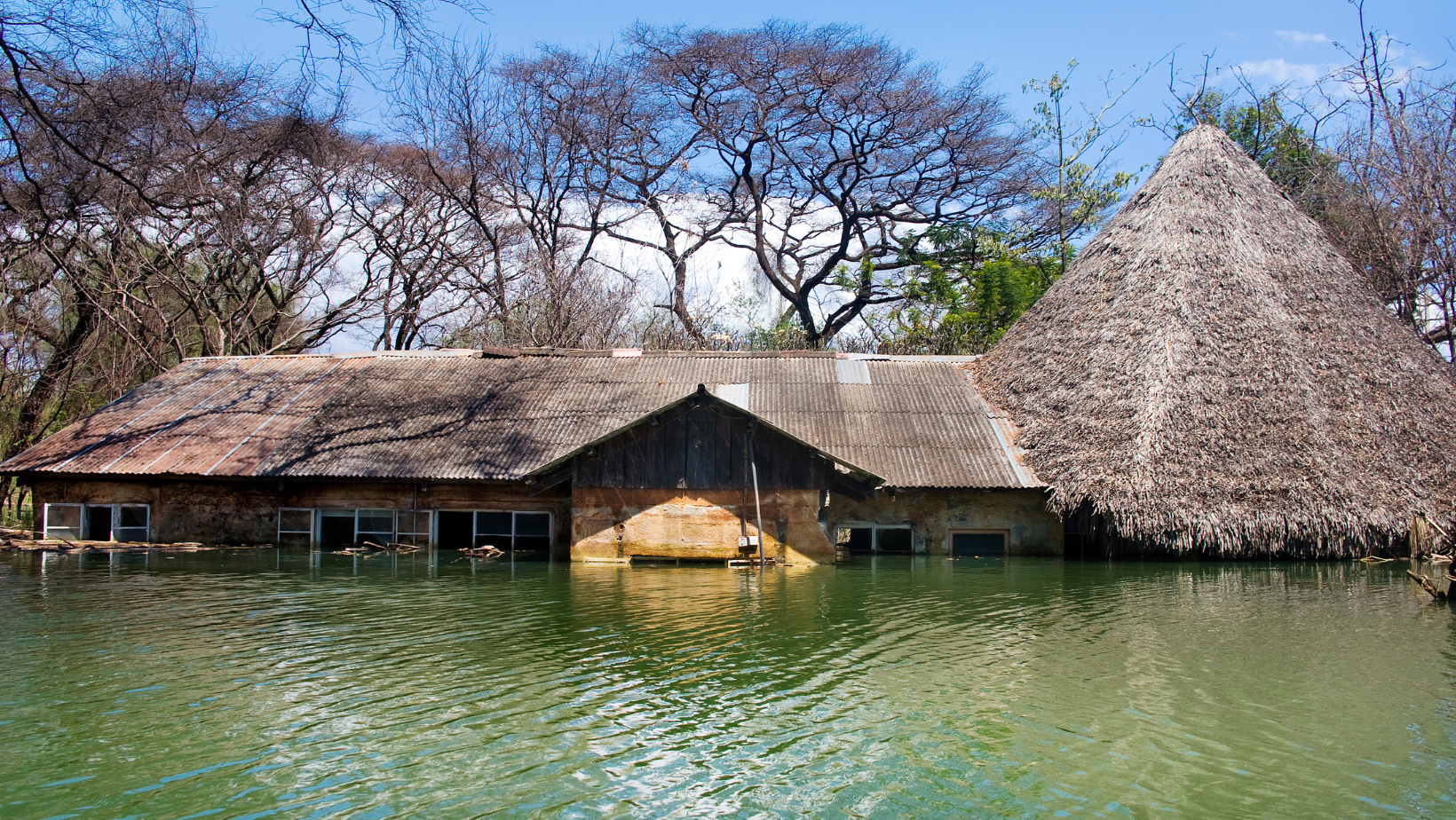
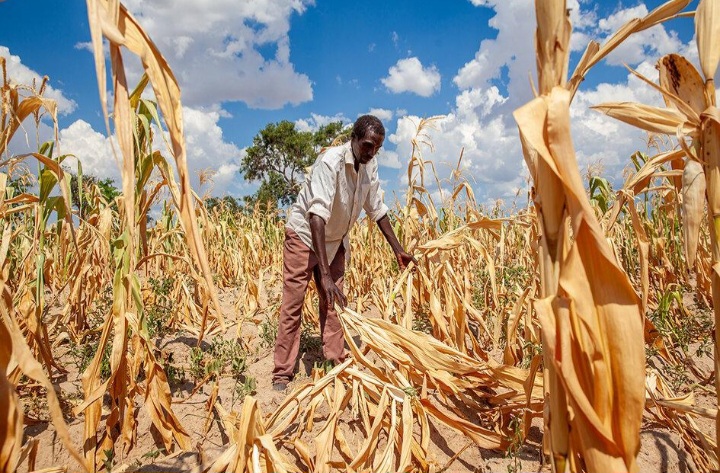
The challenge is enormous. The Sahel is one of the world's most environmentally vulnerable regions, where prolonged droughts, unpredictable rainfall, population growth, overgrazing and unsustainable farming practices have placed enormous pressure on land and water resources.

For millions of people, environmental degradation is not an abstract climate issue. It directly affects whether families can grow food, keep livestock or earn an income.
Beyond Planting Trees
The Great Green Wall is sometimes portrayed as a single line of trees being planted across Africa but in reality, it is a much broader land-restoration programme.
Its ambition is to restore about 100 million hectares of degraded land, capture hundreds of millions of tonnes of carbon dioxide and create millions of green jobs. The initiative promotes reforestation alongside sustainable agriculture, water management, restoration of ecosystems and income-generating activities.
This distinction is important because simply planting trees cannot solve the Sahel's environmental problems because Trees need water, Communities need food and income, Farmers need productive soils, while pastoralists require access to grazing land and water thus a successful Great Green Wall, therefore depends on restoring entire ecosystems and ensuring that local communities have an economic reason to protect them.
The project is consequently being implemented through thousands of local initiatives rather than through one continuous plantation.
Senegal is at the Fore Front
Senegal has become one of the most prominent countries in the Great Green Wall programme.This in particular has been influenced by the fact that the country's section of the initiative stretches for hundreds of kilometres through the northern regions, where land degradation and desertification have long threatened agricultural livelihoods. Senegalese Authorities have also shown their commitment in the initiative by authorising the Senegalese Agency for Reforestation with coordinating restoration efforts.
One important component has been the creation of community-managed forests and natural reserves. These projects seek to restore vegetation while providing communities with opportunities to generate income from activities such as agriculture, ecotourism and sustainably harvested non-timber forest products.
The emphasis on communities is crucial and Rural residents are not simply beneficiaries of the Great Green Wall; they are among its most important participants.
Women and young people are particularly significant because they play major roles in agriculture and local economies, while also representing a large proportion of the Sahel's rapidly growing population.
From environmental project to economic strategy
The future of the Great Green Wall will ultimately depend on whether environmental restoration can translate into better living standards.
In several communities, projects linked to the initiative are supporting farmers with improved agricultural practices, training, access to research and better management of natural resources.
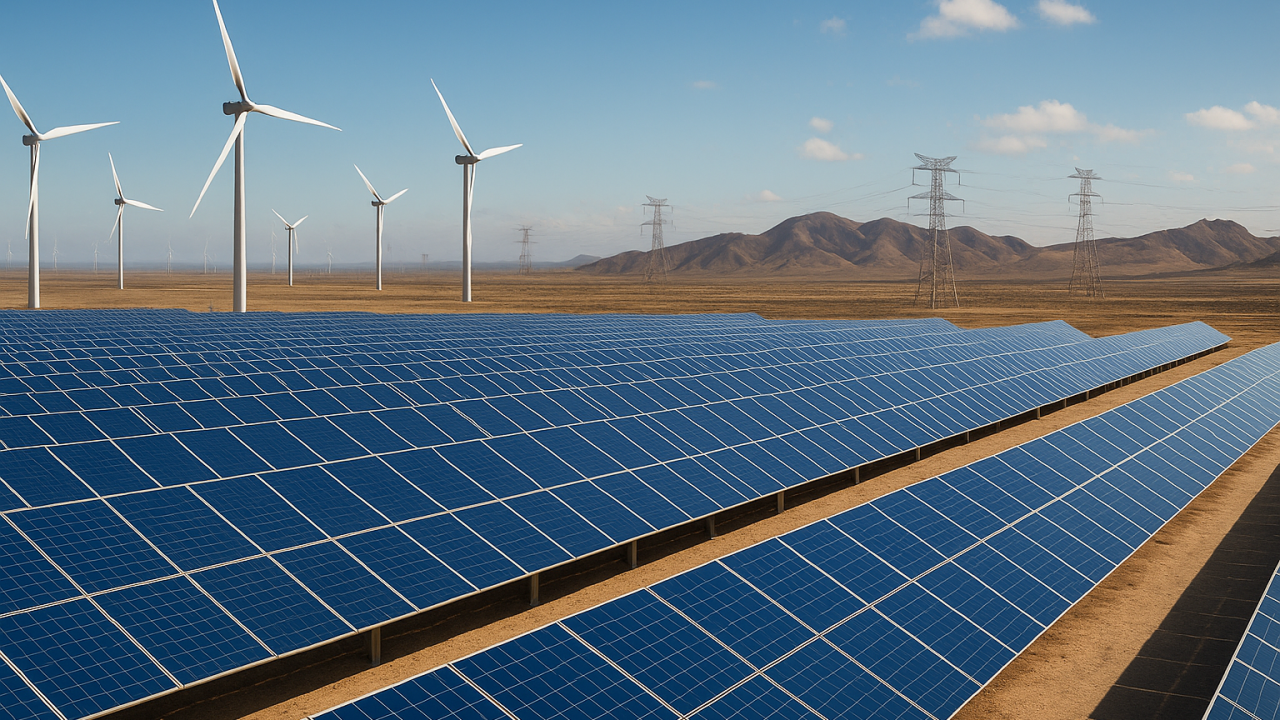
Such programmes can help farmers increase productivity without placing additional pressure on already degraded soils.Also they can create opportunities in sectors such as agro-processing, renewable energy, nursery management, sustainable forestry and ecotourism.
This economic dimension may prove just as important as the environmental one. However a young population facing unemployment and limited economic opportunities is unlikely to view environmental conservation as a priority unless it can also provide a livelihood and therefore the Great Green Wall represents not only an attempt to stop desertification, but also a broader effort to build more resilient rural economies.
Science and technology are becoming central
The initiative is increasingly relying on scientific research to determine what works in different parts of the Sahel.
Research partnerships involving African universities, agricultural institutions and development organisations are examining issues including soil health, water availability, biodiversity, renewable energy and climate-resilient agriculture.
This is particularly important because the Sahel is not environmentally uniform and thus a technique that succeeds in one community may fail somewhere else because of differences in soil, rainfall, vegetation and farming practices.
Local knowledge must therefore be combined with scientific research and modern technology.
Also better soil analysis, water management, climate information and agricultural techniques can help communities make more effective use of scarce resources.
The financing challenge
The Great Green Wall has attracted billions of dollars in commitments from African governments, international financial institutions, development agencies and private-sector partners.
But raising money is only part of the challenge.
The initiative covers an enormous geographical area and involves some of the world's poorest and most climate-vulnerable communities. Projects must be maintained long after trees are planted and initial funding has ended.
There is also the question of coordination. With numerous countries, governments, development organisations, researchers and communities involved, ensuring that funding reaches productive local projects remains a major challenge.
The gap between ambitious international pledges and implementation on the ground has been one of the central concerns surrounding the initiative.
A race against climate change
The Great Green Wall is being built at a time when the environmental pressures facing the Sahel are intensifying.
Climate change is contributing to rising temperatures and increasingly unpredictable rainfall. At the same time, population growth is increasing demand for farmland, grazing areas, fuel and water.
These pressures can contribute to competition over natural resources and deepen existing social and economic tensions.
Restoring degraded land cannot solve every conflict in the Sahel, nor can it eliminate poverty but healthier ecosystems can give communities more productive land, stronger food systems and additional sources of income that could make them better equipped to withstand future climate shocks.
Africa's test of long-term thinking
The Great Green Wall is ultimately an experiment in whether environmental restoration can be combined with economic development on a continental scale.
Its success should not be measured simply by the number of seedlings planted or kilometres of land covered. The more meaningful question is whether degraded landscapes become productive again and whether the people living on them experience lasting improvements in their livelihoods.
That requires patience. Forests take years to mature, soils take time to recover and rural economies cannot be transformed overnight.
The Great Green Wall therefore represents a generational undertaking. Its greatest achievement may not be creating a literal wall of trees across Africa, but creating millions of healthier landscapes and communities capable of surviving in a hotter and more uncertain climate.
For the Sahel, that is not merely an environmental ambition. It is a question of food, livelihoods, stability and the future of millions of people.
With reporting from African Union, UNCCD, UNEP, African Development Bank.



Comments (0)
No comments yet. Be the first to share your thoughts!