



The study, conducted by an international team of researchers including the University of Cape Town and published in the journal Nature on July 29, found that climate change has slightly increased malaria overall across the continent, but the effects vary widely by region.
A Tale of Two Africas
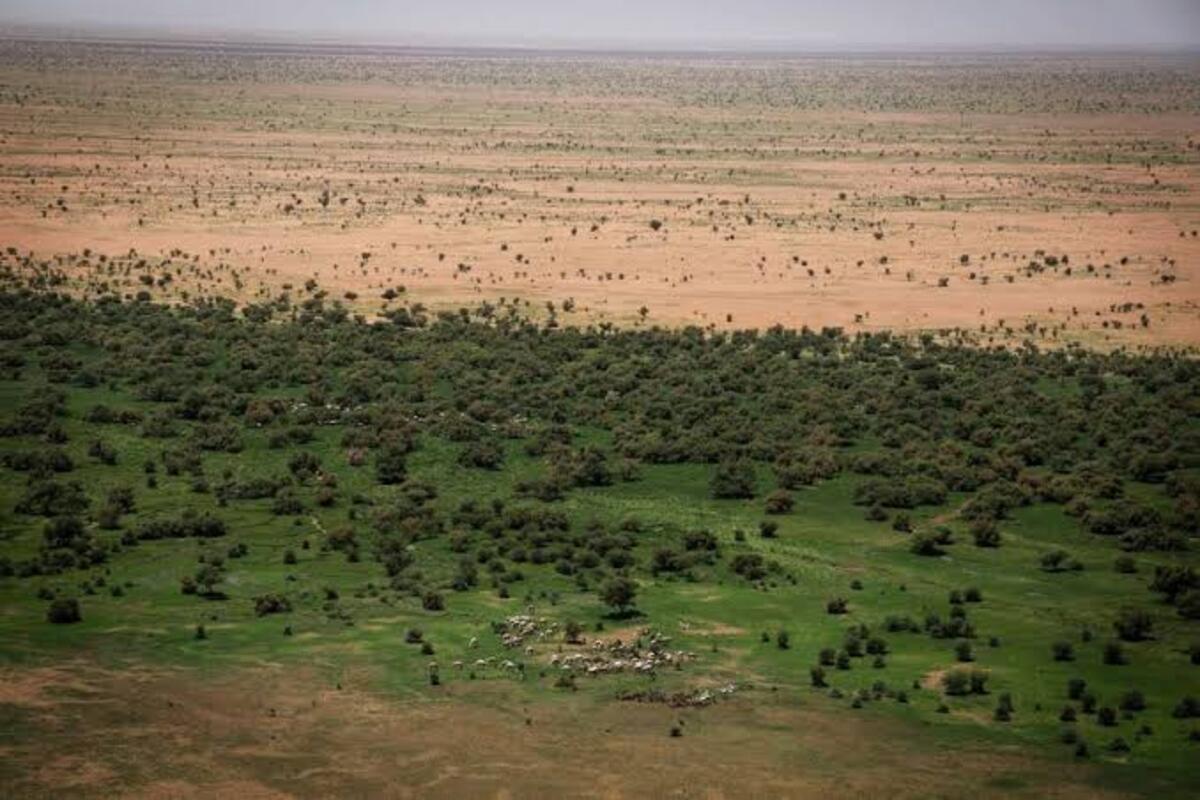
In many West African countries where malaria is already endemic, rising temperatures are expected to reduce transmission as conditions become too hot for mosquitoes to thrive. Cases could decline by about 5 percent in countries including Nigeria, Burkina Faso and Mali, while malaria may even be eliminated in some extremely hot Sahel countries.

However, the picture is dramatically different in cooler regions where malaria is not currently a major problem. In parts of the Ethiopian highlands, Kenya and Burundi, warming temperatures are making conditions more suitable for mosquito-borne malaria, with cases projected to increase by about 5 percent. Similarly large rises are expected in Angola, Zambia and northeastern South Africa.
"We are seeing a notable increase in the number of children contracting malaria in Limpopo, Mpumalanga and KwaZulu-Natal due to human-caused climate change," said Christopher Trisos, co-author and director of the Climate Risk Lab at UCT's African Climate and Development Initiative.
The Migration of Disease
"Climate change isn't just making malaria worse or better, it's moving it," said co-author Tamma Carleton, an assistant professor at the University of California, Berkeley.
By 2100, the study projects that malaria risk could rise by 20 percent in areas including the Rift Valley and coastal southern Africa. This shifting disease burden will require health systems to adapt rapidly, redirecting resources to emerging hotspots while maintaining vigilance in areas where transmission may decline.
The authors said both climate mitigation and adaptation measures, including malaria elimination strategies, will be needed to address the evolving threat across Africa.
The Bigger Picture: A Continent Under Pressure
The research adds to a growing body of evidence demonstrating the profound impact of climate change on African health and livelihoods. According to the State of the Climate in Africa 2025 report from the World Meteorological Organization, extreme weather and climate-related events affected at least 13 million people across the continent in 2025, with over 3,000 reported fatalities.
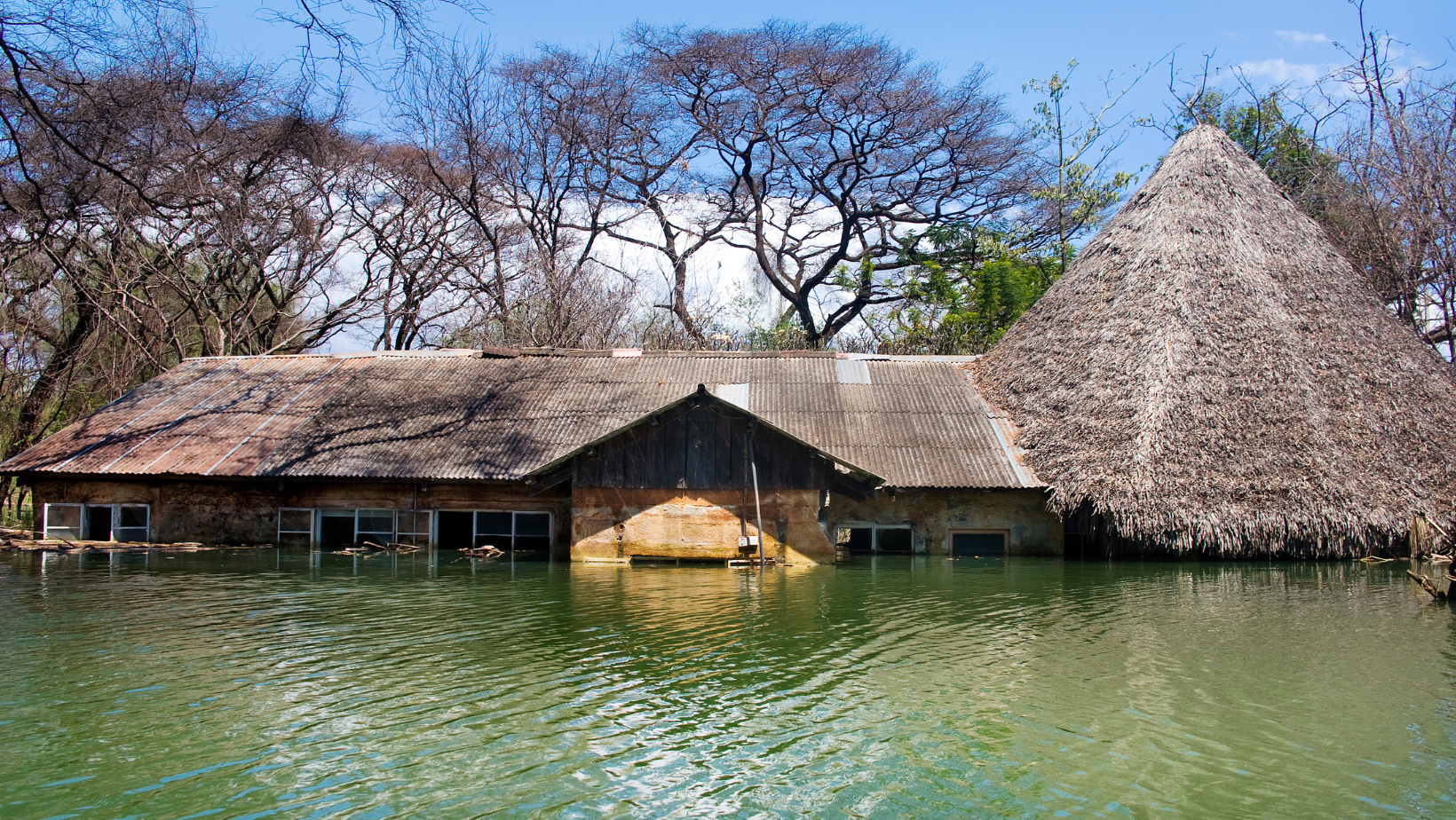
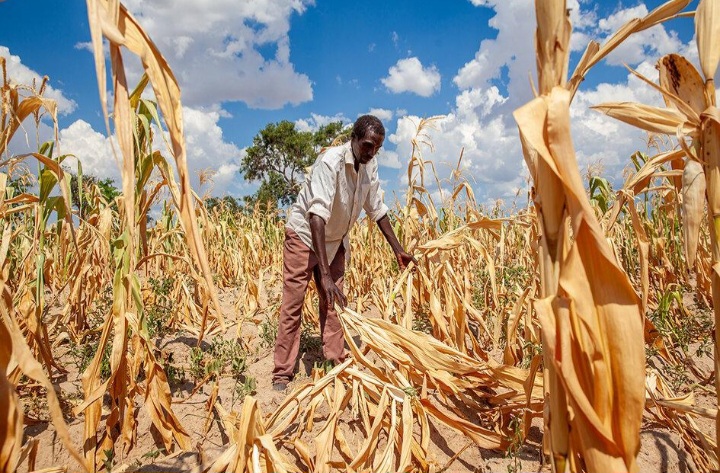
Floods accounted for more than half of reported events—severe flooding in Nigeria in May led to over 200 deaths, while flooding in the Democratic Republic of the Congo in April claimed more than 160 lives. The 2024-2025 tropical cyclone season was particularly active in the South Indian Ocean, and drought affected more than 8.5 million people in East Africa.
A Continent Warming Faster
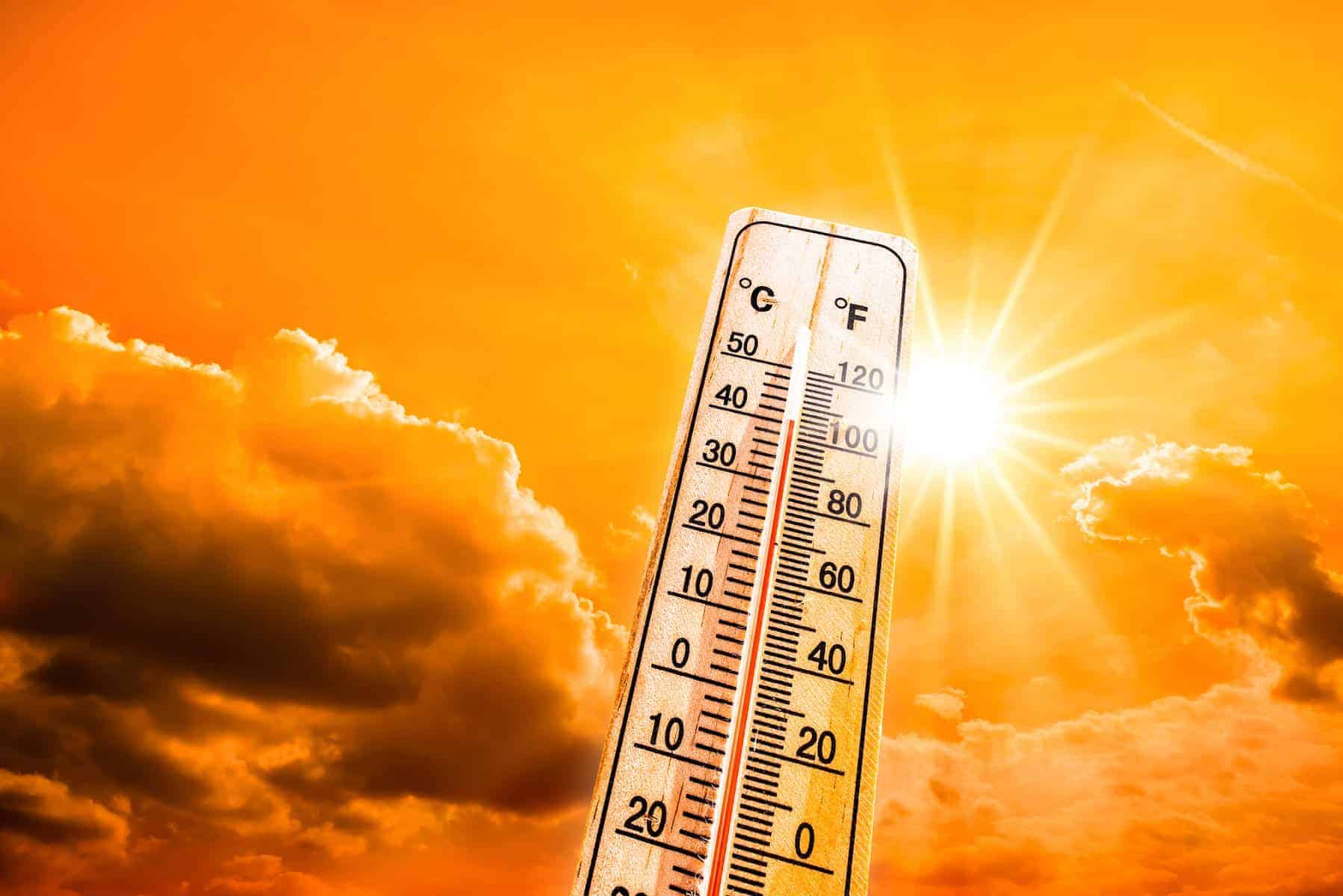
Africa is warming faster than the global average, with the rate of warming since 1991 substantially higher than in any of the previous 30-year periods. The annual mean surface air temperature averaged over land areas in 2025 ranked between the third and seventh warmest on record.
The signs of a changing climate are unmistakable across the continent—from increasing temperatures and rising seas to damaging floods and drought. Africa's glaciers have lost more than 90 percent of their area since the late nineteenth century. On Mount Kilimanjaro, glacier area has declined from 11.4 square kilometres in 1900 to less than one square kilometre in recent years.
Sea-level rise along African coasts from 1999 to 2025 exceeds the global average of 3.6 mm per year in several regions, reaching around 4.2 mm per year along the Atlantic coast, 5.2 mm per year along the Indian Ocean coast, and 5.6 mm per year in the Red Sea.
The Challenge of Preparedness
Despite the escalating risks, fewer than 40 percent of countries in Africa currently have multi-hazard early warning systems in place. However, there are encouraging signs that improved collaboration between meteorological services, disaster management agencies and local authorities, as well as advances in climate services like seasonal forecasts, is strengthening preparedness and response capabilities.
WMO Secretary-General Celeste Saulo emphasised the importance of turning knowledge into action: "The signs of a changing climate are clear across Africa—from increasing temperatures and rising seas to damaging floods and drought. This report shows not only the scale of the risks, but also the growing importance of early warnings, climate services and coordinated action to protect lives and livelihoods."
With reporting from Xinhua, the University of Cape Town, the World Meteorological Organization and PreventionWeb.

Comments (0)
No comments yet. Be the first to share your thoughts!