

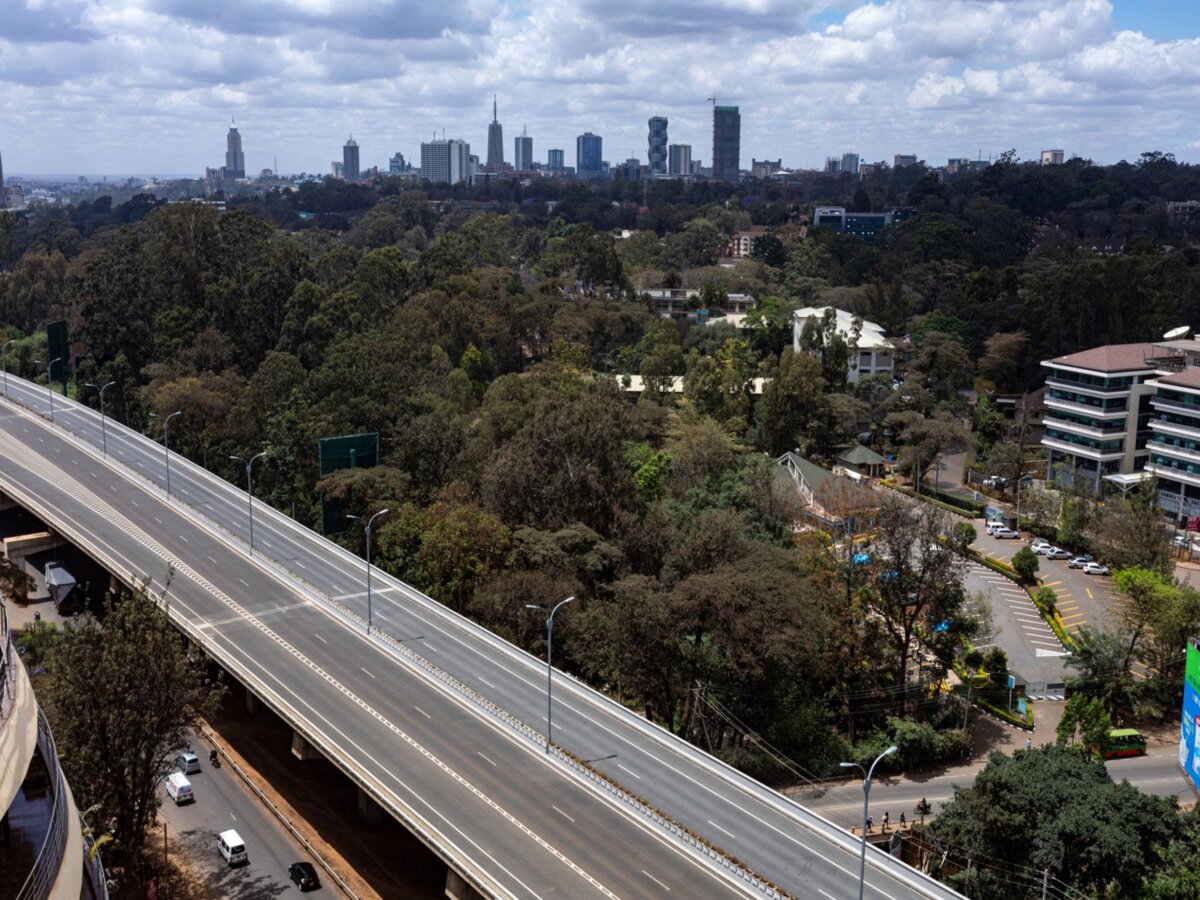
Kenya has launched Vision 2060, an ambitious attempt to imagine what kind of country it wants to become several decades from now. While presiding over the launch at the Kenyatta International Convention Centre, President William Ruto urged Kenyans to think beyond the usual five-year electoral cycle and participate in defining the country they want by 2060.
Fair enough. But there is a rather uncomfortable question that Kenya, and indeed Africa, must ask itself.

Why should it take us another 34 years to become prosperous?
That is where the conversation gets interesting because there is always a danger with these grand national visions. We can spend months writing beautiful documents about where we want to go, hold colourful launches, give powerful speeches and then continue travelling there at the speed of a man looking for his lost shoe.
A country can have a magnificent destination and still move at walking speed.
The Trouble with Visions That Never Arrive
Kenya's Vision 2030 was itself supposed to be a transformation project. The idea was to turn the country into a newly industrialising, middle-income economy offering a high quality of life by 2030. Well, 2030 is now knocking at the door. We have only four years left. And instead of asking how we can finish the job faster, we are already discussing the next vision.
There is absolutely nothing wrong with thinking about 2060. Serious countries must think long-term. They must have ambitions that go beyond the lifespan of one government or one president. But 2060 should not become a psychological deadline. Rather, it should be a destination we are determined to reach long before the calendar tells us to.
Kenya should be asking whether it can achieve in 15 or 20 years what it has scheduled for 34. And more importantly, Africa should be asking the same question.
Africa Does Not Suffer from a Shortage of Visions
We have visions. We have strategies. We have master plans. We have development conferences, summits, blueprints and enough policy documents to fill several government warehouses. What we don't have enough of is execution.
For decades, African governments have promised industrialisation, jobs, better hospitals, quality education, modern infrastructure and technological transformation. But then comes the small matter of actually doing it. Sometimes the problem is not that we don't know what needs to be done. We know. We simply don't do it. Or we do it slowly. Or we do half of it. Or we do it when the next election is approaching. Or we launch it with great excitement and leave it somewhere between the groundbreaking ceremony and the next government. And then we write another strategy.
Corruption Is Eating Our Lunch
Let us call a spade a spade. Corruption remains one of the biggest taxes on African development. Every shilling stolen from a road project is a road that could have been built. Every inflated procurement contract is money that could have bought medicine. Every public job given to somebody because he knows somebody is an opportunity denied to somebody who actually knows what they are doing.
Every project abandoned because the political administration has changed is not just financial waste. It is time stolen from citizens. We cannot seriously talk about becoming a first-world economy while corruption remains part of the operating manual. We cannot keep stealing from ourselves and then wonder why the house never gets finished.
Then There Is Nepotism
Nepotism is usually treated as if it is simply about giving your cousin a government job. But it is much bigger than that. When governments, political parties and institutions continuously reward relatives, friends, political allies and ethnic networks instead of competence, the country pays the bill.
A nation cannot compete globally by asking first, "Whose person are you?" The question should be much simpler: "What can you do?" Because the bridge does not care about your tribe. The hospital does not care who your uncle is. The economy does not care which political party gave you your appointment. A country that consistently puts the right surname ahead of the right qualifications will eventually discover that development does not respond to family connections.
We Have Also Become Too Casual About Serious Things
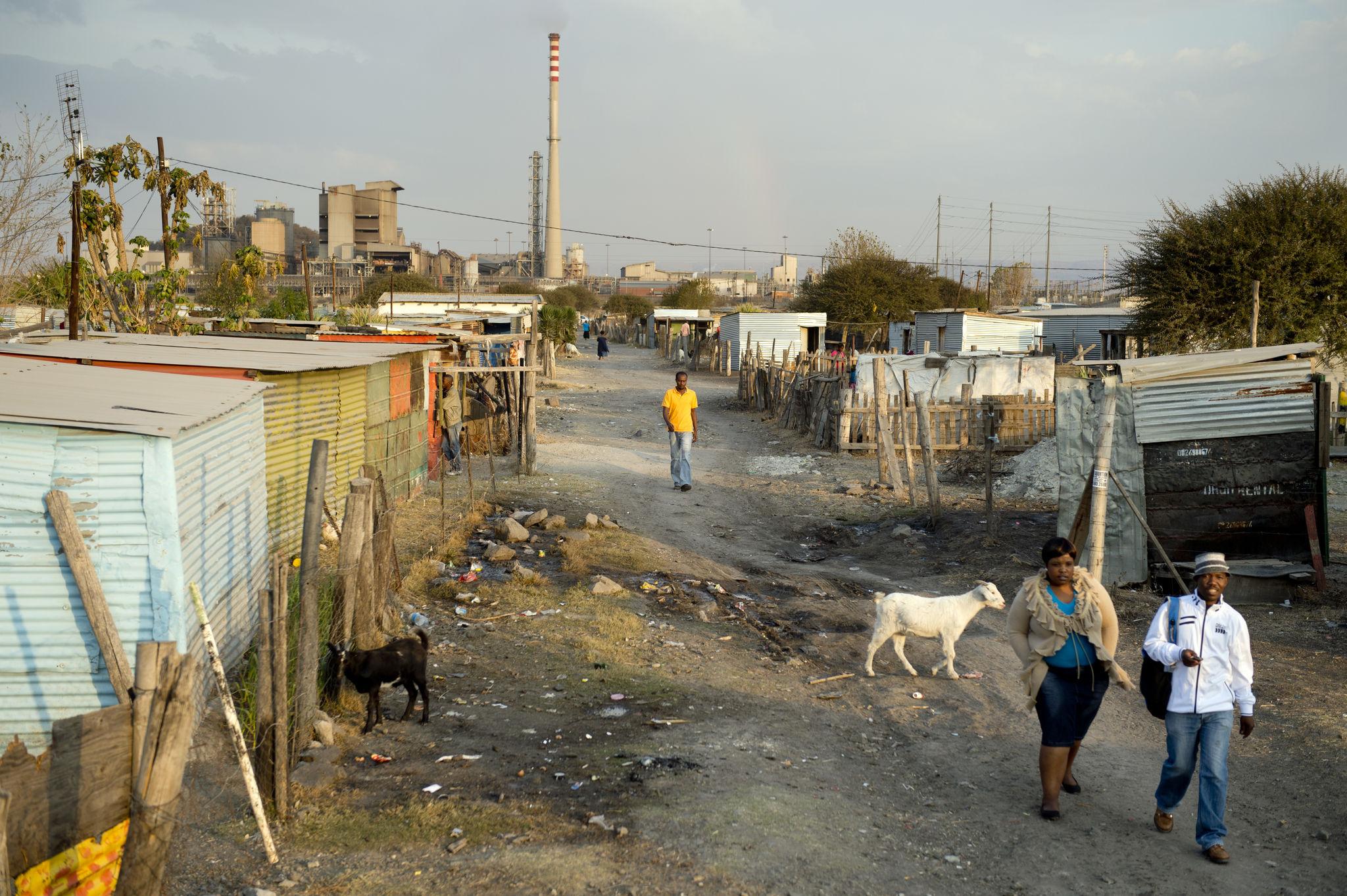
There is another problem we don't talk about enough. Across the continent, we have become rather casual about serious national matters. We can spend three weeks fighting about politics on social media while a hospital has no medicine. We can argue from morning to evening about who insulted whom in Parliament while a road that should have taken six months takes three years. We can launch a project with cameras rolling, speeches flying and politicians smiling for photographs. Then everybody goes home. And the project? God knows.
Deadlines are missed. Contractors are sometimes paid for work that would embarrass a village fundraiser. Officials make promises without consequences. Reports are written, tabled and occasionally forgotten. We have perfected the art of saying "it will be done" without the corresponding urgency of actually doing it.
But development does not work like that. A bridge must be completed because people need to cross it. A power plant must work because businesses need electricity. A school must produce competent graduates because the economy needs people who can actually do things. Serious countries take serious things seriously. Perhaps that is one lesson Africa still needs to learn.
And Then Comes Selfishness
There is another uncomfortable truth. Africa's development problem is not only economic. It is also moral. Too many people who acquire power immediately begin asking one question: "What can I get?" We should be asking: "What can I build?"
Public office should not be a retirement plan. It should not be a shortcut to wealth. It should not be an opportunity to make sure your children, cousins, friends and political allies are all eating before everybody else gets a plate. A continent blessed with minerals, fertile land, a young population, enormous renewable-energy potential and a strategic position in the global economy should not remain poor because a small group of people are busy fighting over who gets the biggest piece of the cake.
In Africa, we have the resources. What we lack is the discipline to turn those resources into prosperity for the many.
We Must Stop Romanticising Slow Development
Sometimes we talk about Africa's underdevelopment as if poverty is part of our DNA. It is not.
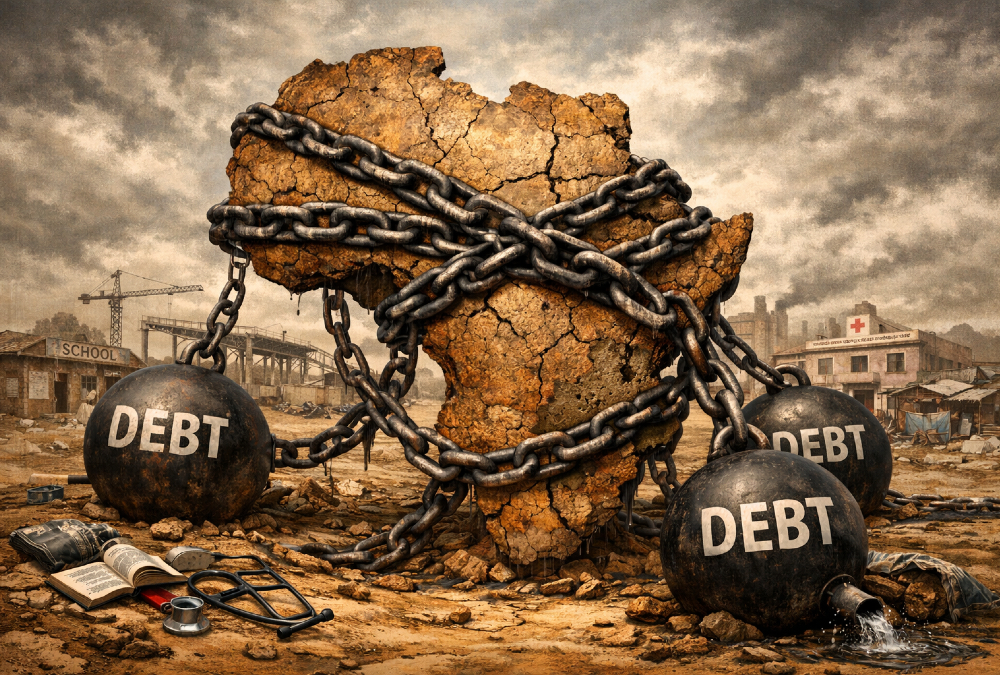
Colonialism matters. Global inequality matters. Debt matters. Climate change matters. But history cannot become our permanent alibi. Other countries have transformed themselves within a generation. Countries across Asia moved from poverty to industrialisation by investing in education, infrastructure, manufacturing, technology, competent institutions and long-term economic planning. They did not sit around waiting for the year 2060 to arrive.
So why should Kenya? Why should Africa? Why not 2040? Why not 2045? If something can be achieved earlier, why are we putting it on the slow lane?
Vision 2060 should therefore not give us permission to relax. It should give us a much bigger target and the determination to hit it early.
Africa Needs to Step on the Accelerator
We are living through one of the most extraordinary technological periods in human history. Artificial intelligence is changing how people work. Digital finance is transforming commerce. Renewable energy is opening new possibilities. African entrepreneurs can now reach customers thousands of kilometres away with a smartphone and an internet connection. Our young people are more connected to the world than any generation before them.
Yet here we are, still discussing problems that our grandparents were discussing. Surely we can do better.
Africa needs governments that are judged by what they deliver, not how many projects they launch. We need institutions that punish corruption regardless of who committed it. We need recruitment based on competence rather than connections. We need businesses that win because they are good, not because they know somebody in government. And we need citizens who demand results instead of spending all their energy defending political personalities.
Because politicians will come and go. The country remains.
We Simply Don't Have 34 Years to Waste
Thirty-four years may sound like a long time. It isn't. The child born today will be in his or her thirties when Vision 2060 reaches its destination. That child should not have to wait until middle age to enjoy the prosperity that we are capable of building today.
Vision 2060 can be an important national project. But only if it becomes more than another beautiful document sitting comfortably on a government shelf. It must become a national commitment to speed, competence, integrity, accountability and productivity.
And perhaps the biggest question should not be what Kenya will look like in 2060. It should be this: Why did it take us that long?
Africa has waited long enough. We have talked. We have planned. We have launched. We have commissioned. We have held conferences. We have formed committees. We have written reports. Now perhaps it is time to put the pedal to the metal.
The continent does not need another excuse to move slowly. It needs an acceleration mentality.





Comments (0)
No comments yet. Be the first to share your thoughts!