



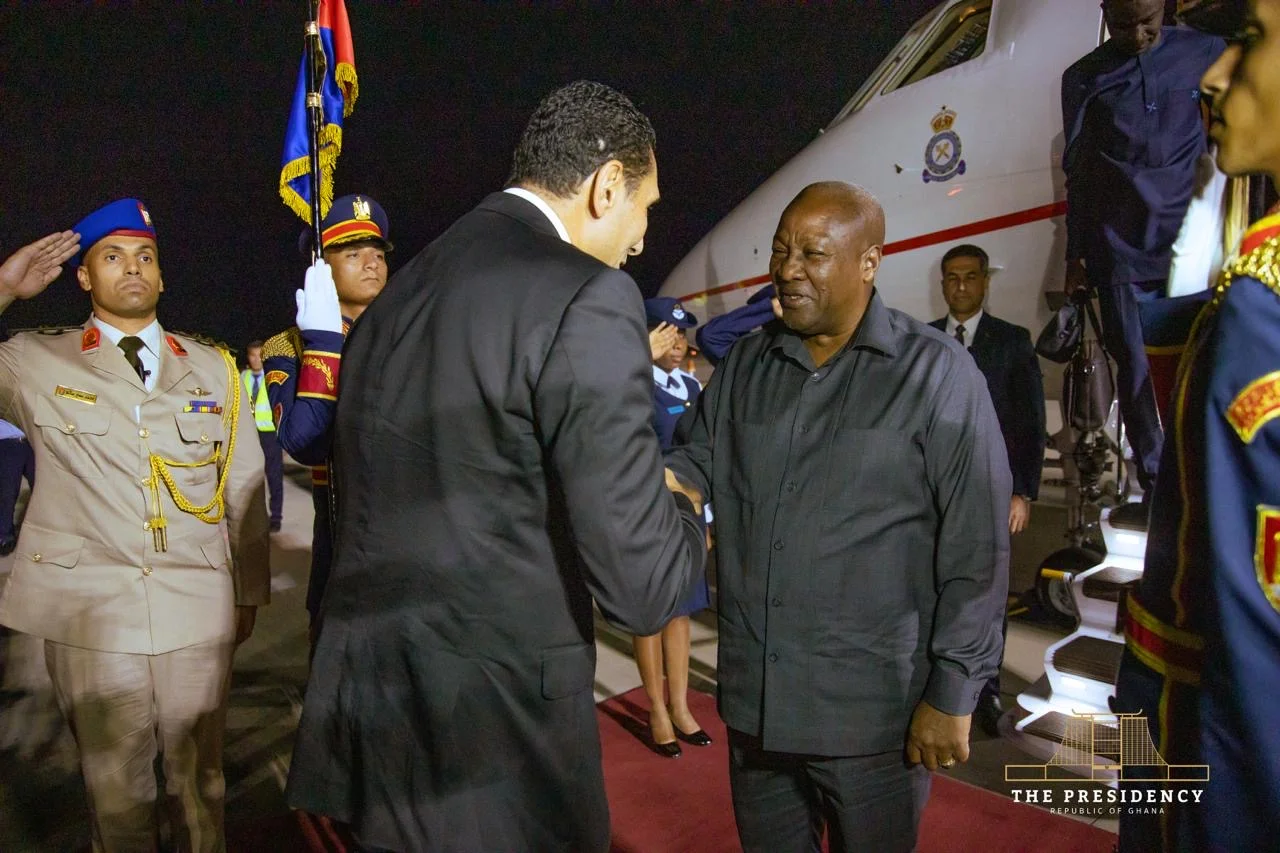
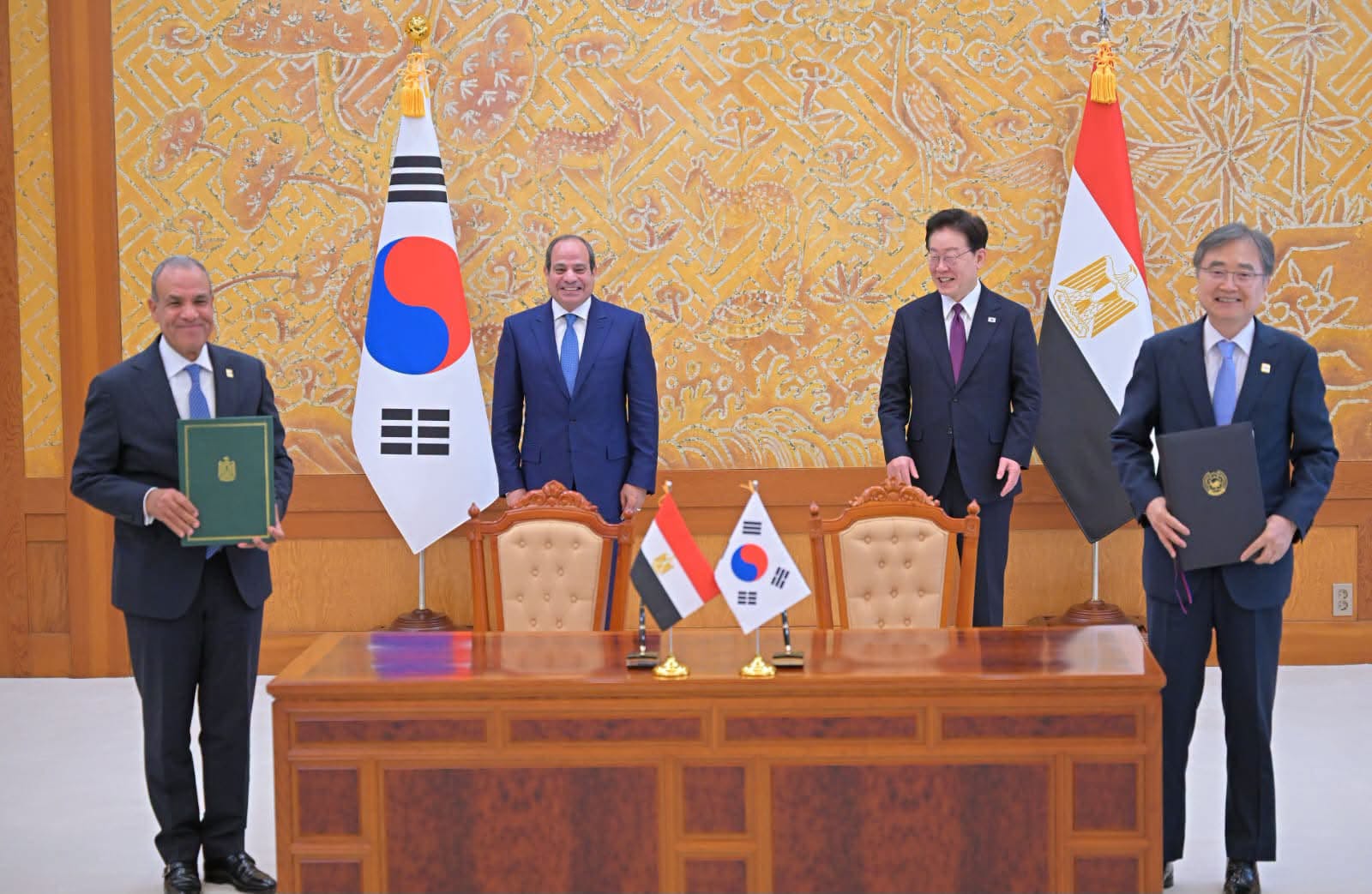
The agreement was signed on Sunday at the 69th Ordinary Session of the ECOWAS Authority of Heads of State and Government in Freetown, Sierra Leone, bringing together the 15 member states of the regional bloc.

A Decade in the Making
First proposed in 2016 during a visit by Morocco's King Mohammed VI to Abuja, where he met with then-President Muhammadu Buhari, the project has evolved from a bilateral initiative between Rabat and Abuja into a project embraced by all of West Africa.
Speaking at the summit, outgoing ECOWAS Chairman Julius Maada Bio confirmed the endorsement with characteristic optimism: "Don't be surprised when the gas comes your way". The Sierra Leonean leader's remarks underscored the regional bloc's commitment to improving energy infrastructure and boosting economic integration across West Africa.
The Pipeline by the Numbers
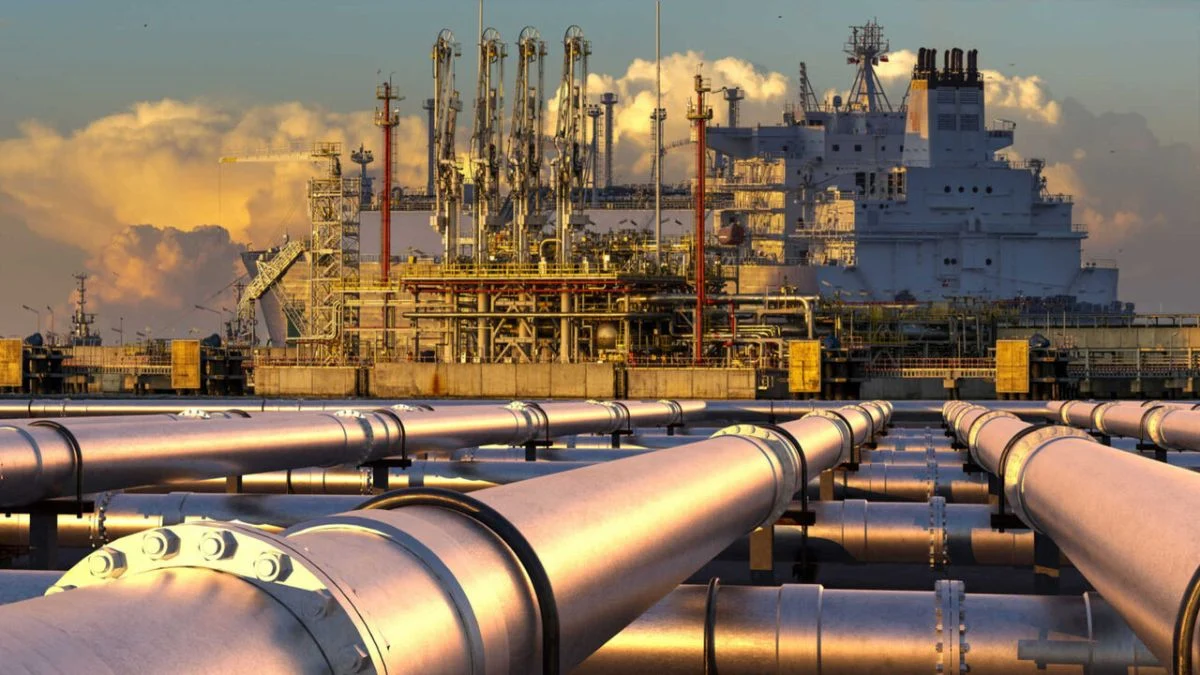
The scale of the project is staggering. At an estimated $25 billion, the pipeline will stretch approximately 6,900 kilometres (4,300 miles) along a hybrid offshore-onshore route, making it one of the world's longest offshore gas pipelines.
Key specifications include:
- Transport capacity: 30 billion cubic metres of natural gas per year
- Export capacity: Up to 15 billion cubic metres annually destined for Moroccan and European markets via the existing Maghreb-Europe pipeline
- Regional supply: The remainder will supply West African markets for electricity generation, fertiliser production, and industrial development
- Countries traversed: 13 nations along Africa's Atlantic coast: Nigeria, Benin, Togo, Ghana, Côte d'Ivoire, Liberia, Sierra Leone, Guinea, Guinea-Bissau, The Gambia, Senegal, Mauritania, and Morocco
- Consumer base: Approximately 400 million consumers
What the Agreement Means
The Intergovernmental Agreement provides the sovereign legal foundation required to move the multi-country project from vision to delivery. It paves the way for the establishment of two key institutions:
- The AAGP Project Company, to be headquartered in Casablanca, Morocco
- The Pipeline Higher Authority, based in Abuja, Nigeria, to oversee implementation
According to Nigeria's NNPC Group CEO Bashir Bayo Ojulari, "The AAGP is central to delivering that mandate by providing the infrastructure required to bring about 3 bcf/d of Nigerian gas to market. NNPC Limited is proud to co-lead this endeavour with ONHYM".
A Shift in Africa's Energy Landscape
The project signals a fundamental change from the current model where gas is typically extracted from African nations, refined and processed abroad, then shipped back at three or four times the price.
Energy expert and former Nigerian government advisor Charles Majomi told the BBC: "That practice must end, because it is a complete devaluation of the resource that is so fortunately endowed in places like Nigeria and other countries".
Professor Ganiyat Adejoke Adesina-Uthman of Nigeria's National Open University added: "Beyond energy security, it will open up Africa as a corridor to international markets".
Strategic Importance
The Atlantic route is seen as a strategic choice. Unlike the Trans-Saharan Gas Pipeline through Niger and Algeria, this route largely avoids the Sahel's most insecure regions, although offshore construction significantly increases costs.
The project is expected to:
- Strengthen regional gas trade and energy security
- Support industrial clusters and create thousands of jobs
- Position Morocco as an energy bridge between Africa and Europe
- Provide an alternative to gas exports halted when Algeria severed diplomatic ties with Morocco in 2022
- Deepen regional integration by linking energy markets across West Africa and the Sahel
What Happens Next
Construction is expected to begin in 2028, with first gas deliveries projected for 2031. The project will be built in phases rather than all at once, starting with the Morocco-Mauritania-Senegal axis, moving to the Ghana-Côte d'Ivoire axis, with the final connection to Nigeria.
The next milestone will involve a dedicated ceremony in Morocco where the Kingdom and Mauritania will jointly sign the agreement in the presence of Nigeria's President. The signing will formalise participation by the two non-ECOWAS member states involved in the project.
Following this, investors will be mobilised ahead of the Final Investment Decision.
Challenges Remain
Despite strong political momentum, significant obstacles persist. Financing the $25 billion project remains a formidable challenge, with costs potentially pushed higher by inflation. Additionally, the success of a project of this scale relies on all participating nations playing their part to protect the infrastructure from attacks and ensure political stability across the route.
Nevertheless, feasibility studies are complete, as are the front-end engineering design studies, and the route has largely been agreed. The project is now at a more advanced political and technical phase than at any point since it was first proposed a decade ago.
With reporting from Reuters, BBC, Naija News, Daily Trust, BusinessDay, MapNews, and the Nigerian National Petroleum Company Limited.




Comments (0)
No comments yet. Be the first to share your thoughts!