

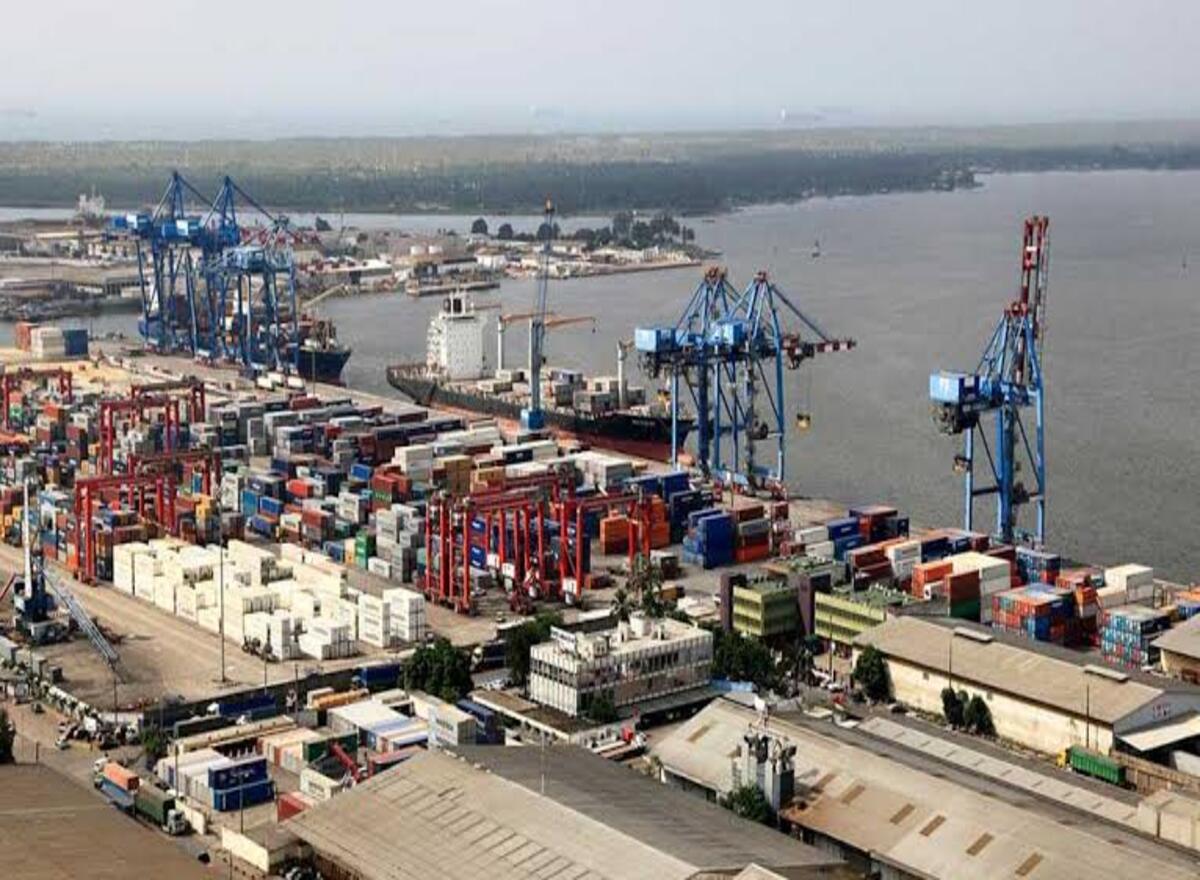
Africa’s ports have traditionally been viewed as gateways through which the continent exports minerals, agricultural products and energy while importing manufactured goods. That role, however, is changing because as global powers compete for critical minerals, new markets and secure supply chains, Africa’s ports are increasingly becoming strategic assets in a wider geopolitical contest.
More than 80 per cent of global trade in goods by volume is carried by sea, making ports fundamental to international commerce. At the same time, geopolitical tensions and disruptions to major shipping routes are forcing countries and companies to rethink how goods move around the world with UN Trade and Development saying that Africa recorded a 10 per cent improvement in liner shipping connectivity between June 2024 and June 2025, the fastest regional improvement during that period.

This is creating a new race for influence involving African governments, China, the European Union, the United States and Gulf states.
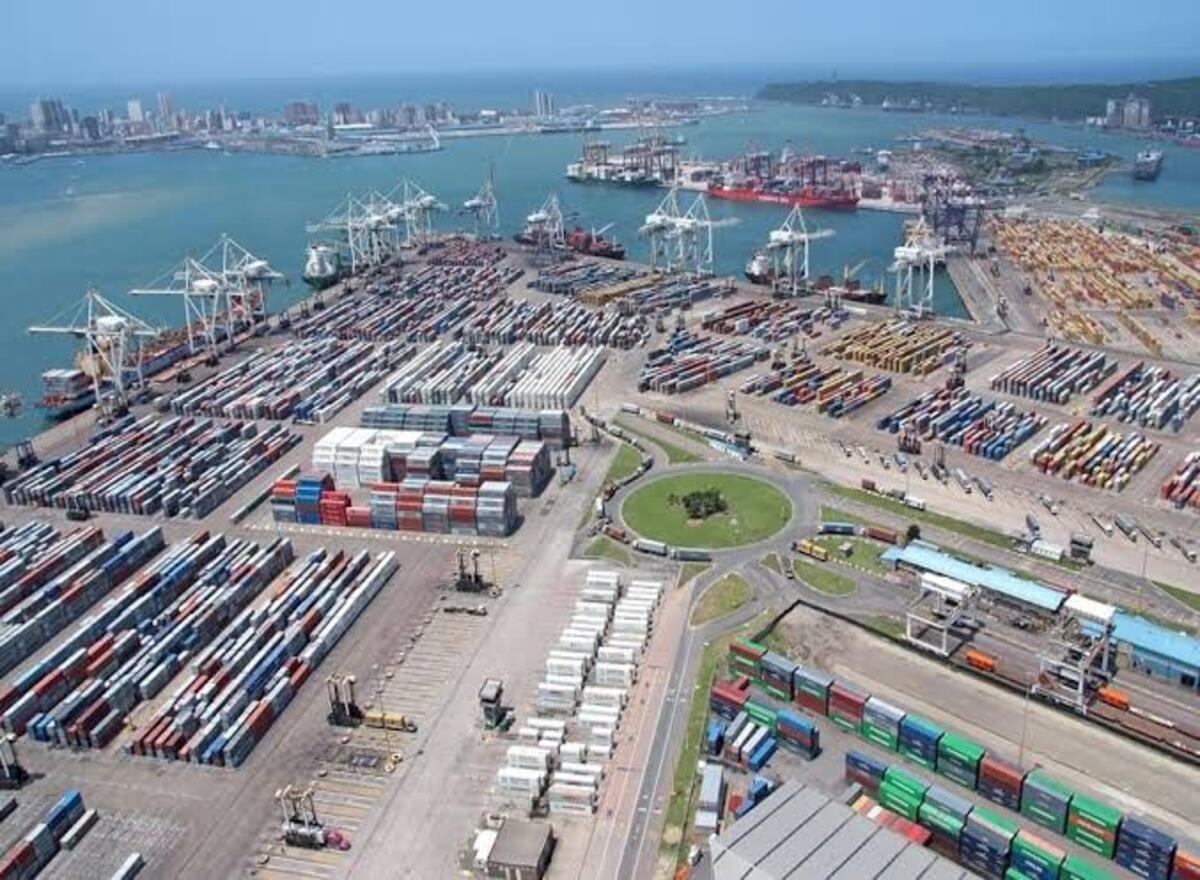
The battle for East Africa
East Africa offers one of the clearest examples of this emerging competition.
Kenya’s Port of Mombasa and Tanzania’s Dar es Salaam are major gateways for the region, serving not only their domestic economies but also landlocked countries including Uganda, Rwanda, Zambia, Burundi and parts of the Democratic Republic of Congo.
Their importance goes beyond the coastline and the real competition is between the corridors connecting these ports to Africa’s interior because notably a port with efficient railways, highways, customs systems and warehouses can move cargo faster and more cheaply than a rival port, potentially attracting trade from neighbouring countries.
For example the port of Dar es Salaam has received significant international investment in recent years, including through a long-term agreement with Dubai-based DP World. The investment reflects the growing role of Gulf companies in African logistics and infrastructure,on the other hand however Mombasa remains central to Kenya’s ambition to position itself as East Africa’s principal commercial gateway with enhanced infrastructure,revamped machinery and continous massive government investment to make the port world class competitive.
The competition between these two ports is therefore increasingly a competition between entire economic corridors and merely between the two countries.
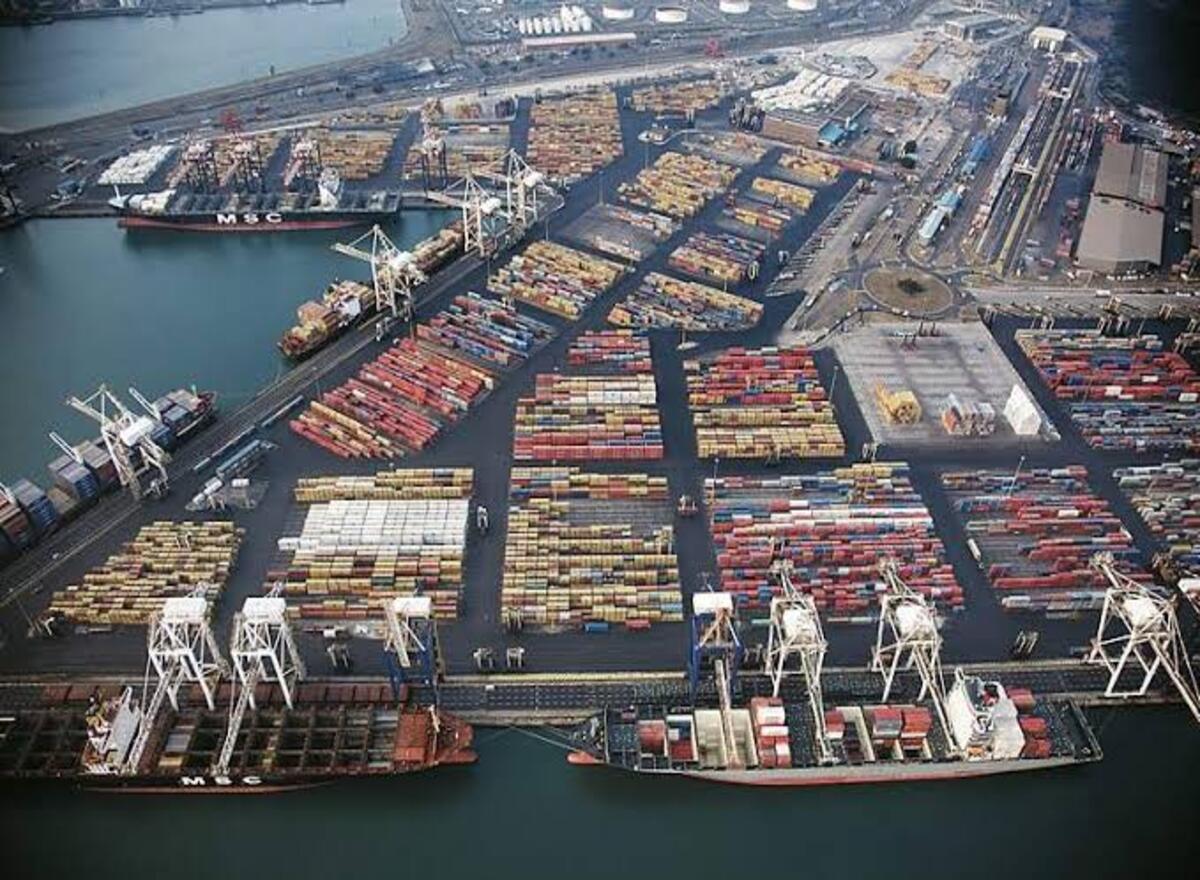
China, Europe, America and the Gulf
Africa’s ports are also becoming part of a much larger geopolitical contest.
China has spent decades investing in African infrastructure, including ports, railways and roads. These investments have strengthened connections between African markets and global supply chains while also expanding Beijing’s commercial presence across the continent.
The Gulf states are also now playing a growing role as well with Companies from the United Arab Emirates and other Gulf economies investing in ports and logistics networks as they seek to establish themselves as global trade and transport hubs in these getaway ports of Africa.
Europe has responded through initiatives such as the Global Gateway, which supports strategic transport corridors designed to improve trade connections between Africa and Europe. The European Union has identified 11 African transport corridors where targeted investment could improve connectivity, strengthen value chains and reduce trade bottlenecks.
The United States is also paying greater attention to African infrastructure, particularly where ports and railways connect to critical minerals which means that a port investment can no longer be viewed simply as a commercial transaction but as forming part of a country's broader geopolitical strategy.
Lobito and the critical minerals race
Perhaps nowhere is this clearer than the Lobito Corridor.
The corridor connects Angola’s Atlantic coast with mineral-rich areas of the Democratic Republic of Congo and Zambia. Its importance has increased because copper and cobalt are essential to industries including batteries, electric vehicles and renewable-energy technologies.
For Western countries seeking to diversify critical-mineral supply chains, Lobito provides an alternative route for minerals from Central Africa to international markets which has brought the corridor a considerable attention from the United States and Europe.
The strategic lesson is clear: whoever can build efficient connections between Africa’s mines, railways, ports and international markets can gain significant influence over future supply chains.
The battle is therefore no longer simply about who owns or operates a port but rather who controls the corridors connecting Africa's resources to the world.
Djibouti and the Red Sea
Further north-east, Djibouti demonstrates how geography can transform a small country into a major strategic player.
Located near the Red Sea and the Gulf of Aden, Djibouti sits close to one of the world's most important maritime routes. Its position has attracted both commercial and military interest from several global powers.
The disruption of shipping through the Red Sea has demonstrated the vulnerability of global trade to geopolitical conflict. Ships have been forced to take longer routes around the Cape of Good Hope something that has increased voyage times, costs and emissions for Africa, the disruption has produced both risks and opportunities because Ports positioned along alternative routes have become more important as shipping companies look for resilience. However, countries heavily dependent on particular maritime corridors have also faced higher import costs and delays when those routes are disrupted.
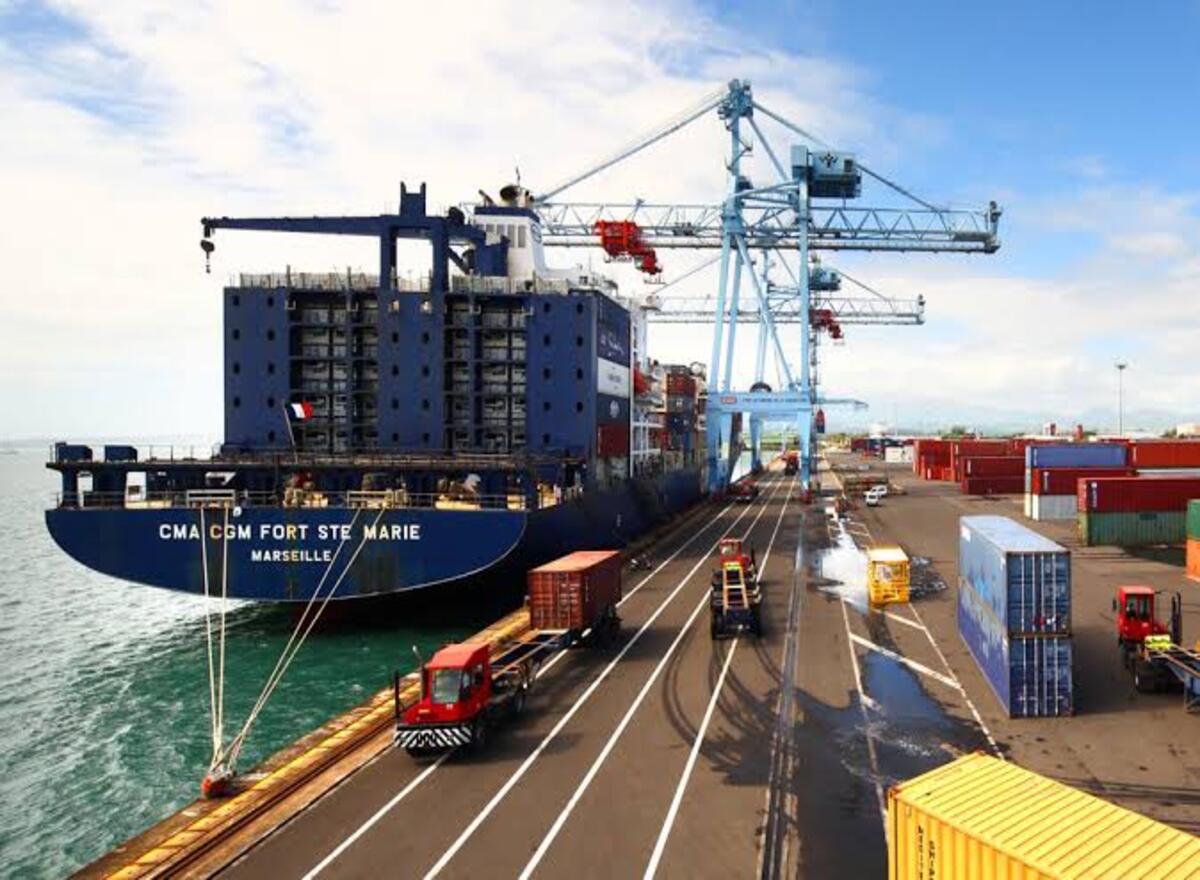
The battle is moving inland
The biggest mistake would be to think the competition ends at the port gates.
A modern port is only as effective as the infrastructure behind it.
Railways must connect ports to industrial centres. Roads must connect them to farms and businesses. Customs systems must reduce delays, while digital platforms must allow cargo to move efficiently across borders.
This is why Africa's emerging port competition is really a competition between trade corridors.
A recent study of Africa's transport network identified hundreds of maritime and inland connections across the continent, highlighting how ports, roads and railways form an interconnected system rather than isolated infrastructure projects.
For landlocked countries, these corridors are particularly important. Uganda, Rwanda, Zambia, Zimbabwe and parts of the DRC depend on neighbouring countries' ports to reach global markets.
Whoever provides the fastest and cheapest route therefore gains an economic advantage.












Comments (0)
No comments yet. Be the first to share your thoughts!