


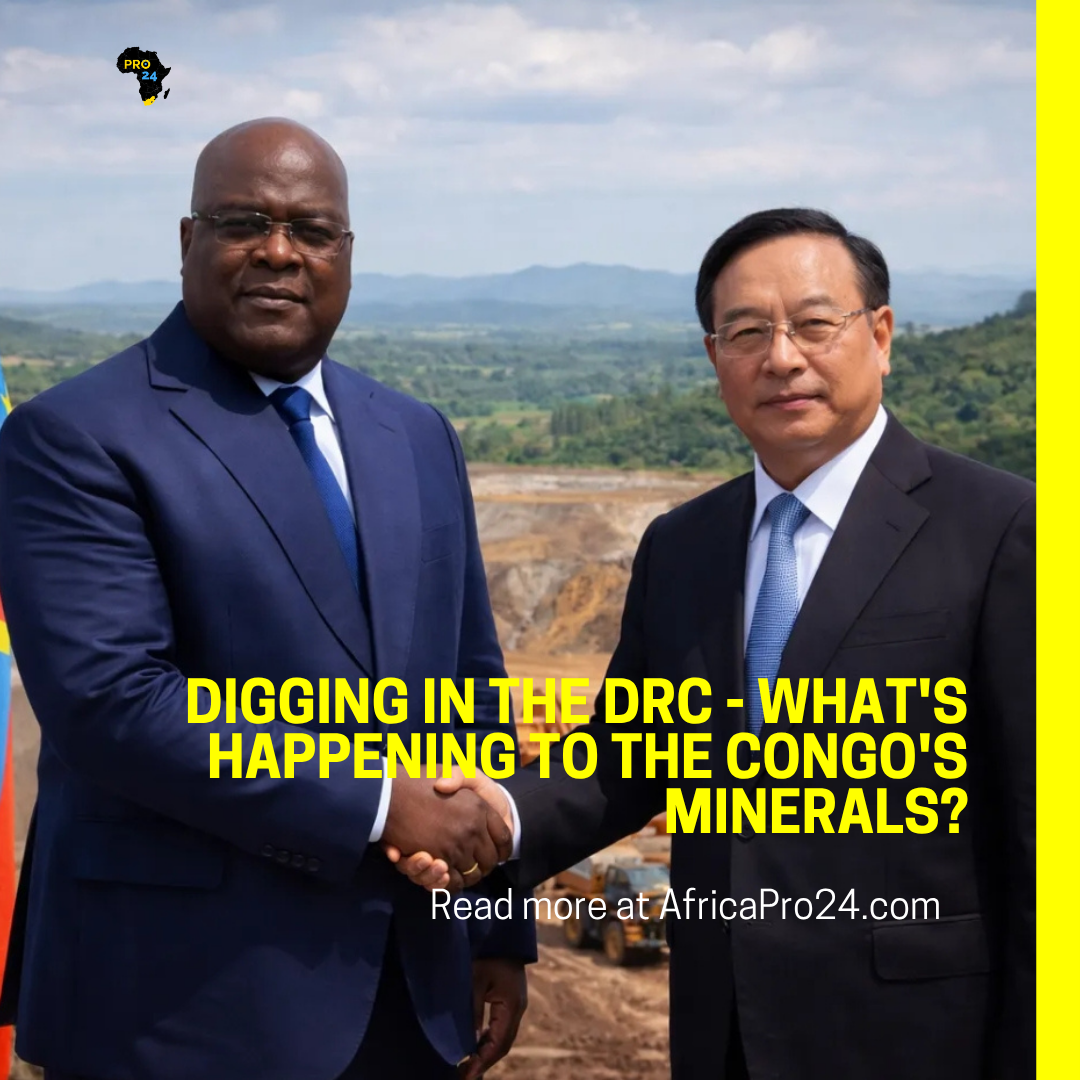
For years, China has been a dominant force in the Democratic Republic of Congo’s mining industry. Now, the United States and other Western powers are paying closer attention to the country’s critical minerals as governments seek to secure supplies for the energy transition and advanced technologies.

For Congo, this growing competition could create an opportunity. With multiple global powers seeking access to its resources, Kinshasa could have greater leverage in negotiating what it gets in return. But there is another risk: Congo could once again become the focus of a foreign scramble, with global powers competing for its minerals while the country captures too little of the value.
In Part Two, Junior N. Badila looks at the changing geopolitical race for Congo’s resources and whether Kinshasa can turn global demand into a better deal for the country. Check out Part One of this interview here.
How China Built Its Lead
Caleb Koyo: Junior, China has built a formidable position in Congo’s mining sector. How did Beijing become so influential, and what did Chinese companies understand about Congo’s mineral potential that others perhaps underestimated?
Junior Badila: Thank you, Caleb. Beijing established its footprint in the DRC through sustained capital, calculated risk-taking and political non-interference. Since the 1999 “Go Out” initiative, Chinese state enterprises have been encouraged to secure vital raw materials abroad.
Engagement deepened with the 2008 Sicomines accord, a $6 billion minerals-for-infrastructure pact linking Chinese financing and engineering to copper and cobalt extraction. It became a cornerstone of China’s industrial presence in the country.
Chinese firms also entered areas that Western companies often avoided because of political and operational risks. They anticipated that Congolese resources would become increasingly important to electric vehicles and the broader shift toward clean energy.
Beijing offered a broader package: investment, extraction expertise, refining capacity and links to global markets. Europe, meanwhile, has faced greater financial and regulatory constraints. China therefore acted earlier and with greater conviction, treating Congolese mining as a strategic priority rather than simply a series of commercial ventures.
Why Washington Is Moving In
Caleb Koyo: It is this conviction that the United States is now trying to counter. What do you think has changed in Washington’s calculations?
Junior Badila: Interesting, Washington’s interest in the DRC is not entirely new. Since the early post-colonial era, particularly during the Cold War, Kinshasa has been regarded as an important strategic ally for Washington in Africa.
The relationship also has deep mineral roots. Uranium from the Shinkolobwe mine in the former Belgian Congo was a principal source for the Manhattan Project during the Second World War.
What has changed today is the scale and urgency of the competition. China’s dominance across cobalt, copper and battery supply chains has highlighted the risks of relying heavily on a single country for materials essential to clean energy, electricity grids, AI and defense.
The United States is therefore seeking to diversify its supply chains, support strategic infrastructure such as the Lobito Corridor, and strengthen cooperation with the DRC and Zambia. It's all about global competition over energy security, advanced technology and industrial power.
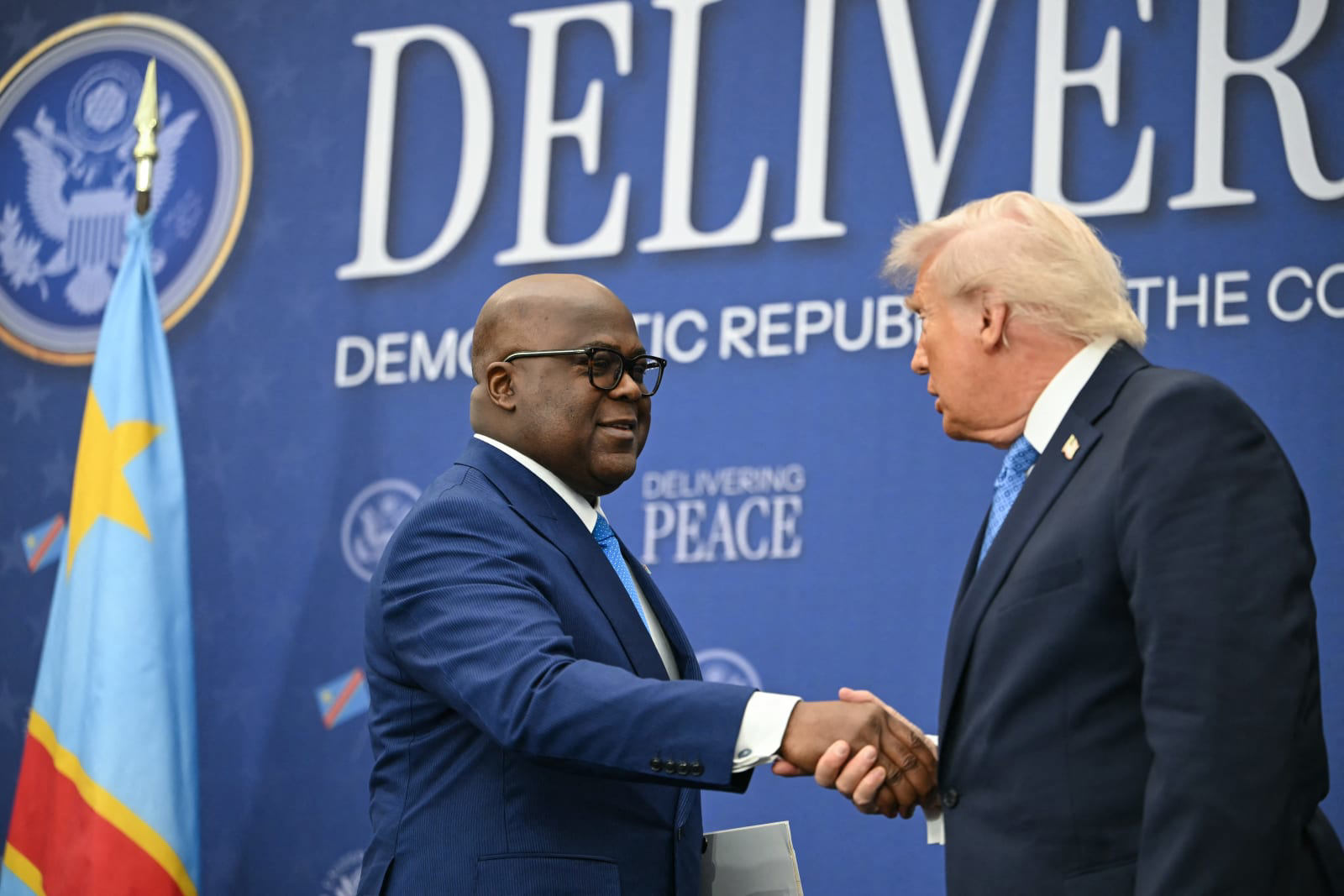
Caleb Koyo: We can all agree there is strong competition between Washington and Beijing. Do you think US engagement is primarily about helping Congo industrialize, or is it fundamentally about reducing China’s influence over critical-mineral supply chains?
Junior Badila: Great question. While supporting Congo’s industrial growth is part of the US strategy, it is not the main focus. Washington’s priority is securing reliable access to critical minerals such as cobalt and copper, which are vital for defense, green energy, AI and high-tech manufacturing.
The US-backed development of the Lobito Corridor illustrates this. By connecting mineral-rich areas of the DRC and Zambia to Angola’s Atlantic coast, the corridor offers an alternative export route and aims to reduce dependence on China-dominated supply chains. Washington knows China has built a significant lead in securing mineral assets, processing capacity and long-term supply agreements.
Congo’s Bargaining Power
Caleb Koyo: So the US wants something more, right? There is also Europe and other investors competing for access to Congo’s resources. Does that genuinely give Congo greater bargaining power?
Junior Badila: Yes. Kinshasa has more room to negotiate for better financing, infrastructure, technology transfer, local processing and employment opportunities. However, bargaining power does not automatically produce better outcomes. The DRC must define clear national priorities, strengthen its institutions and negotiate from a coordinated, long-term strategy.
The real opportunity is to use the importance of its minerals to secure partnerships that support industrialization, retain more value domestically and deliver tangible benefits to millions of Congolese.
Caleb Koyo: If you were advising Congolese policymakers, what should they demand from foreign mining investors beyond taxes and royalties, technology, infrastructure, jobs, local processing or something else?
Junior Badila: Caleb, decisions by Congolese authorities must go beyond simple fiscal collections. The focus should shift toward an integrated strategy that connects resource extraction with domestic industrial growth.
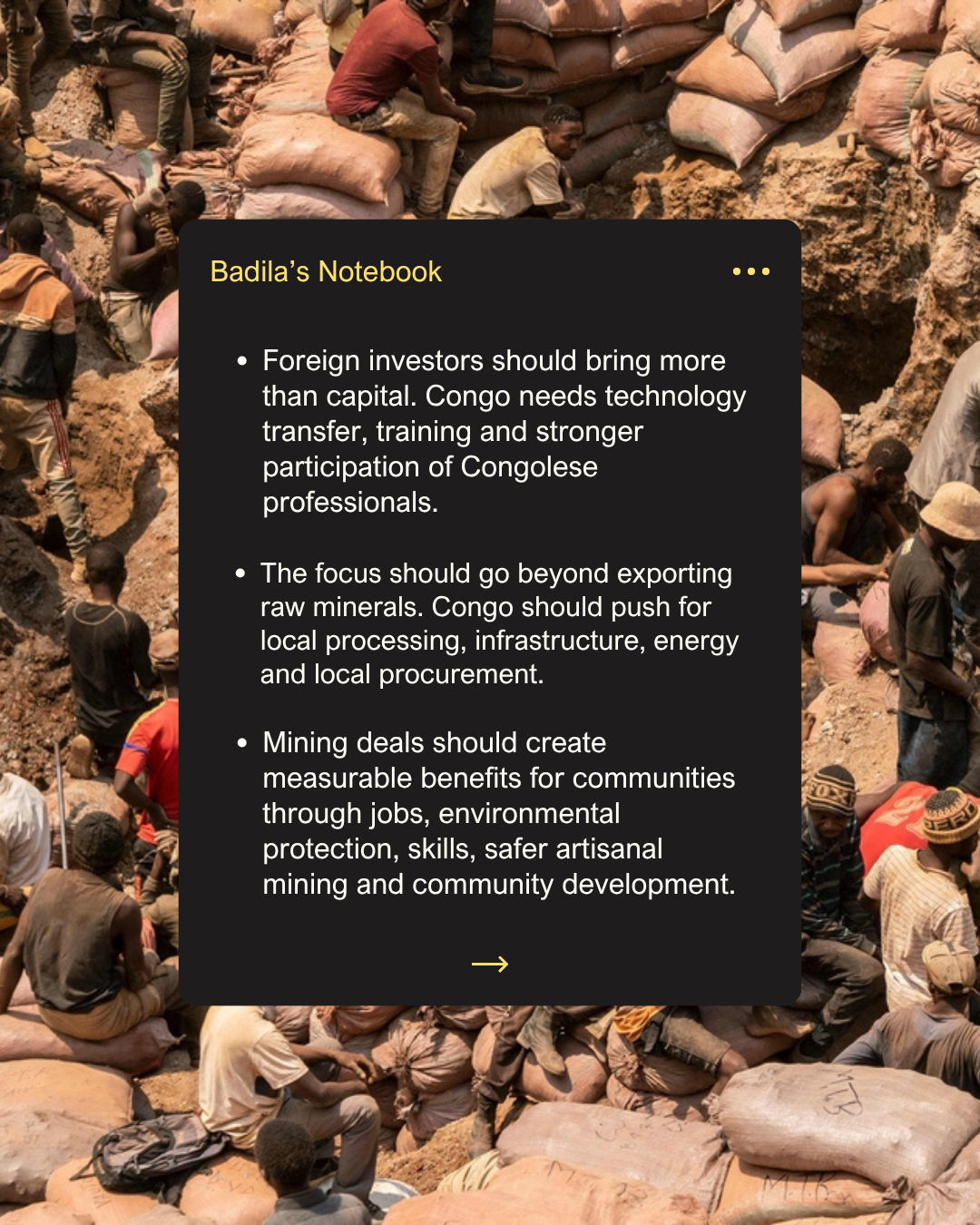
Foreign investment should deliver technology transfer, infrastructure, local processing, reliable energy and skilled, well-paid jobs. Policymakers should also prioritize training Congolese mining experts, from geologists and engineers to technicians, regulators, researchers and executives.
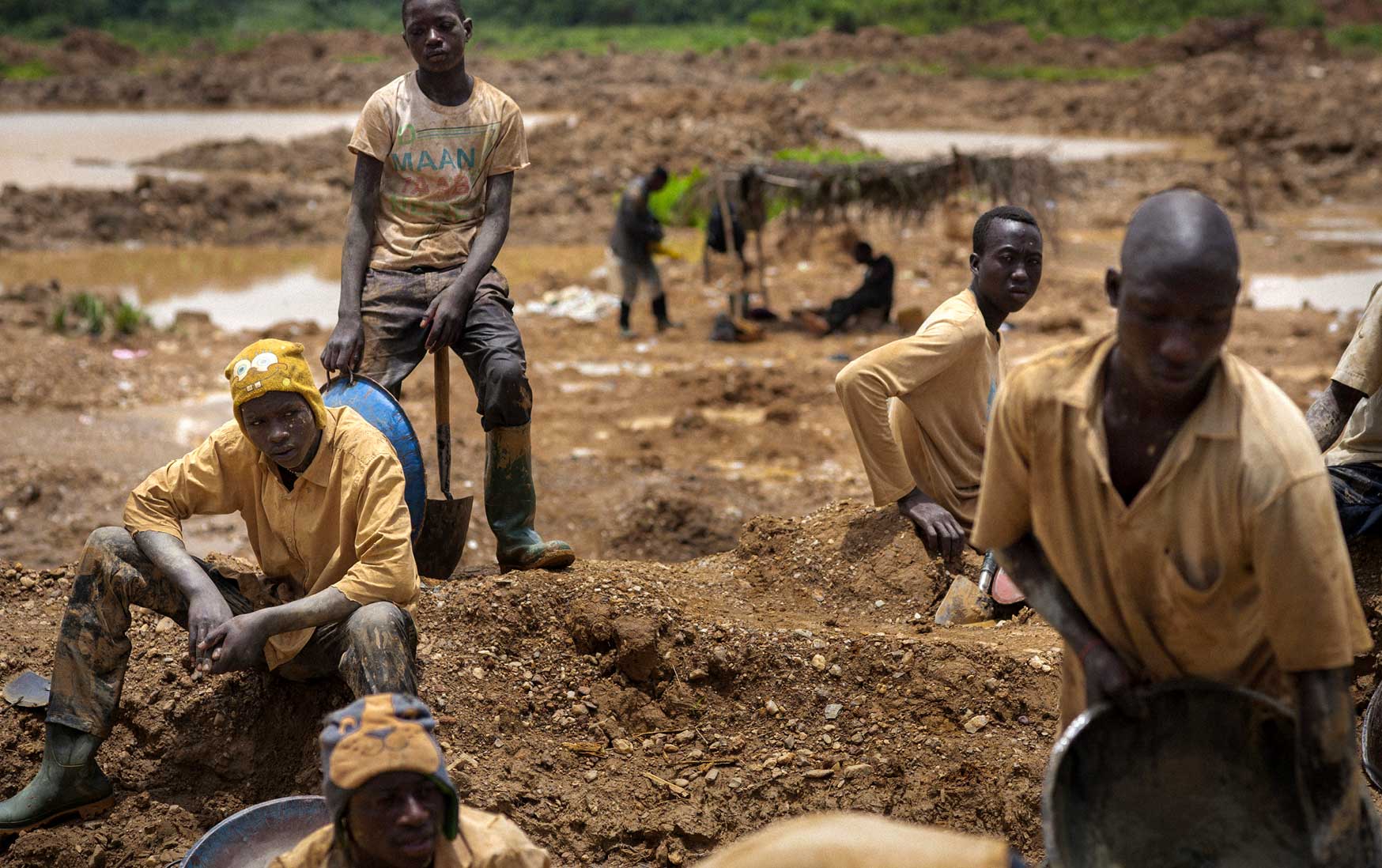
The artisanal and small-scale mining sector is another opportunity. In provinces such as Lualaba and Haut-Katanga, foreign investors could support regulated mining cooperatives through safer equipment, geological knowledge, training, transparent purchasing arrangements and access to finance.
Mining contracts should include measurable requirements for local procurement, Congolese participation in management, environmental protection, community development and partnerships with Congolese companies and cooperatives. It’s not simply about exporting more minerals, but about building the local capacity, institutions and industries needed to retain more value inside the country.
The Rules for Foreign Investors
Caleb Koyo: Congo has increasingly questioned and renegotiated mining agreements. At what point does legitimate resource nationalism become a problem for investor confidence?
Junior Badila: Yes, Congolese policymakers are currently reviewing the Mining Code. The aim is to strengthen local procurement and Congolese participation without discouraging capital investment.
Investors need legal certainty, transparency and stable rules. The right balance is firm negotiation within a coherent, predictable and consistently enforced mining policy. The hope is that these reforms ultimately translate into tangible benefits for the people of Kinshasa and across the DRC.
Caleb Koyo: Let’s bring in the people. They want more minerals processed locally. Is Congo realistically capable of moving from being a mining centre to becoming a major industrial and battery-production hub? What are the biggest obstacles?
Junior Badila: Yes, we are doing this interview because of the people, and that is important. As I said earlier, the DRC has the mineral base to become a major processing and battery-production centre. But mineral wealth alone is not enough.
The biggest obstacles are inadequate power supply, weak transport infrastructure, limited refining capacity, restricted access to finance, stringent due-diligence and compliance requirements, and a shortage of specialized skills. Regulatory uncertainty and inconsistent industrial policies also discourage long-term investment.
I continue to support the DRC–Zambia Battery Initiative, which offers a credible regional model by combining Congo’s cobalt and copper with Zambia’s industrial capacity and infrastructure. The transition is realistic, but it must be built gradually, from refining minerals to producing battery precursors, cells and eventually finished products.
Can Congo Move Up the Value Chain?
Caleb Koyo: The DRC and Zambia are increasingly discussing cooperation around their shared Copperbelt and the wider Lobito Corridor. Could this become the foundation of a genuinely African mineral-processing industry, rather than simply another route for exporting raw materials?
Junior Badila: Of course. The DRC–Zambia Copperbelt and the Lobito Corridor could support a genuinely African mineral-processing industry. Without a focus on industrialization, the Lobito Corridor risks simply speeding up the export of raw minerals to foreign markets.
The DRC–Zambia Battery Initiative provides an important foundation for regional cooperation. Both countries should coordinate policies on refining, energy, logistics, skills development and local procurement.
Its success should be measured not only by export volumes, but also by African jobs, technology transfer and the value retained within the region.
Caleb Koyo: Does this cooperation put Congo in a stronger position to negotiate, or are we simply witnessing a new scramble for African resources involving a different set of global powers?
Junior Badila: I think Congo is in a stronger position than it was before, because the global demand for its minerals has created more options. But we should not confuse global competition with bargaining power. The DRC can negotiate from greater strength if it coordinates with Zambia and other African countries, strengthens its institutions and makes local industrialization a clear condition of investment.
Otherwise, we risk repeating the same pattern under a different set of partners: foreign companies extract the minerals, Africa exports them and most of the value is created elsewhere. So yes, this is an opportunity, but whether it becomes a new scramble or a turning point will depend largely on how Congo negotiates and what it demands in return.
Caleb Koyo: Finally, let’s look at China’s dominance of the downstream cobalt supply chain from Congo. The US and EU increasingly see this as a strategic competition. Where does the Congolese government stand in this contest, and how should Kinshasa position itself?
Junior Badila: It is clear that Congo has bargaining power. But the way I see it, the question is different. It is not simply about who wants our minerals; it is about how much value those minerals create and retain at home for the Congolese people.
The DRC should use competition between China, the United States, Europe and others to secure technology transfer, skilled jobs, local processing, infrastructure and stronger participation by Congolese businesses.
The opportunity is there. The real test is whether Congo can turn its mineral wealth and its bargaining power into lasting economic value for its people.
Junior N. Badila is a London-based media and mining research consultant, founder of AUK Media and Mukuba Minerals Forum, and Europe representative for MiningCongo.cd. He oversees the MiningCongo platform in Europe, connecting media, industry, policymakers and communities around critical minerals, responsible mining and the energy transition in the DRC and Zambia.
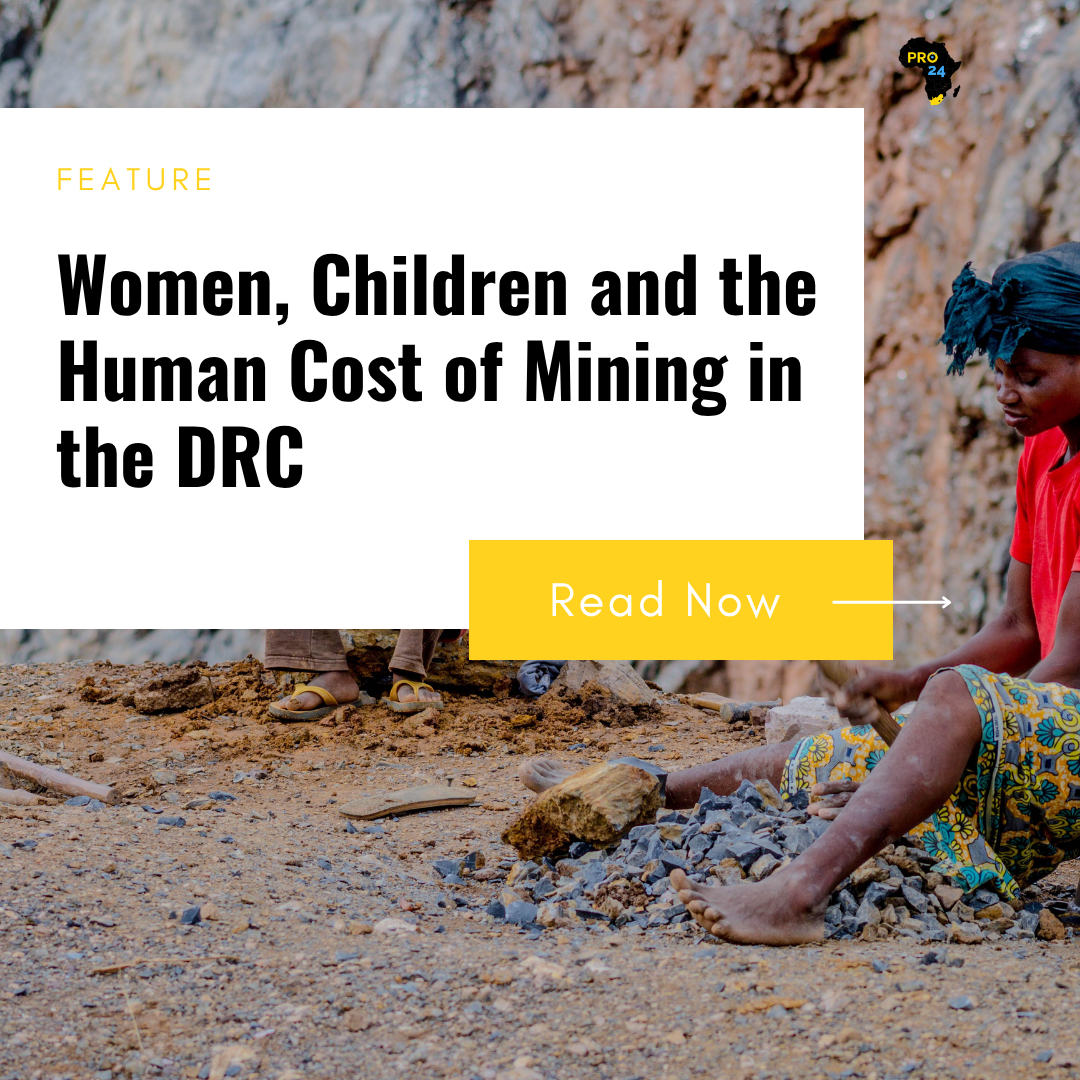
In Part Three of this exclusive interview, we turn to the human cost of mining, including its impact on children, women and communities facing displacement. Be sure to revisit Part One (here) and follow Junior Badila on LinkedIn.




Comments (0)
No comments yet. Be the first to share your thoughts!