



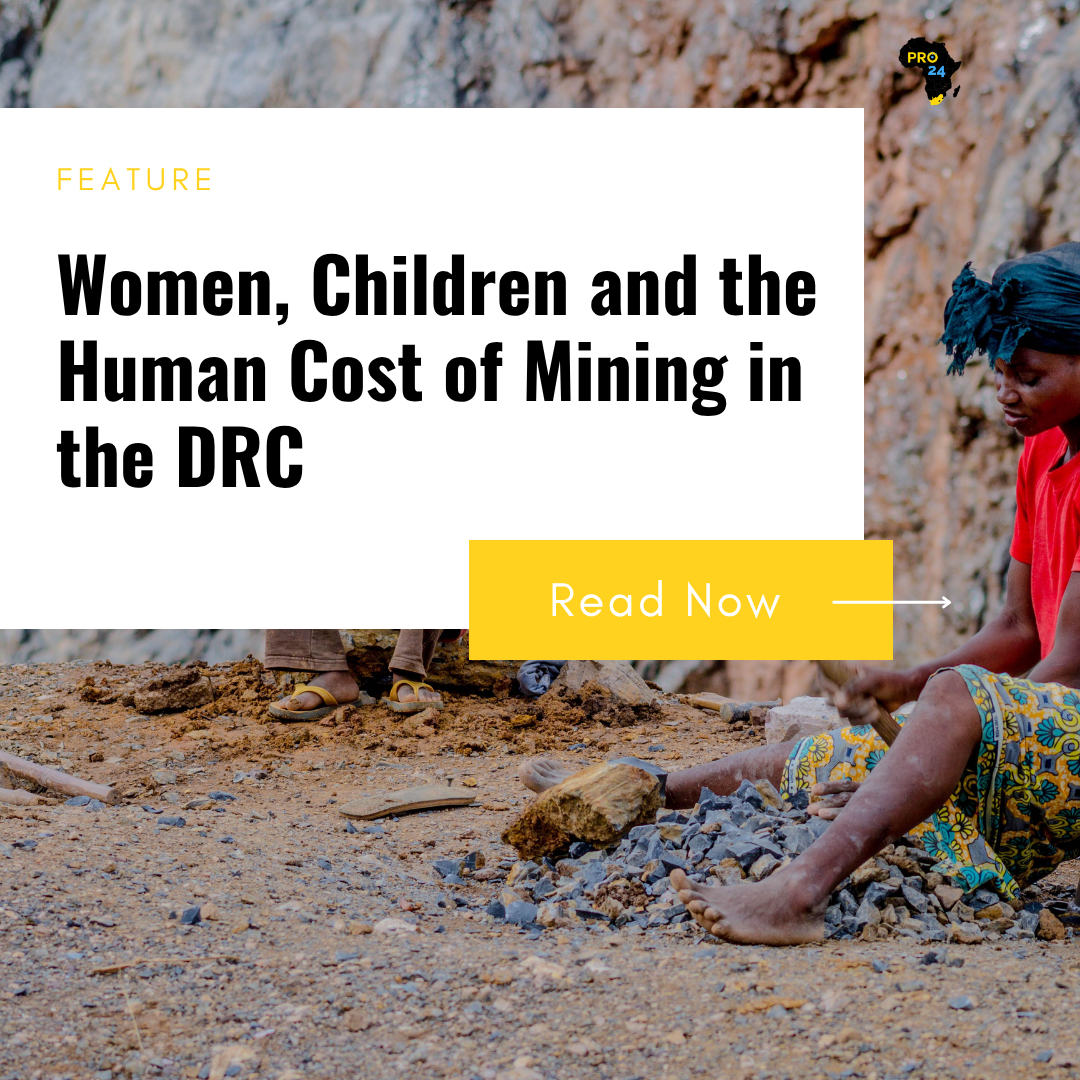
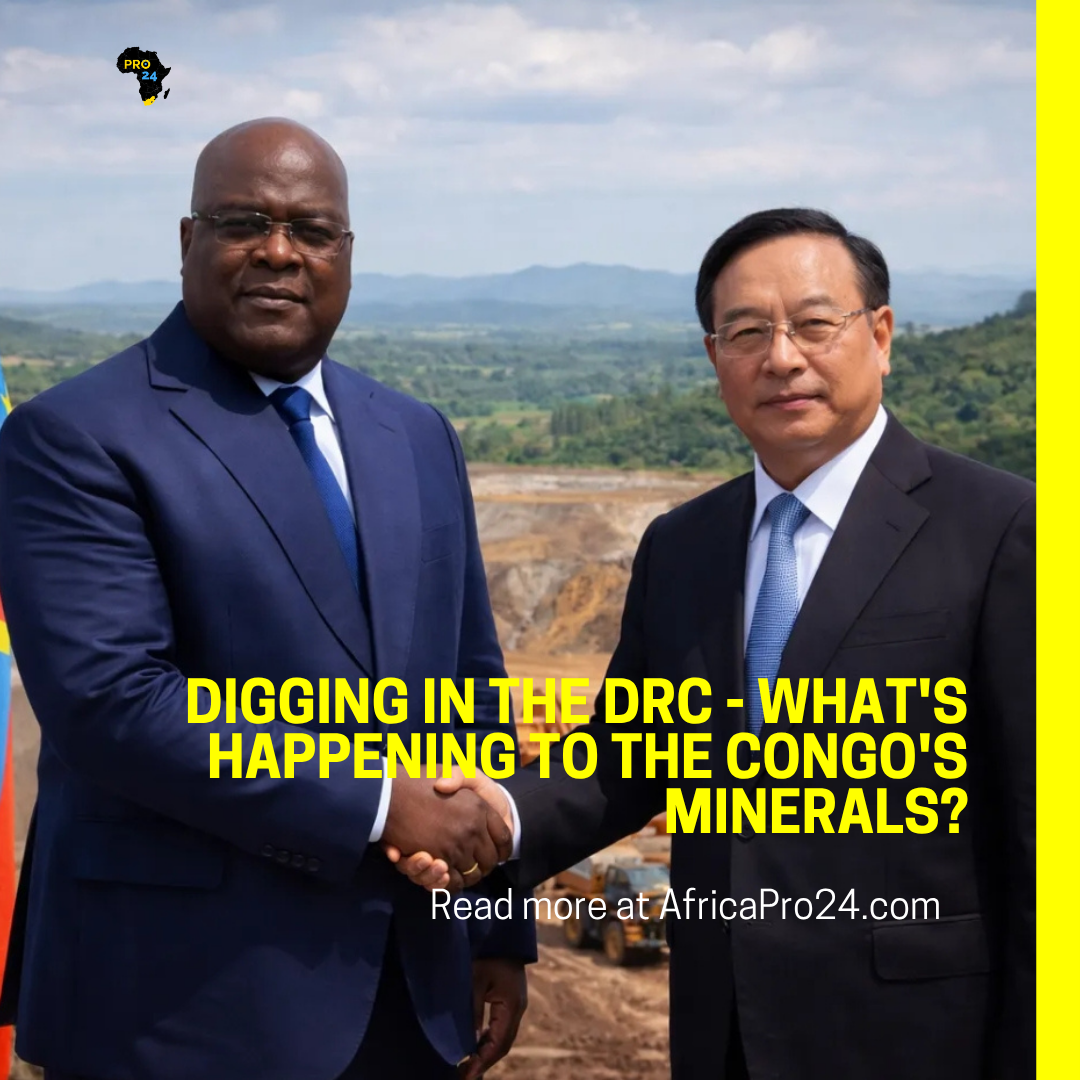
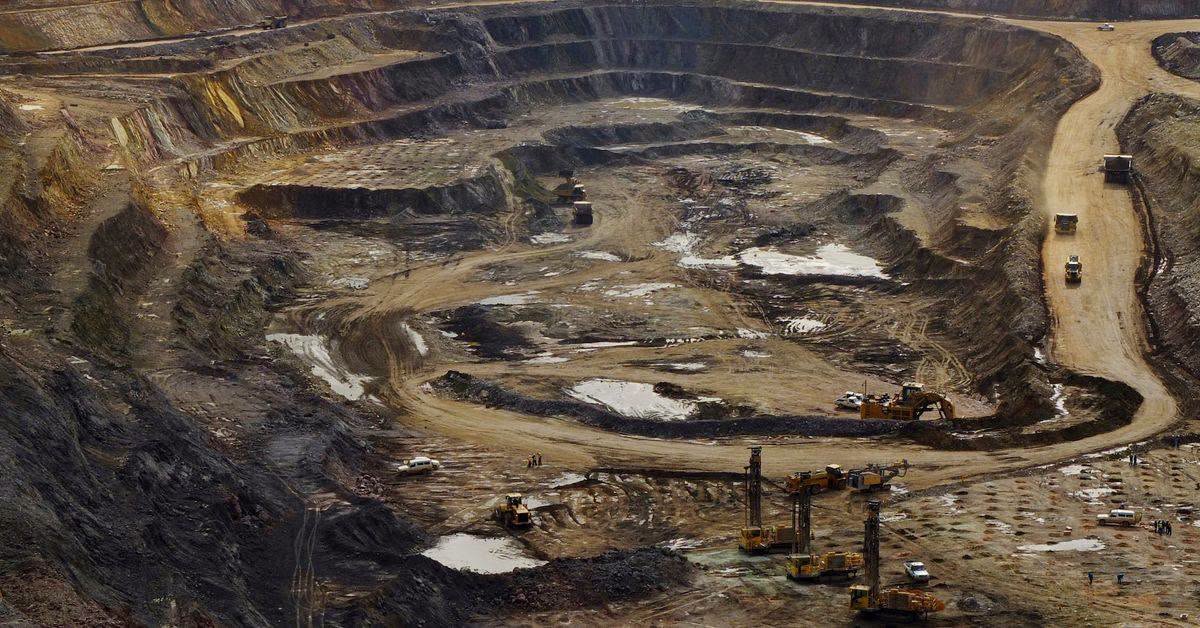
The Democratic Republic of Congo is at the centre of a global race for minerals considered essential to the energy transition and emerging technologies. The country holds vast deposits of copper and cobalt, alongside gold, coltan and other minerals that are increasingly important to electric vehicles, renewable energy, electronics and other technologies.

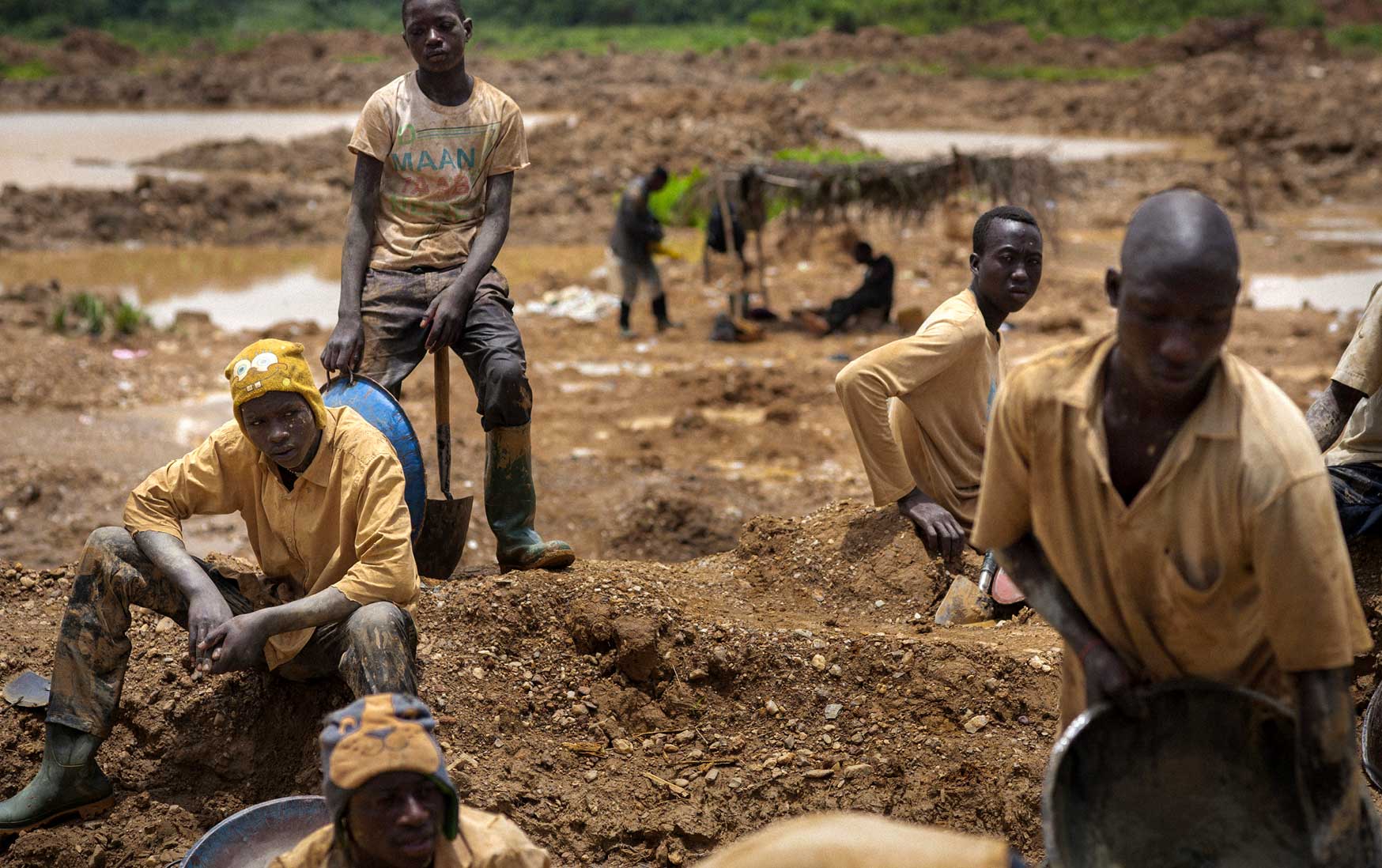
Yet Congo's mineral wealth presents a paradox. After decades of extraction, many communities living around mining areas remain poor, while much of the country's mineral wealth continues to leave the country with limited processing taking place locally.
So, what does Congo have, why does the world need it, and why has its mineral wealth not translated into broad-based prosperity?
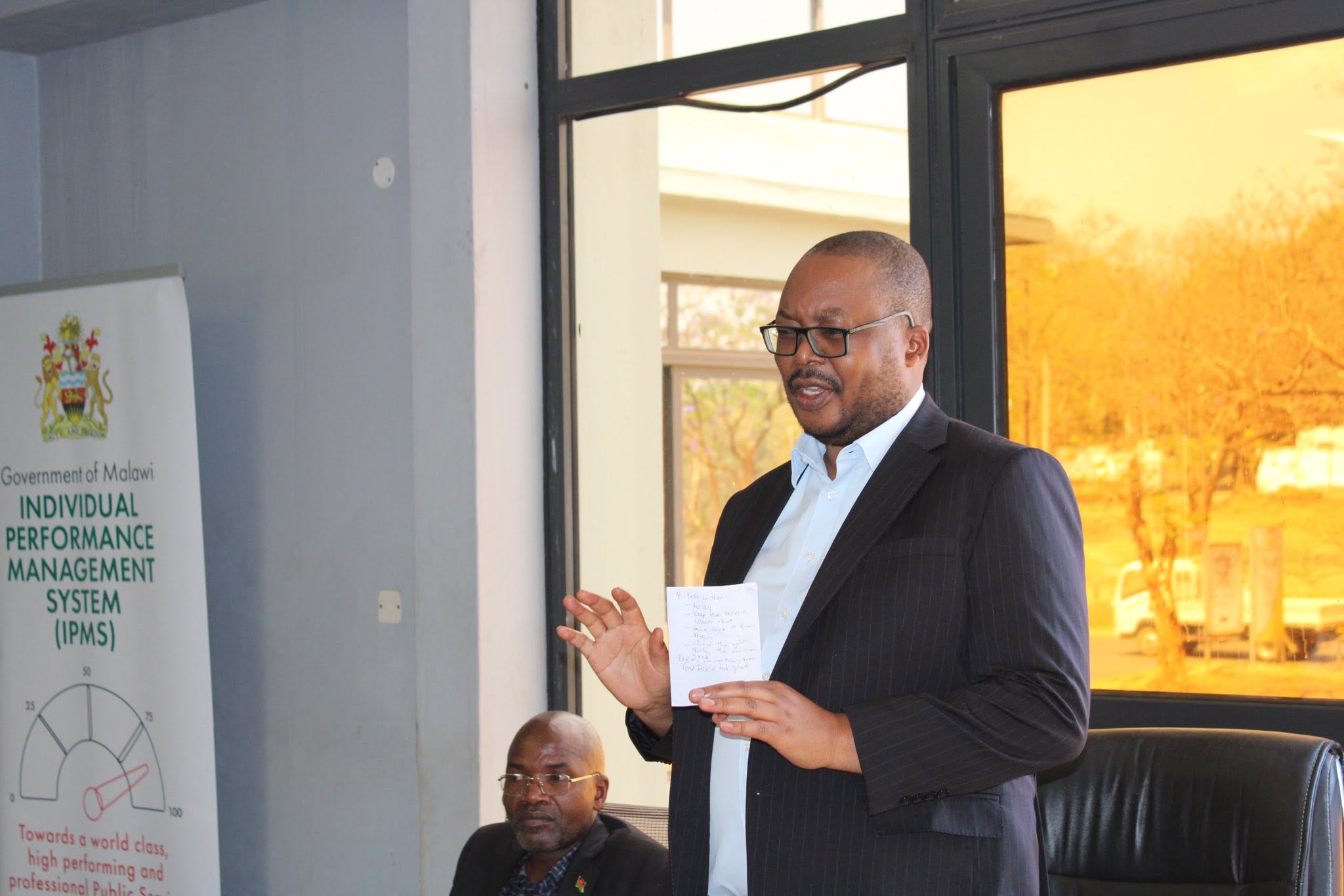
In this four-part interview series, we explore those questions with Junior N. Badila, a London-based media and mining research consultant, founder of AUK Media and Mukuba Minerals Forum, and overseer of the MiningCongo platform in Europe.
In Part One, Badila explains Congo's mineral wealth, the global demand driving interest in it and the gap between the value of the resources underground and the benefits reaching people on the ground.
What the world needs from Congo
Caleb Koyo: Junior, thanks for making time, Congo is sitting on some of the world's most important mineral deposits. What does the world actually need from the DRC right now, and why has its importance increased so dramatically?
Junior Badila: Thanks for having me, Caleb. Now, the Democratic Republic of Congo is the top cobalt producer and second-largest copper producer after Zambia. Copper is essential for electricity grids, renewable energy systems, EVs, data centers and the rapid expansion of artificial intelligence.
We need to bear in mind that cobalt remains one of the important critical metals for EVs, commercial transport, defence, satellites and aerospace, robotics, AI and next-generation technology. Aside from cobalt and copper, the DRC also holds significant deposits of lithium, tin, tantalum, germanium and other strategic minerals.
Its importance has increased dramatically because global demand is accelerating, while new mines are becoming more difficult, expensive and time-consuming to develop. Globally, we are witnessing governments and manufacturers diversifying supply chains, reducing excessive dependence on a small number of processing countries and securing long-term access to critical raw materials. The Democratic Republic of Congo, in return, needs partnerships that support local processing, Congolese businesses, skilled employment and infrastructure.
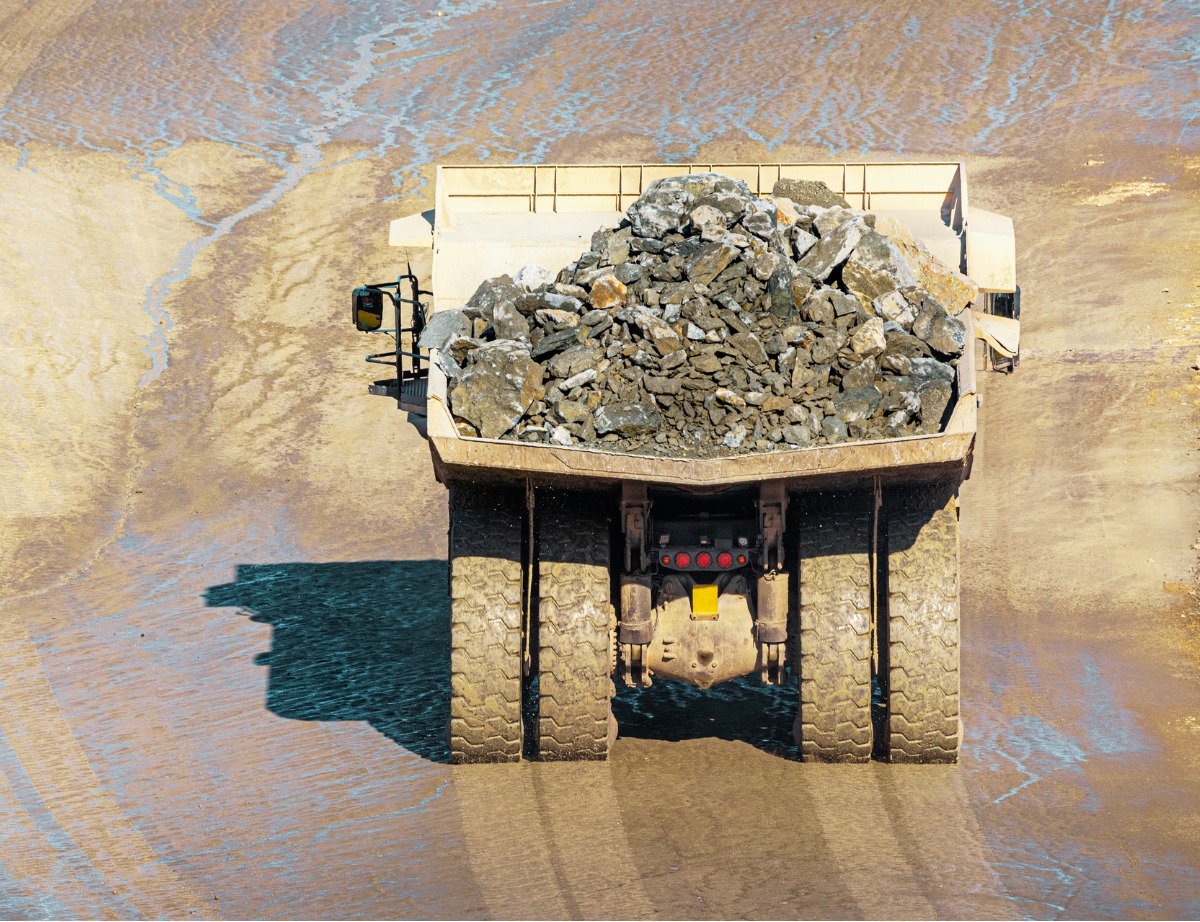
Caleb Koyo: Interesting, Copper and cobalt dominate discussions about Congo's critical minerals. How are changing technologies, from electric vehicles to renewable energy and AI infrastructure, changing the value of those resources?
Junior Badila: Well, technology has always depended on minerals such as copper and cobalt. Today, its growing presence in our daily lives is undeniable. As said earlier, copper is essential for electric vehicles, power grids, renewable-energy systems and data centres. Cobalt remains crucial for high-performance batteries, aerospace and defence technologies.
Current statistics are showing that some manufacturers are reducing the amount of cobalt used in batteries. However, demand remains strong in applications where energy density, safety and durability are essential. The energy transition is therefore not reducing the DRC’s importance. It is expanding.
The challenge for the country is to move beyond exporting raw materials. It must capture more value through local processing, manufacturing, infrastructure capacity, skills development and technological capacity.
Where is the value being lost?
Caleb Koyo: Talking about value, that presents a paradox at the heart of Congo's mining economy: the country is rich in natural resources but remains one of the world's poorer countries. Where, exactly, is that value being lost?
Junior Badila: Great question. Indeed, the DRC's rich mineral resources have not yet generated widespread economic prosperity. Providing historical context is essential here: decades of persistent political instability and regional insecurity have severely hindered the nation's development.
Ongoing activity by armed groups, particularly in eastern Congo, continues to undermine government authority, deter foreign investment and disrupt local economic activity. Additionally, significant value is lost through the export of raw minerals and ongoing illicit trading. A lack of domestic processing capacity, weak infrastructure, energy shortages and governance gaps add to the problem.
However, there is growing political interest in changing this model.
Caleb Koyo: Junior, this political interest also raises questions about governance and how the country's mineral wealth is distributed. Does that pose a problem, or is the bigger issue simply the scale of the mineral wealth Congo has?
Junior Badila: Congo’s mineral wealth is not the problem. I do not support the narrative that the country is “cursed” by its natural resources. Many countries possess immense geological, environmental and demographic wealth. Brazil and South Africa are clear examples. The real issue is how resources have historically been governed, developed and distributed.
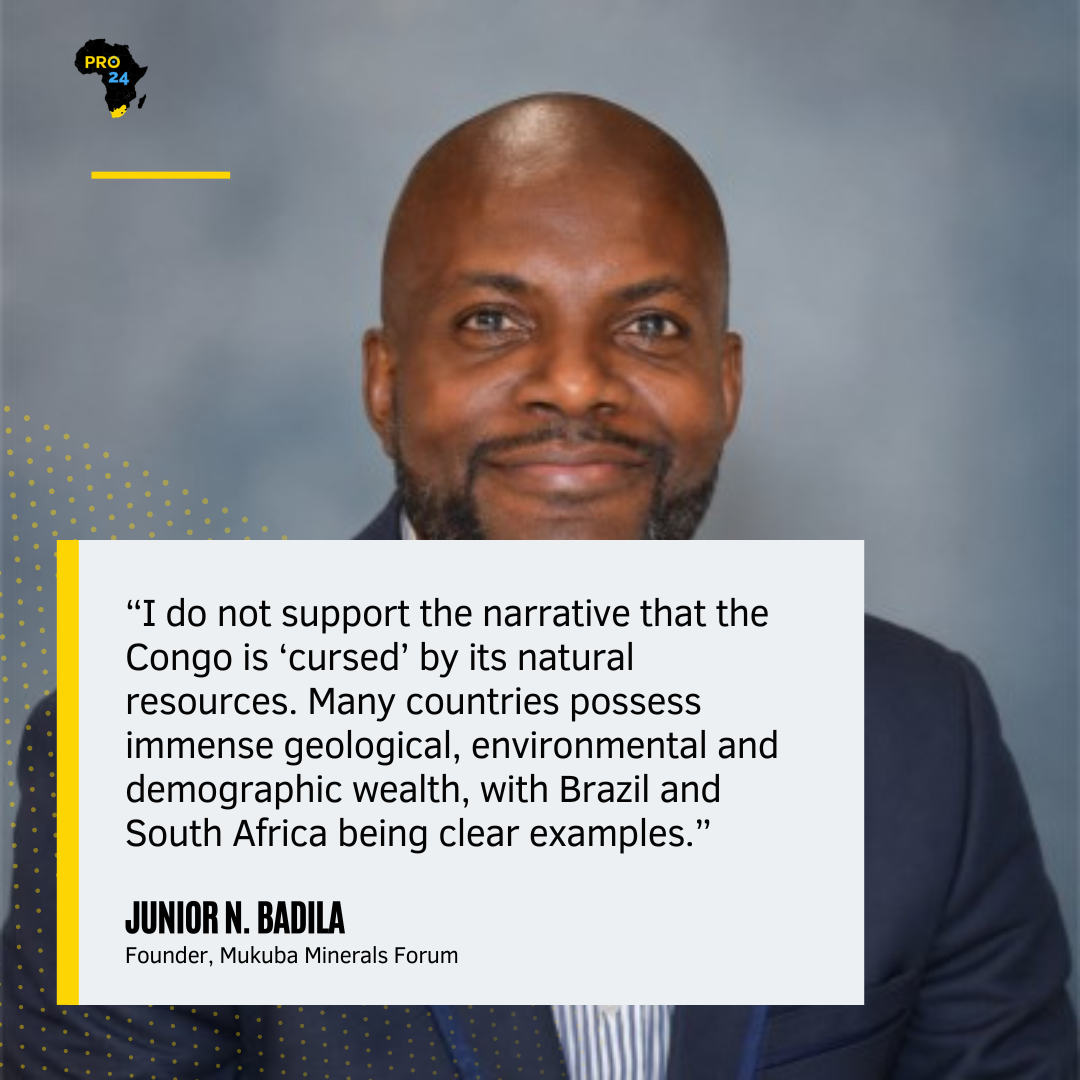
Weak institutions, poor infrastructure, insecurity and unequal benefit-sharing have limited their impact. Minerals can become a foundation for industrialization and prosperity. What matters is transparent governance, local value addition and fair distribution. Congo is not resource cursed. It needs stronger systems to turn its wealth into opportunities for its people.
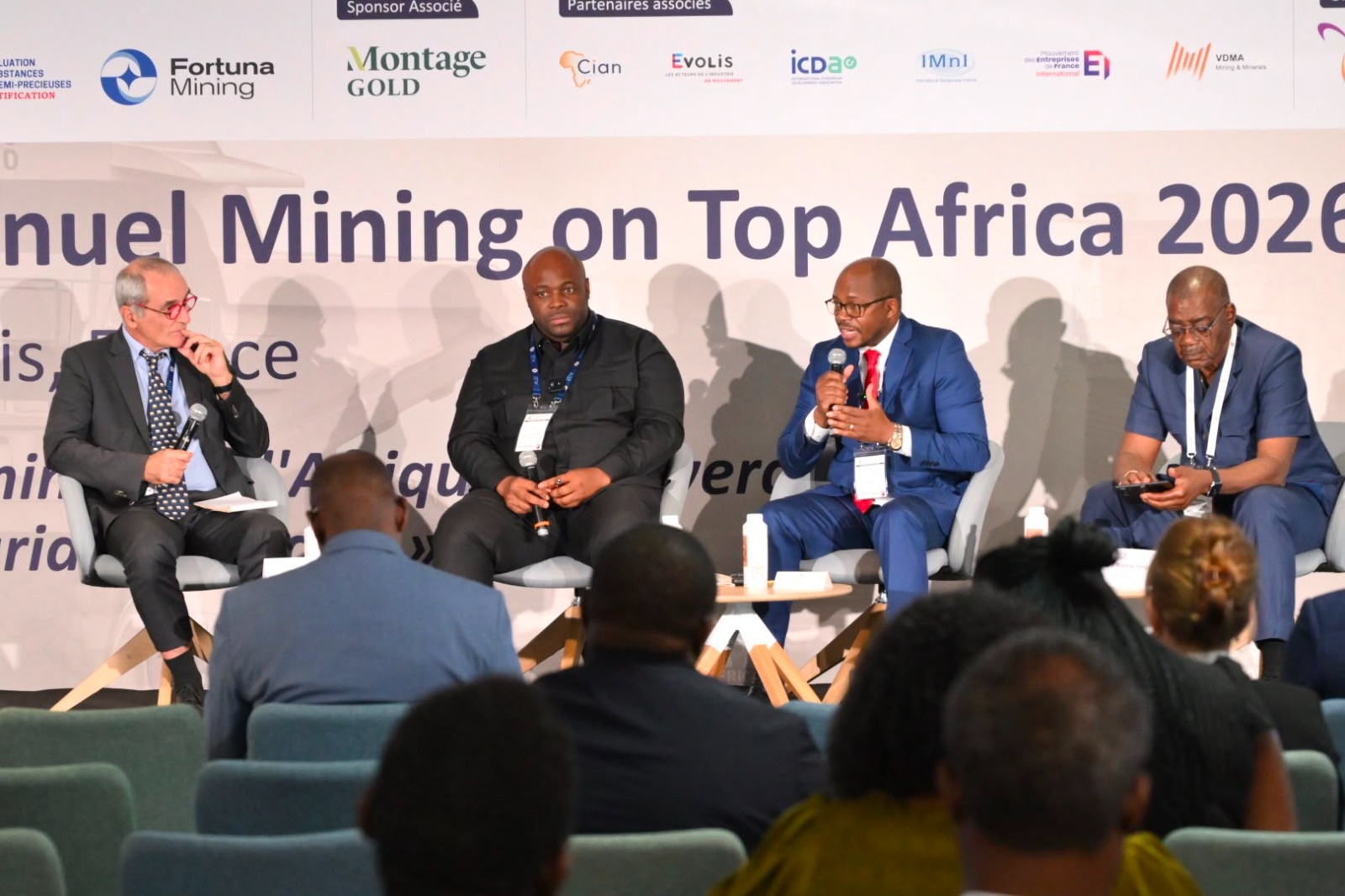
Caleb Koyo: Moving on, much of Congo's mineral production is still exported before significant value is added locally. What prevents the country from moving further into processing, refining and manufacturing?
Junior Badila: The lack of sufficient refining capacity is a major barrier. Only a limited number of companies operated by international mining groups process minerals locally.
Compared with the scale of mineral exports, domestic processing capacity remains inadequate. Also, there are few factors to consider such as : Energy shortages, weak infrastructure and high financing costs also constrain investment.
As a result, much of the value is captured outside the country. The DRC needs greater investment in reliable power, transport and industrial facilities that will enable the country to participate in processing, refining and manufacturing.
How is Congo's mineral story being told?
Caleb Koyo: Great. Could this be partly addressed through better messaging? You have researched how international media portray artisanal cobalt mining. What do you think international coverage of Congo's mineral story gets wrong, particularly when it focuses heavily on exploitation and conflict?
Junior Badila: Good question, Caleb. As you know, this is my area of interest. Through ongoing discussions with fellow journalists and researchers across various platforms, I observe that coverage of the DRC’s mineral sector frequently relies on narratives dominated by conflict and exploitation. These problems are real and should not be ignored. However, they do not represent the entire industry or the whole country.
Many reports focus on weak or inconsistent regulation. True, legal uncertainty is a genuine concern and can discourage investment. But international coverage often overlooks ongoing reforms, responsible operators and local initiatives. It also gives too little attention to public entities that are working to improve their operations, artisanal and small-scale mining, entrepreneurs and communities seeking change.
It is crucial that Congo’s mineral story be reported with greater context and balance. It is not only a story of risk and exploitation. It is also a story of reform, opportunity and growing local ambition.
What does mineral wealth mean for communities?
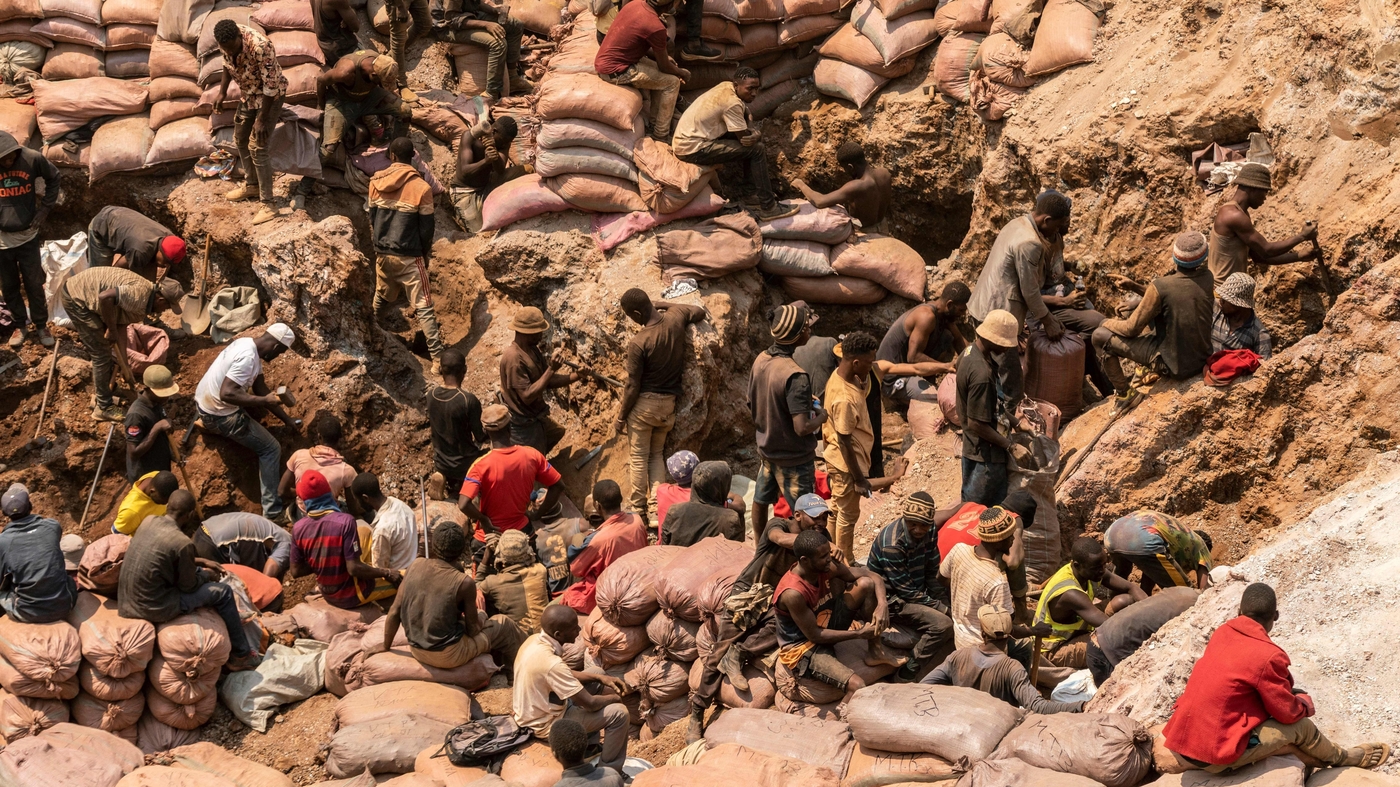
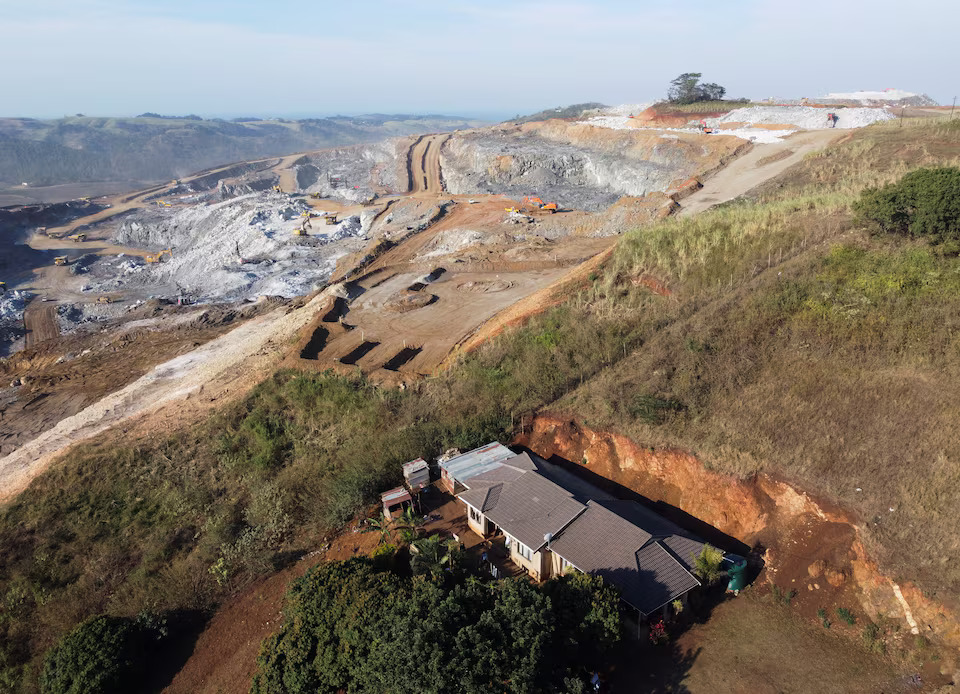
Caleb Koyo: Congratulations on the work you are doing through the Mukuba Minerals Forum and the MiningCongo platform in Europe. What does mineral wealth actually mean for a family living next to a mine? Are communities seeing meaningful economic benefits from the resources beneath their land?
Junior Badila: Thank you. For the past decade, there have been few formal structures within Congo's mining communities. The current Minister of Mines, Louis Watum Kabamba, is a long-standing advocate for artisanal miners' rights.
He is pushing for greater reform and inclusion within mining communities. Efforts are also underway to collaborate with mining firms through the ARSP (Autorité de Régulation de la Sous-traitance dans le secteur Privé) to create more opportunities for local Congolese-owned small businesses within these supply chains.
Mining communities must be recognized as active partners in building a more responsible and inclusive sector. Several corporate social responsibility programmes are under way in mining provinces. These include initiatives in Lualaba and around the Kibali gold mine in Ituri, operated by Barrick.
Progress remains uneven, but these efforts are contributing to change.
Can Africa capture more of the value?
Caleb Koyo: Let's now turn to the global energy transition. It is often presented as a major opportunity for Africa. But could it also reproduce the same pattern in which Africa supplies the raw materials while other countries capture most of the value?
Junior Badila: Yes, that risk is very real. We are witnessing this situation happening. Africa could remain a supplier of raw materials while other countries capture most of the value. That’s the reason we are reframing that “mining alone will not deliver meaningful industrial transformation.”
The greatest value lies in refining, manufacturing, technology and services. A prominent illustration of an alternative strategy for African mineral resource governance is the DRC–Zambia battery initiative, representing one of the finest examples of regional cooperation on the continent, signed in 2022. It aims to develop a regional value chain for electric-vehicle batteries and clean energy. I’ve read the piece of work, and it emphasizes on a cross-border Special Economic Zone.
It is intended to support the production of battery precursors, batteries and, eventually, electric vehicles. Here, the DRC brings major cobalt and copper resources. Zambia contributes copper, industrial experience and regional infrastructure. If fully implemented, it could create jobs, strengthen local industries and retain more mineral value in Africa.
What should change by 2035?
Caleb Koyo: If Congo manages its mineral opportunity properly over the next decade, what should be visibly different in the lives of ordinary Congolese people by 2035?
Junior Badila: The DR Congo has a population of more than 100 million people. Despite its immense mineral wealth. Yet poverty remains widespread. The first measure of progress should be a decline in unemployment.
This is particularly important for the country’s large and predominantly young population. Also, mineral revenues should expand access to quality education and technical training. They should support healthcare, infrastructure and essential public services.
Numerous investors raise concerns about pervasive corruption. Consequently, curbing it through enhanced public sector performance and competitive remuneration is just as critical. That includes best management of public treasures.
The real success of the mining sector should not be measured only by production and exports but also through jobs created, poverty reduced and opportunities delivered to Congolese people.
Moving Ahead
Congo's challenge is bigger than what lies beneath its soil. It is whether the country can turn its mineral wealth into jobs, businesses, infrastructure and lasting economic gains for its people.
But Congo is not navigating that challenge alone.
For years, China has been a dominant force in the country's mining sector. Now, as demand for critical minerals grows, the United States and other Western powers are taking a closer interest. In Part Two, we examine what this growing geopolitical competition means for Congo, and whether Kinshasa can use global demand for its minerals to negotiate a better deal.
To be featured in The Next 54 by AfricaPro24, a showcase of young Africans, innovators, founders, creators, researchers and changemakers shaping the continent’s future, email info@africapro24.com. Catch up with Junior Nsimba Badila on LinkedIn.


Comments (0)
No comments yet. Be the first to share your thoughts!